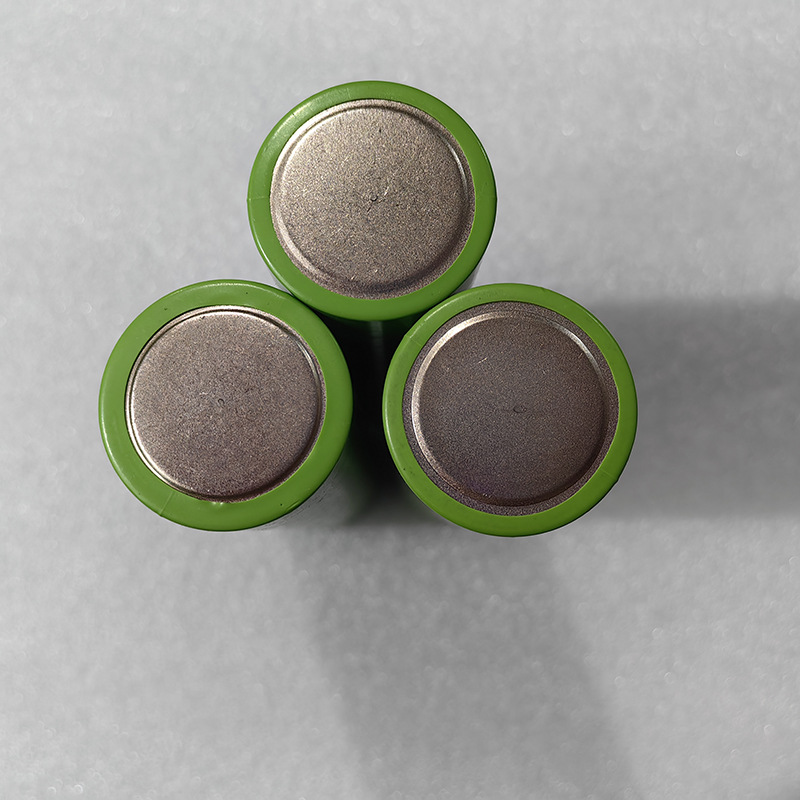
High Safety LFP Cylindrical Battery | CNS BATTERY
In the evolving landscape of energy storage and electric mobility, the demand for High Safety LFP Cylindrical Battery solutions has reached a critical juncture. Engineers and technical procurement specialists worldwide are prioritizing thermal stability and mechanical integrity over marginal gains in energy density. At CNS BATTERY, we understand that safety is not merely a feature but the foundational prerequisite for any viable lithium-ion application. This article provides a deep technical拆解 (breakdown) of our cylindrical LiFePO4 cells, focusing on the intrinsic safety mechanisms, rigorous testing protocols, and regional compliance standards required for global deployment.
The Intrinsic Safety of LFP Chemistry
The core of our safety proposition lies in the lithium iron phosphate (LiFePO4) chemistry. Unlike nickel-cobalt-aluminum (NCA) or nickel-manganese-cobalt (NMC) variants, LFP features a robust olivine crystal structure. The strong phosphorus-oxygen (P-O) bonds within the cathode material significantly reduce the likelihood of oxygen release during thermal abuse. This chemical stability raises the thermal runaway threshold, making the High Safety LFP Cylindrical Battery inherently resistant to combustion even under extreme conditions.
For engineering teams designing battery packs for industrial AGVs, home energy storage, or light electric vehicles, this translates to a reduced need for complex thermal management systems. However, chemistry alone is insufficient. The cell format plays an equally pivotal role in safety performance.
Cylindrical Form Factor: Mechanical and Thermal Advantages
The cylindrical design offers distinct engineering advantages over prismatic or pouch cells. The rigid steel casing provides superior mechanical protection against external impact and compression, crucial for applications subject to vibration and shock. Furthermore, the cylindrical geometry allows for uniform heat distribution. During high-rate discharge or charge cycles, heat dissipates radially from the center of the jelly roll to the casing, minimizing hot spots that could trigger internal short circuits.
At CNS BATTERY, our cylindrical cells are manufactured with precision-wound electrodes and advanced separator coatings that enhance electrolyte wettability while maintaining shutdown properties at elevated temperatures. You can explore the detailed specifications of our cell formats at https://cnsbattery.com/products-3/cylindrical-battery-cell/. This combination of robust casing and stable chemistry creates a multi-layered safety barrier.
Rigorous Testing Protocols and Global Compliance
Safety claims must be validated through standardized testing. For overseas engineers and procurement officers, understanding the compliance landscape is essential for market access. Our High Safety LFP Cylindrical Battery undergoes a comprehensive suite of tests aligned with international regulations.
1. Transportation Safety: UN38.3
All lithium batteries shipped internationally must comply with UN38.3 standards. This includes eight specific tests simulating conditions encountered during transport, such as altitude simulation, thermal cycling, vibration, shock, external short circuit, impact, overcharge, and forced discharge. CNS BATTERY ensures every batch passes these criteria to prevent thermal events during logistics, whether by air or sea.
2. Industrial Safety: IEC 62619 and UL Standards
For market entry into Europe and North America, adherence to application-specific safety standards is mandatory.
- European Union: The EN 62619 standard (aligned with IEC 62619) specifies safety requirements for secondary lithium cells and batteries used in industrial applications. It focuses on preventing catastrophic failure under foreseeable misuse.
- United States: UL standards, such as UL 1642 for cells and UL 1973 for stationary storage, are often required by insurance companies and local authorities.
Our testing regime includes thermal abuse tests where cells are heated to temperatures exceeding 150°C without ignition, and nail penetration tests that simulate internal short circuits. The ability to withstand these tests without fire or explosion is a key differentiator for CNS BATTERY products.
Technical Barriers and Regional Adaptability
The technical barrier to producing high-safety cylindrical cells lies in consistency and quality control. Variations in electrode coating density or separator alignment can compromise safety. As established battery manufacturers in China, we leverage automated production lines to ensure micron-level precision in cell assembly. This consistency is vital for meeting the stringent quality expectations of Western markets.
Regional adaptability extends beyond electrical specs. It involves understanding local regulatory nuances. For instance, certain US states have specific recycling and disposal regulations for lithium batteries, while the EU’s new Battery Regulation emphasizes carbon footprint and due diligence. CNS BATTERY designs its supply chain and production processes to align with these emerging geo-regulatory requirements, ensuring smooth customs clearance and market acceptance.
For partners seeking to verify our manufacturing capabilities and compliance documentation, we invite you to review our credentials as leading https://cnsbattery.com/battery-manufacturers-in-china/. Transparency in manufacturing is as critical as the product itself.
Conclusion
The transition to safer energy storage solutions requires a partner who understands both the electrochemistry and the regulatory environment. The High Safety LFP Cylindrical Battery from CNS BATTERY represents a convergence of stable chemistry, robust mechanical design, and rigorous international compliance. Whether you are targeting the renewable energy sector in Germany or the electric mobility market in California, our cells are engineered to meet and exceed local safety standards.
We encourage technical teams to request samples and detailed test reports. For direct communication with our engineering support team, please visit https://cnsbattery.com/contact-2/. Safety is a journey, and with CNS BATTERY, you are equipped with the most reliable power source for the road ahead.