Buy Wholesale 21700 Li-ion Cells Bulk: High Energy Density Performance for Battery Pack Applications
The global demand for high-performance lithium-ion batteries continues to surge across electric vehicles, energy storage systems, and portable power applications. Among various cell formats, the 21700 Li-ion cell has emerged as the industry standard for balancing energy density, thermal management, and cost efficiency. For engineers and technical procurement professionals seeking reliable wholesale suppliers, understanding the technical specifications and sourcing considerations becomes critical for successful battery pack integration.
Why Choose 21700 Li-ion Cells for Your Battery Pack Projects
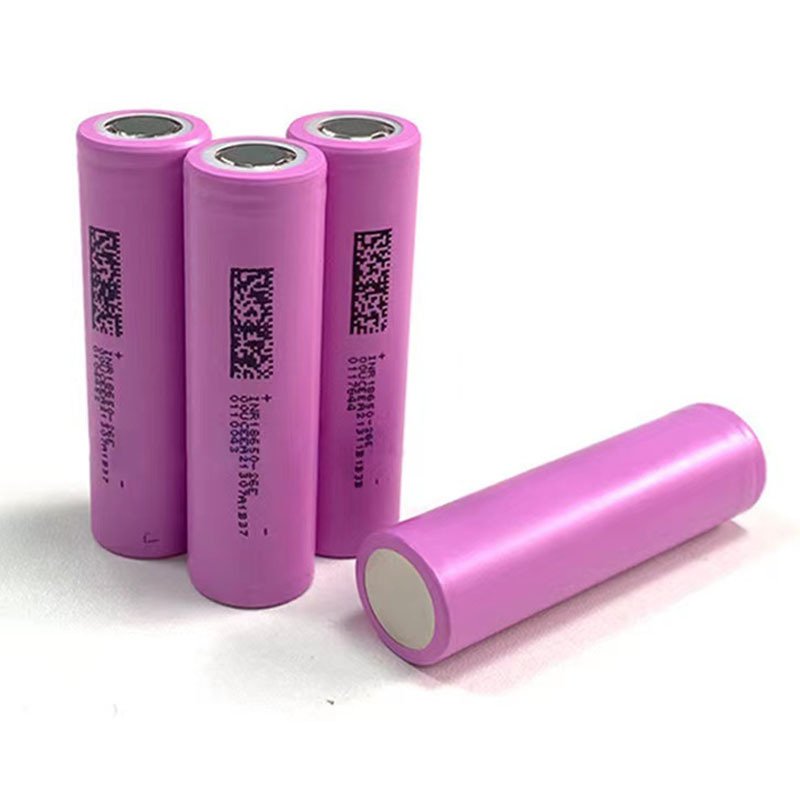
The 21700 cylindrical cell format represents a significant evolution from the earlier 18650 standard. With dimensions of 21mm in diameter and 70mm in length, these cells offer approximately 30-50% more capacity while maintaining compatible manufacturing processes. The increased volume allows for greater electrode surface area, directly translating to higher energy density ranging from 250-300 Wh/kg depending on chemistry composition.
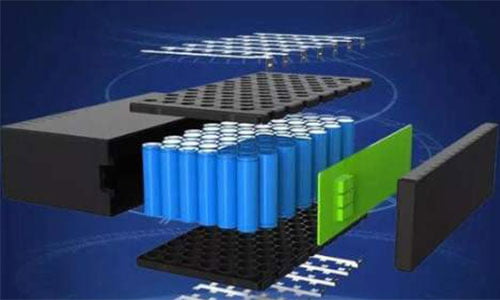
For battery pack designers, the 21700 format provides optimal thermal dissipation characteristics. The cylindrical geometry enables efficient heat distribution across the pack assembly, reducing hot spot formation during high-discharge operations. This thermal advantage becomes particularly important in EV applications where sustained power delivery and safety remain paramount concerns.
Technical Specifications and Performance Metrics
When evaluating wholesale 21700 cells, several key parameters determine suitability for specific applications:
Capacity Range: Modern 21700 cells typically offer capacities between 4000-5000 mAh. High-nickel NCM (Nickel-Cobalt-Manganese) chemistries push toward the upper range, while LFP (Lithium Iron Phosphate) variants provide enhanced cycle life at slightly lower energy density.
Discharge Rates: Continuous discharge capabilities vary from 1C to 5C depending on cell design. Power-oriented cells prioritize discharge rates for tools and EVs, while energy-focused cells maximize capacity for stationary storage applications.
Cycle Life: Quality 21700 cells deliver 1000-2000 full cycles at 80% depth of discharge. LFP chemistry extends this to 3000+ cycles, making it ideal for stationary energy storage where longevity outweighs weight considerations.
Operating Temperature: Standard cells operate between -20°C to 60°C, with specialized variants extending ranges for extreme environment applications.
Wholesale Sourcing Considerations for Technical Buyers
Procuring 21700 cells in bulk requires careful supplier evaluation beyond simple pricing comparisons. Technical procurement teams must verify manufacturing certifications, quality control processes, and supply chain transparency. ISO 9001, IATF 16949, and UN 38.3 transportation certifications represent minimum requirements for reputable manufacturers.
Cell matching and grading consistency directly impacts battery pack performance and longevity. Reputable suppliers provide detailed test reports including capacity distribution, internal resistance variation, and self-discharge rates across production batches. This data enables accurate pack design and BMS (Battery Management System) configuration.
For engineers evaluating potential suppliers, requesting sample cells for independent testing before bulk orders remains essential practice. Performance validation under actual operating conditions reveals real-world characteristics that specification sheets may not fully capture.
Manufacturing Quality and Supply Chain Reliability
China has established itself as the global hub for lithium-ion cell manufacturing, accounting for over 70% of worldwide production capacity. The concentration of raw material processing, component manufacturing, and cell assembly creates significant supply chain advantages. However, this concentration also requires careful supplier vetting to ensure quality consistency.
Leading manufacturers implement automated production lines with real-time quality monitoring systems. These systems track electrode coating thickness, winding tension, electrolyte filling accuracy, and formation cycling parameters. Traceability systems enable tracking individual cells back to specific production batches, facilitating quality investigations when necessary.
For international buyers, understanding lead times, minimum order quantities, and logistics capabilities becomes crucial for project planning. Established suppliers maintain inventory buffers and multiple shipping options to accommodate urgent requirements while maintaining cost efficiency for planned orders.
Integration Support and Technical Partnership
Beyond product supply, value-added services differentiate premium wholesale partners. Technical support during pack design phases prevents costly redesigns and optimization delays. Manufacturers offering cell modeling data, thermal characteristics, and integration guidelines accelerate development timelines significantly.
Warranty terms and after-sales support structures protect long-term project investments. Comprehensive warranty coverage addressing capacity fade, manufacturing defects, and performance guarantees demonstrates manufacturer confidence in product quality. Clear claim procedures and responsive technical teams minimize downtime during issue resolution.
For detailed technical consultations and wholesale pricing inquiries, professional teams are available through the official contact page to discuss specific project requirements and customization options.
Application-Specific Cell Selection Guidelines
Different applications demand optimized cell characteristics. Electric vehicle projects prioritize high discharge rates and thermal stability, requiring cells with robust separator materials and advanced electrolyte formulations. Stationary energy storage systems benefit from LFP chemistry’s extended cycle life and enhanced safety characteristics, accepting the weight penalty for long-term cost savings.
Portable power applications balance energy density with discharge capabilities, often selecting NCM variants for optimal weight-to-capacity ratios. Power tool manufacturers require cells supporting 10C+ discharge rates while maintaining reasonable cycle life under demanding usage patterns.
Understanding application requirements enables precise cell selection, avoiding over-specification costs while ensuring performance requirements are met throughout product lifecycle.
Quality Assurance and Testing Protocols
Comprehensive testing protocols validate cell performance before shipment. Standard testing includes capacity verification, internal resistance measurement, self-discharge rate assessment, and safety testing under abuse conditions. Advanced suppliers provide additional characterization data including impedance spectroscopy, thermal runaway thresholds, and aging prediction models.
Third-party certification from recognized testing laboratories provides independent validation of manufacturer claims. UL, CE, UN 38.3, and IEC certifications demonstrate compliance with international safety and performance standards, facilitating market access across different regions.
For comprehensive product specifications and available cell variants, technical teams can review detailed information through the cylindrical battery cell product catalog to identify optimal solutions for specific applications.
Cost Optimization Without Compromising Quality
Wholesale purchasing enables significant cost reductions through volume pricing and optimized logistics. However, cost optimization should never compromise safety or performance requirements. Understanding total cost of ownership, including warranty claims, replacement costs, and system efficiency impacts, provides accurate economic comparisons beyond initial purchase price.
Long-term supplier relationships often yield additional benefits including priority allocation during supply constraints, customized specifications, and collaborative development opportunities. These partnerships create mutual value beyond transactional relationships.
For organizations seeking verified manufacturing partners with proven track records, comprehensive information about battery manufacturers in China provides valuable insights into production capabilities and quality standards.
Future Trends and Technology Evolution
The 21700 format continues evolving with silicon-anode integration, solid-state electrolyte development, and advanced manufacturing processes. Next-generation cells promise 400+ Wh/kg energy density while maintaining safety characteristics required for mainstream adoption. Procurement strategies should account for technology transitions, balancing current project needs with future upgrade paths.
Sustainability considerations increasingly influence sourcing decisions. Manufacturers implementing closed-loop recycling programs and renewable energy production demonstrate commitment to environmental responsibility, aligning with corporate sustainability goals and regulatory requirements.
Conclusion
Selecting the right wholesale partner for 21700 Li-ion cells requires balancing technical specifications, quality assurance, supply chain reliability, and total cost considerations. For engineers and procurement professionals, thorough supplier evaluation combined with clear application requirements ensures successful battery pack deployment. The 21700 format’s proven performance across diverse applications makes it the optimal choice for projects demanding high energy density, reliable performance, and scalable manufacturing.
Investing time in supplier qualification and technical validation before bulk purchasing prevents costly issues during production and field deployment. Professional partnerships with established manufacturers provide access to technical expertise, quality assurance, and supply chain stability essential for successful project execution in the competitive battery market landscape.