
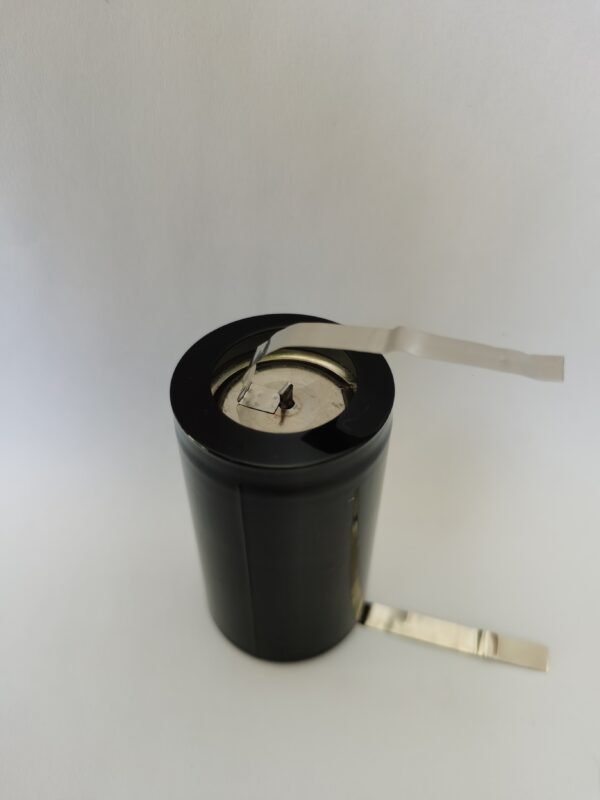
8500mAh High Capacity Li-SOCl₂ 3.6V C Cell: Technical Overview for Industrial Applications
Introduction
The 8500mAh High Capacity Li-SOCl₂ (Lithium Thionyl Chloride) 3.6V C Cell represents a critical power solution for demanding industrial applications requiring long-term, reliable energy storage. As a primary lithium battery technology, Li-SOCl₂ cells deliver exceptional energy density, extended shelf life, and stable voltage output across extreme temperature ranges. This article provides a comprehensive technical analysis for engineers and procurement specialists evaluating high-capacity C-cell options for IoT devices, utility meters, security systems, and remote monitoring equipment.
Core Technical Specifications
The 8500mAh capacity rating positions this C-cell format within the high-energy segment of primary lithium batteries. Operating at a nominal 3.6V output, Li-SOCl₂ chemistry provides approximately twice the voltage of conventional alkaline cells while maintaining consistent discharge characteristics throughout the battery lifecycle. Key specifications include:
- Nominal Voltage: 3.6V
- Rated Capacity: 8500mAh
- Chemistry: Lithium Thionyl Chloride (Li-SOCl₂)
- Cell Format: C Size (26.2mm diameter × 50.0mm height typical)
- Operating Temperature: -55°C to +85°C
- Self-Discharge Rate: <1% per year at ambient temperature
Li-SOCl₂ Chemistry Fundamentals
Understanding the underlying electrochemical principles is essential for proper application engineering. Li-SOCl₂ batteries employ lithium metal as the anode and thionyl chloride as both cathode active material and electrolyte solvent. The discharge reaction produces lithium chloride, sulfur, and sulfur dioxide as byproducts.
This chemistry delivers several distinct advantages:
Energy Density: Li-SOCl₂ cells achieve energy densities exceeding 500 Wh/kg, significantly outperforming alternative primary battery technologies. This makes them ideal for space-constrained installations where battery replacement is impractical.
Voltage Stability: The flat discharge curve maintains voltage above 3.0V for approximately 90% of the discharge cycle, ensuring consistent performance for voltage-sensitive electronics without requiring complex regulation circuitry.
Long Shelf Life: Annual self-discharge rates below 1% enable storage periods exceeding 10 years without significant capacity degradation, reducing inventory management complexity for large-scale deployments.
Application Considerations for Engineering Teams
When integrating 8500mAh Li-SOCl₂ C cells into system designs, several engineering factors require careful evaluation:
Current Draw Limitations: Li-SOCl₂ chemistry exhibits moderate pulse current capability but is optimized for low-to-moderate continuous discharge applications. Typical continuous current ratings range from 50mA to 150mA depending on specific cell construction and operating temperature. For high-pulse applications, consider hybrid designs incorporating supercapacitors or alternative chemistry combinations.
Temperature Performance: While rated for operation from -55°C to +85°C, capacity availability decreases at temperature extremes. At -40°C, approximately 60-70% of room temperature capacity remains accessible. System designers should account for reduced capacity in cold environment deployments.
Voltage Delay Phenomenon: Extended storage periods may result in initial voltage depression upon first load application, known as voltage delay. This typically resolves within seconds to minutes under load. Applications requiring immediate full voltage availability should incorporate pre-conditioning protocols or specify low-delay cell variants.
Procurement and Quality Assurance Guidelines
For technical procurement specialists, establishing appropriate vendor qualification criteria ensures consistent battery performance across production batches:
Certification Requirements: Verify compliance with relevant safety standards including UL, IEC 60086-4, and UN 38.3 transportation regulations. Documentation should include batch-specific test reports confirming capacity, impedance, and self-discharge characteristics.
Manufacturing Consistency: Request statistical process control data demonstrating capacity distribution within specified tolerances. Variations exceeding ±5% from nominal 8500mAh rating may indicate quality control issues affecting long-term reliability.
Traceability: Ensure complete lot traceability from raw material sourcing through final testing. This facilitates root cause analysis should field failures occur and supports warranty claim processing.
For detailed product specifications and technical documentation, visit our primary battery product portfolio. Our engineering team provides application-specific recommendations based on discharge profiles, environmental conditions, and lifecycle requirements.
Total Cost of Ownership Analysis
While unit cost for Li-SOCl₂ cells exceeds alkaline or zinc-carbon alternatives, total cost of ownership often favors lithium primary technology in demanding applications. Consider the following factors:
- Replacement Frequency: 10+ year service life eliminates multiple battery change cycles
- Labor Costs: Remote or inaccessible installations incur significant maintenance expenses per service visit
- System Reliability: Consistent voltage output reduces electronic component stress and failure rates
- Inventory Simplification: Extended shelf life reduces obsolescence risk and warehousing costs
Conclusion
The 8500mAh High Capacity Li-SOCl₂ 3.6V C Cell delivers proven performance for industrial applications demanding reliable, long-duration power sources. Proper application engineering, combined with qualified supplier selection, ensures optimal system performance throughout the product lifecycle. Technical teams should evaluate discharge profiles, environmental conditions, and total cost implications when specifying battery solutions for mission-critical deployments.
For technical consultations, specification sheets, or custom battery solutions, contact our engineering support team at CNS Battery Contact. Our specialists provide application engineering support from prototype development through volume production.
