
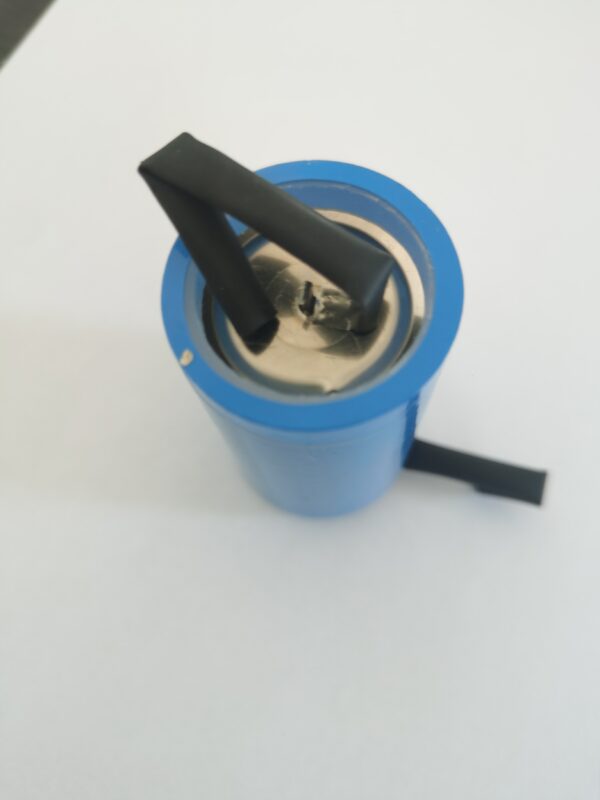
5000mAh High Capacity Li-SO₂ C Size Battery: Technical Analysis for Industrial Applications
In the evolving landscape of primary battery technology, the 5000mAh High Capacity Li-SO₂ C Size Battery represents a critical power solution for demanding industrial, military, and remote monitoring applications. Lithium sulfur dioxide (Li-SO₂) chemistry delivers exceptional performance characteristics that distinguish it from other lithium primary battery systems, particularly in extreme temperature environments and high-drain scenarios. This technical analysis examines the core specifications, electrochemical principles, and application considerations essential for engineers and technical procurement professionals evaluating this battery technology.
Electrochemical Foundation and Voltage Characteristics
Li-SO₂ batteries operate on a lithium anode and sulfur dioxide cathode electrochemical system, producing a nominal voltage of 3.0V per cell. The discharge reaction follows the equation: 2Li + 2SO₂ → Li₂S₂O₄ (lithium dithionite). This chemistry delivers a remarkably flat discharge curve throughout approximately 90% of the capacity range, ensuring stable voltage delivery to sensitive electronic loads.
The 5000mAh capacity rating for C-size Li-SO₂ cells is typically measured at low discharge rates (0.5-1mA) at 20°C ambient temperature. Actual delivered capacity varies based on discharge current, temperature, and cut-off voltage specifications. Engineers should note that capacity decreases at higher discharge rates due to polarization effects, though Li-SO₂ chemistry maintains superior rate capability compared to many alternative primary lithium systems.
Temperature Performance and Environmental Resilience
One of the most compelling advantages of Li-SO₂ C-size batteries is their exceptional operating temperature range, typically spanning from -55°C to +70°C. This wide thermal tolerance makes them ideal for:
- Outdoor monitoring equipment in extreme climates
- Military and aerospace applications
- Downhole drilling instrumentation
- Cold-chain logistics tracking devices
The liquid cathode structure (sulfur dioxide serves as both cathode active material and electrolyte solvent) enables consistent ionic conductivity even at sub-zero temperatures where aqueous electrolyte systems would freeze. At elevated temperatures, the sealed cell construction prevents electrolyte evaporation while maintaining safe internal pressure levels.
Capacity Optimization and Discharge Characteristics
The 5000mAh capacity specification for C-size Li-SO₂ batteries represents a balance between energy density and power delivery capability. Key discharge parameters include:
- Standard continuous current: 100-500mA depending on cell design
- Maximum pulse current: Up to 1.5A for brief durations
- Cut-off voltage: Typically 2.0V for most applications
- Self-discharge rate: Less than 2% per year at 20°C storage
The energy density of Li-SO₂ C-size cells reaches approximately 280-320 Wh/kg, providing substantial runtime advantages over alkaline and zinc-carbon alternatives. For applications requiring extended deployment without maintenance, this capacity-to-weight ratio proves critical for system design optimization.
Safety Considerations and Handling Protocols
Li-SO₂ batteries contain pressurized sulfur dioxide gas, requiring specific safety protocols during handling, storage, and disposal. Key safety considerations include:
- Pressure management: Cells incorporate pressure-relief vents to prevent catastrophic failure under abuse conditions
- Short-circuit protection: External circuit design should prevent sustained short circuits that could generate excessive heat
- Temperature limits: Avoid exposure above 85°C to prevent pressure buildup beyond design specifications
- Disposal compliance: Follow local regulations for lithium primary battery disposal; do not incinerate
Proper storage conditions (10-30°C, relative humidity below 60%) maximize shelf life, which typically exceeds 10 years for quality Li-SO₂ cells when stored under recommended conditions.
Application-Specific Selection Criteria
Technical purchasers should evaluate Li-SO₂ C-size batteries against these application requirements:
- Load profile analysis: Match continuous and pulse current demands to cell specifications
- Temperature exposure: Verify operating range aligns with environmental conditions
- Runtime calculations: Factor in capacity derating for actual discharge rates and temperatures
- Regulatory compliance: Ensure cells meet relevant transportation and safety standards (UN38.3, IEC, UL)
- Supply chain reliability: Partner with manufacturers offering consistent quality and technical support
For comprehensive technical documentation and application engineering support, visit our primary battery product portfolio. Our engineering team provides customized solutions for specialized requirements including extended temperature ranges, custom terminations, and battery pack integration.
Quality Verification and Testing Standards
Reputable Li-SO₂ battery manufacturers implement rigorous quality control protocols including:
- Capacity verification: 100% testing at specified discharge rates
- Voltage screening: Open-circuit voltage validation before shipment
- Leak testing: Helium mass spectrometry for seal integrity
- Performance validation: Random sample testing across temperature extremes
- Traceability: Batch-level documentation for quality assurance
Technical purchasers should request test reports and certification documentation to verify cell performance matches specifications. Third-party testing validation provides additional confidence for critical applications.
Conclusion
The 5000mAh High Capacity Li-SO₂ C Size Battery delivers proven performance for demanding primary power applications requiring reliable energy delivery across extreme environmental conditions. Understanding the electrochemical characteristics, capacity derating factors, and safety protocols enables engineers to optimize system design while technical purchasers can establish appropriate supplier qualification criteria.
For detailed specifications, custom configuration options, and direct technical consultation, contact our battery engineering team at https://cnsbattery.com/primary-battery-contact-us/. Our specialists support application evaluation, prototype sampling, and volume procurement to ensure your power system meets performance and reliability requirements.
