

46800 LFP Price Drop Forecast – 2026 Update
The global lithium battery industry is witnessing a transformative shift as 46800 LFP battery cells emerge as a cost-effective solution for energy storage and electric vehicle applications. As we progress through 2026, market dynamics indicate a significant price correction trajectory that B2B buyers and manufacturers must understand for strategic procurement decisions.
Market Overview: Why 46800 LFP Matters in 2026
The 46800 cylindrical cell format—measuring 46mm in diameter and 80mm in height—represents a substantial evolution from previous 21700 designs. When paired with Lithium Iron Phosphate (LFP) chemistry, this configuration delivers enhanced thermal stability, extended cycle life exceeding 6,000 charges, and reduced dependency on critical minerals like cobalt and nickel.
Current market intelligence from leading battery manufacturers in China suggests that 46800 LFP cell prices are projected to decline 8-12% throughout 2026, driven by manufacturing scale optimization and raw material cost stabilization. This forecast positions Chinese production facilities as competitive sourcing destinations for global procurement teams evaluating total cost of ownership.
Technical Advantages Driving Cost Reduction
Dry Electrode Technology Integration
The adoption of dry electrode coating processes eliminates solvent-based manufacturing steps, reducing production energy consumption by approximately 30%. This technological advancement, pioneered by industry leaders and now accessible through established battery manufacturers in China, directly translates to lower per-kWh production costs without compromising cell integrity or performance metrics.
Cell-to-Pack Architecture Efficiency
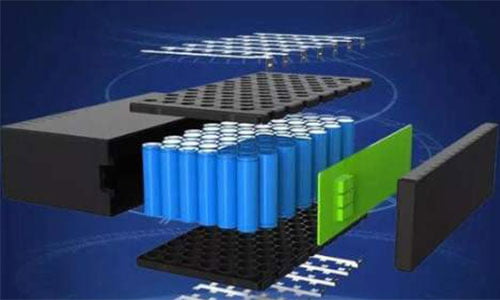
46800 LFP cells enable simplified module design through Cell-to-Pack (CTP) integration. By removing intermediate module components, manufacturers achieve 15-18% improvement in volumetric energy density while reducing assembly labor costs. For commercial buyers, this means lower system-level pricing even when cell-level costs remain stable.
Material Cost Stabilization
According to UBS commodity research published in early 2026, lithium carbonate prices are forecast at approximately $26,000/t CIF, representing moderate stabilization compared to previous volatility. Iron and phosphate—the core LFP cathode materials—remain abundant and geographically diversified, insulating 46800 LFP production from supply chain disruptions affecting nickel-based chemistries.
Regional Manufacturing Landscape
China continues to dominate 46800 LFP production capacity, accounting for over 75% of global manufacturing output. This concentration offers B2B purchasers several advantages:
- Established supply chains with vertically integrated material sourcing
- Mature quality control systems meeting international certification standards (UN 38.3, IEC 62619)
- Competitive pricing through economies of scale and manufacturing automation
For buyers seeking reliable cylindrical battery cell suppliers, understanding regional manufacturing capabilities becomes essential for long-term procurement strategy development.
Price Forecast Breakdown: Q1-Q4 2026
| Quarter | Estimated Price Range (USD/kWh) | Key Market Drivers |
|---|---|---|
| Q1 2026 | $68-72 | Post-holiday inventory adjustment |
| Q2 2026 | $65-69 | Production capacity expansion |
| Q3 2026 | $63-67 | Raw material cost optimization |
| Q4 2026 | $61-65 | Year-end manufacturing efficiency gains |
Note: Prices reflect ex-works China manufacturing costs for standard-grade 46800 LFP cells with minimum order quantities of 10,000 units.
Procurement Considerations for B2B Buyers
Quality Verification Protocols
When evaluating 46800 LFP suppliers, international buyers should request:
- Third-party testing certificates from recognized laboratories (TÜV, UL, SGS)
- Cycle life validation data demonstrating performance at specified C-rates and temperature ranges
- Warranty terms covering capacity retention guarantees over defined usage periods
Supply Chain Due Diligence
Geopolitical factors and trade regulations require careful assessment of manufacturing origins. Established partners maintain transparent documentation regarding material sourcing, labor practices, and environmental compliance—critical factors for corporations managing ESG reporting requirements.
Total Cost of Ownership Analysis
Beyond unit pricing, sophisticated buyers evaluate:
- Logistics costs including freight, insurance, and import duties
- Inventory carrying costs based on lead times and minimum order quantities
- Technical support availability for integration and troubleshooting
Strategic Recommendations
For energy storage system integrators and EV manufacturers planning 2026-2027 procurement cycles, we recommend:
- Lock in Q2-Q3 pricing through forward contracts to capture anticipated mid-year cost reductions
- Diversify supplier base across multiple Chinese manufacturing regions to mitigate concentration risk
- Invest in technical qualification early in the procurement process to avoid integration delays
Organizations seeking detailed specifications or customized 46800 LFP solutions should initiate dialogue with qualified manufacturers well ahead of project timelines. Professional contact channels enable direct communication with technical teams capable of addressing application-specific requirements.
Conclusion
The 46800 LFP battery segment presents compelling value propositions for commercial buyers navigating 2026’s evolving energy storage landscape. Price reductions driven by manufacturing maturity, technological improvements, and raw material stabilization create favorable conditions for strategic procurement. However, successful implementation requires thorough supplier evaluation, technical validation, and comprehensive total cost analysis.
As the industry continues maturing, buyers who establish relationships with reputable manufacturers now will secure competitive advantages in pricing, allocation priority, and technical support throughout the remainder of 2026 and beyond. The convergence of cost reduction and performance enhancement makes 46800 LFP cells an increasingly attractive option for stationary storage, commercial EV, and industrial applications worldwide.
This analysis reflects market conditions as of March 2026. Prices and forecasts are subject to change based on raw material fluctuations, manufacturing capacity adjustments, and geopolitical developments. B2B buyers should conduct independent verification before making procurement commitments.

