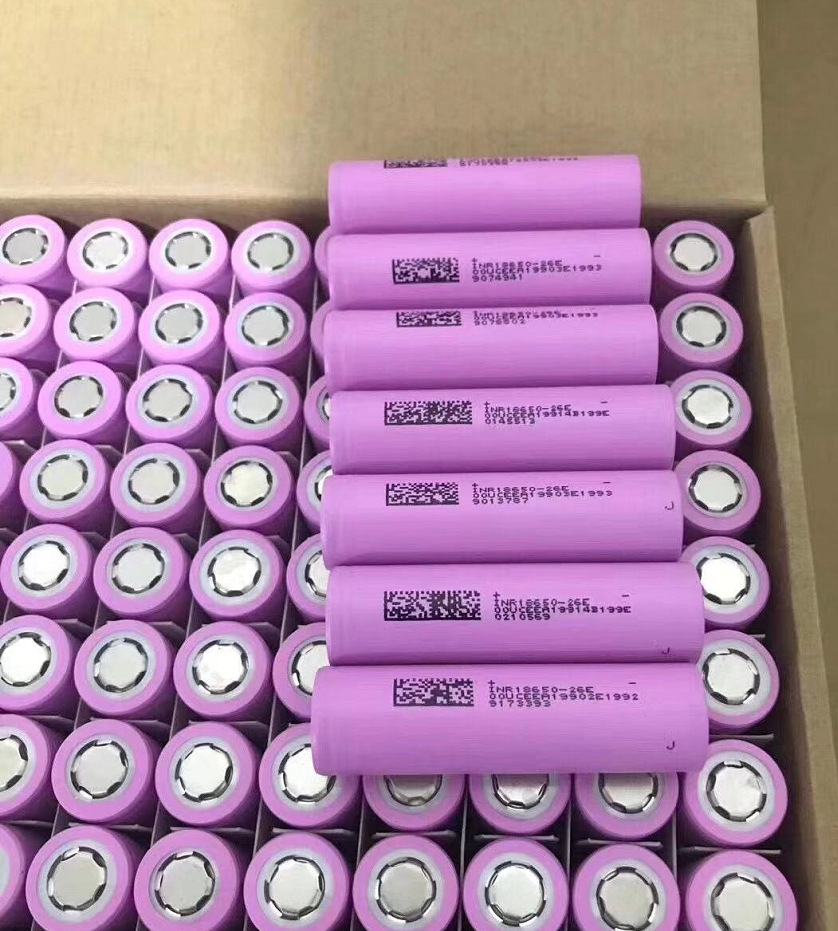
46150 LFP Battery Cells for EV OEMs: High Discharge Rate & Low Self Discharge Wholesale Bulk Low Price
The electric vehicle (EV) landscape in 2026 demands more than just range; it requires a delicate balance of performance, safety, and cost-efficiency. For Original Equipment Manufacturers (OEMs) and system integrators, the choice of battery cell is the foundational decision that dictates vehicle dynamics and total cost of ownership. As the industry matures, the focus has shifted towards Lithium Iron Phosphate (LFP) chemistry due to its inherent stability and longevity. Within this segment, the 46150 LFP Battery Cell has emerged as a strategic form factor, offering a compelling alternative for high-performance applications requiring high discharge rates and low self-discharge characteristics at a wholesale bulk low price.
Technical Advantage: High Discharge Rate Capability
One of the primary concerns for EV OEMs adopting LFP chemistry has historically been power density compared to NCM alternatives. However, advancements in cell engineering have significantly narrowed this gap. The 46150 cylindrical form factor is designed to optimize the surface-area-to-volume ratio, facilitating better thermal management during high-current operations.
For EVs, a high discharge rate is critical for acceleration, regenerative braking efficiency, and handling peak power demands during uphill climbs or overtaking. The 46150 LFP cells utilize advanced electrode coating technologies and optimized electrolyte formulations to reduce internal resistance. This allows for sustained high-current output without excessive heat generation, which is a common degradation factor in lithium-ion batteries. By maintaining lower operating temperatures during high-load scenarios, these cells preserve cycle life while delivering the power required for modern electric powertrains. For detailed specifications on cylindrical performance metrics, OEMs can review the technical data available at https://cnsbattery.com/products-3/cylindrical-battery-cell/.
Operational Efficiency: Low Self-Discharge Characteristics
Logistics and inventory management are significant cost centers for global EV manufacturers. Battery cells often spend considerable time in storage before integration into packs. Low self-discharge is therefore a critical parameter. High self-discharge rates can lead to capacity loss before the vehicle even reaches the customer, necessitating pre-delivery charging and increasing the risk of deep discharge damage.
The 46150 LFP cells are engineered with high-purity materials and robust separator technologies that minimize internal chemical reactions during idle periods. This ensures that cells retain their state of charge (SOC) over extended storage durations. For OEMs managing large supply chains, this translates to reduced maintenance costs and guaranteed performance upon assembly. Furthermore, low self-discharge contributes to the long-term health of the vehicle battery, ensuring that parked vehicles do not suffer from significant range loss over weeks of inactivity.
Economic Viability: Wholesale Bulk and Pricing Strategy
Cost remains the biggest barrier to EV adoption. The “Bulk Low Price” aspect of the 46150 offering is not merely about unit cost but about total system economics. LFP chemistry eliminates the need for expensive cobalt and nickel, stabilizing raw material costs against market volatility.
When procuring at a wholesale level, OEMs benefit from economies of scale. Direct engagement with established manufacturers ensures consistent quality and supply chain transparency. In the current market, partnering with reliable battery manufacturers in China is essential for securing competitive pricing without compromising on quality standards. The manufacturing infrastructure in China has matured to support high-volume production with rigorous quality control, making it a hub for cost-effective battery solutions. For insights into sourcing strategies and manufacturer verification, visit https://cnsbattery.com/battery-manufacturers-in-china/.
Compliance, Compatibility, and Procurement Points
For international OEMs, compliance is non-negotiable. Any battery cell integrated into an EV must meet stringent safety and transport regulations, including UN38.3 for transportation, IEC 62619 for industrial safety, and relevant automotive standards like ISO 26262 for functional safety. The 46150 LFP cells are designed to align with these global compliance frameworks, ensuring smooth customs clearance and integration into certified vehicle platforms.
Compatibility is another key consideration. The 46150 dimensions offer flexibility in pack design, allowing engineers to optimize module density while maintaining structural integrity. When evaluating suppliers, B2B buyers should prioritize vendors who offer comprehensive technical support, including BMS (Battery Management System) compatibility data and thermal modeling assistance.
Conclusion
The transition to electric mobility requires partners who understand the nuances of cell chemistry, manufacturing scalability, and cost optimization. The 46150 LFP Battery Cell represents a optimized solution for EV OEMs seeking high discharge performance and low self-discharge reliability at a competitive wholesale price point. By leveraging advanced cylindrical technology and stable LFP chemistry, manufacturers can deliver vehicles that meet the rigorous demands of the 2026 market.
For OEMs ready to scale production or explore custom cell configurations, direct communication with the supply team is the next step. Secure your supply chain with verified partners who prioritize quality and compliance. To initiate a bulk inquiry or discuss specific technical requirements, please contact us directly at https://cnsbattery.com/contact-2/. Together, we can power the next generation of electric mobility with reliable, efficient, and cost-effective energy storage solutions.