
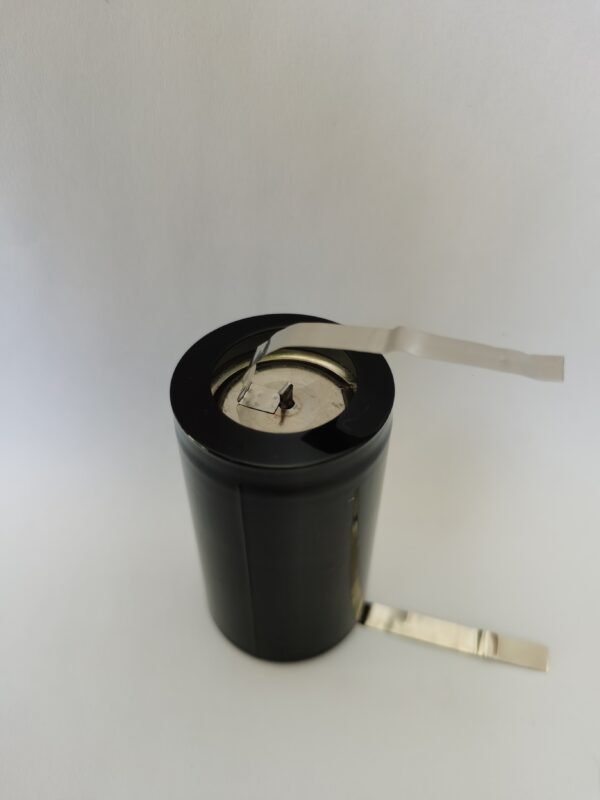
-40°C to +85°C Wide Temperature Li-MnO₂ Battery: Technical Excellence for Extreme Environment Applications
Introduction
In today’s demanding industrial landscape, reliable power solutions must perform consistently across extreme temperature ranges. The -40°C to +85°C Wide Temperature Li-MnO₂ Battery represents a critical advancement in primary lithium battery technology, specifically engineered for applications where conventional batteries fail. For B2B clients operating in aerospace, oil & gas, military, and IoT sectors, understanding the technical capabilities of these wide-temperature lithium manganese dioxide cells is essential for optimal system design and long-term reliability.
Core Technology Overview
Li-MnO₂ (Lithium Manganese Dioxide) primary batteries utilize metallic lithium as the anode and manganese dioxide as the cathode, delivering a nominal voltage of 3.0V. The wide-temperature variant employs specialized electrolyte formulations and electrode engineering to maintain performance from -40°C to +85°C, far exceeding standard commercial battery specifications of -20°C to +60°C.
Key Technical Specifications
| Parameter | Standard Li-MnO₂ | Wide Temperature Li-MnO₂ |
|---|---|---|
| Operating Temperature | -20°C to +60°C | -40°C to +85°C |
| Nominal Voltage | 3.0V | 3.0V |
| Self-Discharge Rate | <2%/year | <1.5%/year |
| Storage Life | 10 years | 10+ years |
| Energy Density | 280 Wh/kg | 270-285 Wh/kg |
Critical Performance Advantages
1. Extreme Temperature Stability
The extended temperature range is achieved through proprietary electrolyte additives that prevent freezing at low temperatures and thermal decomposition at high temperatures. At -40°C, these batteries retain approximately 70-80% of room-temperature capacity, while maintaining structural integrity up to +85°C without significant voltage depression or safety concerns.
2. Low Self-Discharge Characteristics
Wide-temperature Li-MnO₂ batteries feature annual self-discharge rates below 1.5%, enabling 10+ year shelf life. This makes them ideal for backup power systems, emergency equipment, and remote installations where battery replacement is costly or impractical.
3. High Pulse Current Capability
Modern wide-temperature designs support pulse discharge currents up to 3C for brief periods, accommodating wireless communication modules, GPS trackers, and sensor networks requiring periodic high-current bursts.
Industrial Application Scenarios
Oil & Gas Exploration
Downhole drilling equipment, pipeline monitoring systems, and remote wellhead sensors operate in environments ranging from arctic cold to desert heat. Wide-temperature Li-MnO₂ batteries provide reliable power without frequent maintenance visits.
Military & Defense
Tactical equipment, communication devices, and surveillance systems must function in diverse climates. The -40°C to +85°C range ensures operational readiness from polar regions to equatorial zones.
Industrial IoT & Smart Metering
Remote sensors, utility meters, and asset tracking devices deployed outdoors face seasonal temperature extremes. Long-life wide-temperature batteries reduce total cost of ownership by eliminating mid-life battery replacements.
Aerospace & Aviation
Aircraft black boxes, emergency locator transmitters, and satellite components require batteries that withstand temperature cycling during flight operations and storage.
Selection Criteria for B2B Buyers
When evaluating wide-temperature Li-MnO₂ battery suppliers, consider the following factors:
Certification Compliance: Ensure batteries meet UL, IEC, UN38.3, and RoHS standards for your target markets.
Customization Capability: Leading manufacturers offer tailored solutions including custom terminals, tab configurations, and form factors to match your device architecture.
Quality Assurance: Request batch testing reports, capacity consistency data, and temperature performance curves before commitment.
Supply Chain Stability: Verify manufacturer production capacity and lead times to avoid project delays.
For detailed product specifications and technical consultation, visit our primary battery product page to explore available configurations and capacity options.
Technical Implementation Considerations
Battery Management
While Li-MnO₂ primary batteries do not require complex BMS systems like rechargeable lithium-ion cells, implementing basic voltage monitoring and low-battery warnings extends system reliability. Design circuits to operate efficiently across the full 2.0V-3.3V discharge curve.
Storage Recommendations
Store batteries at 15°C-25°C with 50% relative humidity. Avoid temperature extremes during warehousing to preserve the 10+ year shelf life specification.
Safety Protocols
Although Li-MnO₂ chemistry is inherently stable, follow proper handling procedures. Do not expose to temperatures exceeding +85°C, short-circuit terminals, or attempt recharging.
Conclusion
The -40°C to +85°C Wide Temperature Li-MnO₂ Battery delivers unmatched reliability for extreme environment applications. With superior temperature tolerance, minimal self-discharge, and decade-long service life, these primary lithium cells reduce maintenance costs while ensuring continuous operation in the world’s harshest conditions.
For engineering support, custom specifications, or volume pricing inquiries, contact our technical team through our primary battery contact page. Our specialists provide application-specific recommendations to optimize your power system design.
Technical excellence meets operational reliability. Choose wide-temperature Li-MnO₂ batteries for mission-critical applications where failure is not an option.
