40150 LFP Wholesale Supplier from China: Guaranteed Extended Warranty for Power Tools OEMs
The global power tools industry is experiencing a significant shift toward lithium-based energy solutions, with LiFePO4 (LFP) chemistry emerging as the preferred choice for professional-grade equipment. Among various cell formats, the 40150 cylindrical LFP battery has gained substantial traction for its optimal balance of capacity, discharge rates, and thermal stability. For OEMs seeking reliable wholesale suppliers from China, understanding warranty structures, compliance requirements, and technical specifications is critical to securing long-term partnerships.
Why 40150 LFP Cells for Power Tools?
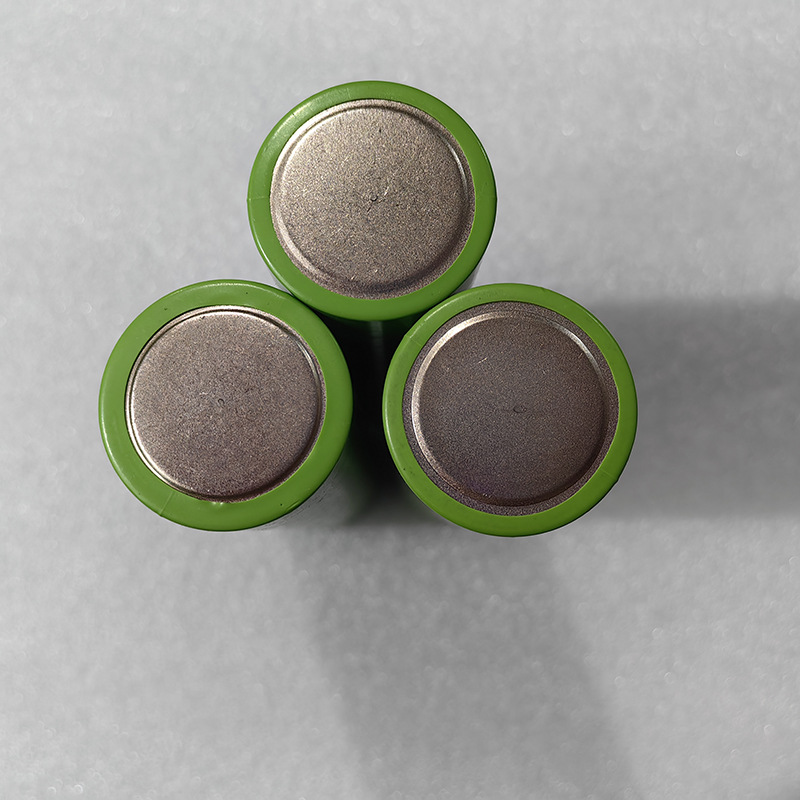
The 40150 designation refers to a cylindrical cell with 40mm diameter and 150mm length. This form factor delivers several advantages for power tool applications:
Technical Specifications:
- Nominal Voltage: 3.2V (LFP chemistry)
- Typical Capacity: 12,000-16,000mAh
- Continuous Discharge: 3C-5C (suitable for high-drain tools)
- Cycle Life: 2,000-3,500 cycles at 80% DOD
- Operating Temperature: -20°C to 60°C
Compared to NMC alternatives, LFP chemistry offers superior thermal stability and reduced thermal runaway risk—essential for tools operating in demanding environments. The cylindrical format provides mechanical robustness and simplified pack assembly for manufacturers.
Extended Warranty: What OEMs Should Expect
A guaranteed extended warranty distinguishes reputable suppliers from commodity vendors. Professional power tool OEMs should negotiate warranty terms covering:
Standard Coverage:
- Minimum 3-year warranty on cell capacity retention (≥80%)
- Defect replacement within 12 months of shipment
- Technical support for pack integration issues
- Batch traceability documentation
Premium Warranty Extensions:
Some suppliers offer up to 5-year warranties for verified OEM partners with consistent order volumes. These programs typically include periodic performance testing and failure analysis reports. For detailed warranty structures, OEMs should directly engage with manufacturers through official channels like https://cnsbattery.com/contact-2/.
Compliance and Certification Requirements
Exporting battery cells to North American and European markets requires comprehensive certification. Reputable Chinese suppliers should provide:
Mandatory Certifications:
- UN38.3 (Transportation Safety)
- IEC62133 (Cell Safety Standard)
- UL1642/UL2054 (North American Market)
- CE/ROHS (European Compliance)
- REACH (Chemical Regulation)
Industry-Specific Standards:
Power tool manufacturers may require additional certifications such as ISO9001 for quality management and ISO14001 for environmental compliance. Verify that your supplier maintains current certification documents and can provide test reports from recognized laboratories.
Procurement Best Practices for OEMs
1. Sample Validation Protocol
Before committing to bulk orders, request samples for in-house testing. Evaluate capacity consistency, internal resistance variation (should be <5% across batches), and high-rate discharge performance under load conditions matching your tool specifications.
2. Supply Chain Transparency
Establish clear communication channels regarding production capacity, lead times, and raw material sourcing. Reliable suppliers maintain transparent supply chains and can trace cell components back to original material suppliers. Explore verified manufacturer networks at https://cnsbattery.com/battery-manufacturers-in-china/ for additional sourcing options.
3. Quality Control Agreements
Define acceptable quality limits (AQL) for critical parameters including capacity, voltage, impedance, and physical dimensions. Implement incoming quality control (IQC) procedures at your facility and negotiate terms for batch rejection if specifications fall outside agreed tolerances.
4. Logistics and Packaging
LFP cells require specific packaging for international shipment. Ensure supplier compliance with IMDG Code for sea freight and IATA Dangerous Goods Regulations for air transport. Proper packaging prevents damage during transit and maintains regulatory compliance.
Case Study: European Power Tool Manufacturer
A mid-sized German power tool company transitioned from NMC to 40150 LFP cells in 2024. Key outcomes included:
- 40% reduction in warranty claims related to battery failures
- Extended product lifecycle from 2 to 4 years
- Improved safety ratings in independent testing
- 15% cost savings on total battery system
The manufacturer attributed success to thorough supplier vetting, extended warranty negotiations, and comprehensive incoming quality control procedures.
Technical Integration Considerations
BMS Compatibility:
Ensure your battery management system supports LFP voltage profiles (2.5V-3.65V per cell). LFP cells have flatter discharge curves compared to NMC, requiring BMS algorithms optimized for accurate state-of-charge estimation.
Thermal Management:
While LFP chemistry offers superior thermal stability, high-discharge power tool applications still require adequate thermal management. Design pack enclosures with proper ventilation and consider active cooling for professional-grade tools exceeding 500W output.
Cell Matching:
For multi-cell packs, implement strict cell matching procedures. Variations in capacity or internal resistance can lead to premature pack failure. Reputable suppliers provide cells pre-sorted by capacity groups to simplify pack assembly.
Conclusion
The 40150 LFP battery represents a compelling solution for power tool OEMs seeking reliable, safe, and cost-effective energy storage. Success depends on selecting qualified wholesale suppliers with proven track records, comprehensive warranty programs, and full regulatory compliance. For OEMs evaluating cylindrical battery cell options, detailed product specifications are available at https://cnsbattery.com/products-3/cylindrical-battery-cell/.
By prioritizing warranty coverage, certification compliance, and technical compatibility, power tool manufacturers can build sustainable supply chain partnerships that support long-term product quality and customer satisfaction. The Chinese battery manufacturing ecosystem offers significant opportunities for OEMs willing to invest in proper supplier qualification and quality assurance processes.