Optimizing EV Performance with the 40150 LFP Battery Cell from CNS BATTERY
The electric vehicle (EV) landscape in 2026 is defined by a demand for greater safety, extended cycle life, and cost efficiency. While nickel-based chemistries dominate the high-performance segment, Lithium Iron Phosphate (LFP) has solidified its position as the standard for commercial fleets and standard-range passenger vehicles. Within this ecosystem, the cylindrical form factor continues to evolve. The 40150 LFP Battery Cell represents a strategic balance between energy density and thermal management, offering a compelling solution for modern EV pack designs. At CNS BATTERY, we focus on delivering these core components with the reliability required by global OEMs and integrators.
Understanding the 40150 Form Factor and LFP Chemistry
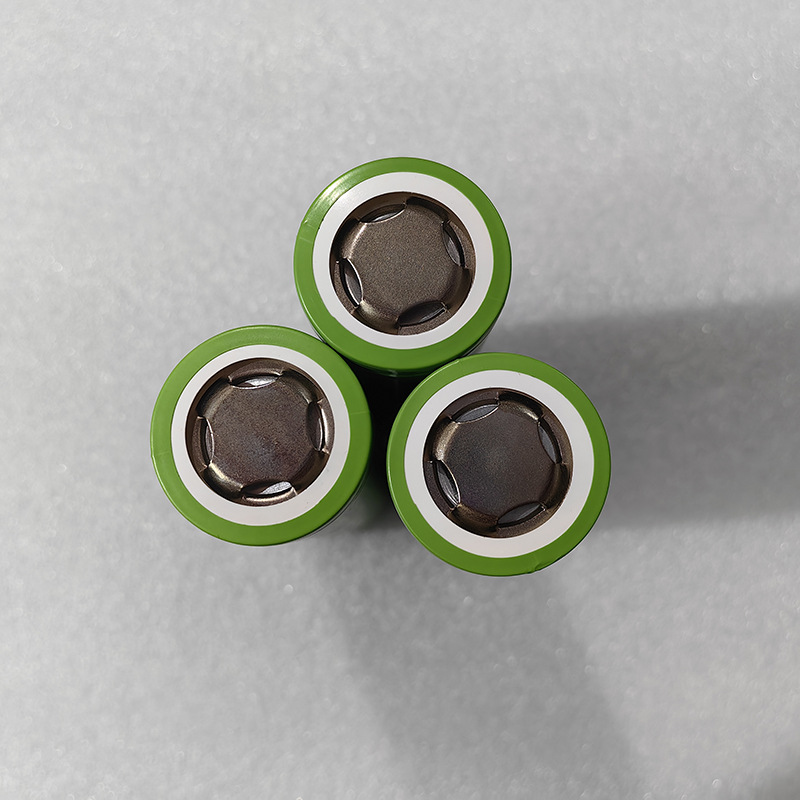
The designation “40150” refers to the physical dimensions of the cylindrical cell: approximately 40mm in diameter and 150mm in height. This larger form factor compared to traditional 18650 or 21700 cells reduces the total number of cells required per pack, simplifying Battery Management System (BMS) complexity and decreasing connection points. Fewer connections mean lower internal resistance and reduced potential failure rates.
Coupled with LFP chemistry, the 40150 cell offers distinct advantages. LFP technology is renowned for its olivine crystal structure, which provides exceptional thermal stability. Unlike NCM (Nickel Cobalt Manganese) chemistries, LFP is less prone to thermal runaway, making it a safer choice for high-capacity EV applications. In terms of longevity, a high-quality 40150 LFP cell typically supports over 3,000 to 5,000 charge cycles at 80% Depth of Discharge (DOD). For commercial EVs operating on tight schedules, this translates to a vehicle lifespan that aligns with the chassis longevity, reducing total cost of ownership (TCO).
EV Integration and Thermal Performance
Integrating 40150 cells into an EV battery pack requires careful thermal design. The larger surface area of the 40150 cell facilitates efficient heat dissipation compared to smaller cylindrical cells, but it also requires robust cooling systems to manage heat generation during fast charging. CNS BATTERY engineers design these cells with optimized electrode density and electrolyte formulations to minimize internal heat generation.
For B2B buyers, the key consideration is pack modularity. The 40150 format allows for flexible module arrangements, supporting both air-cooled and liquid-cooled systems. In recent projects, integrators have utilized this form factor to create compact battery packs for light commercial vehicles and urban electric buses, where safety and space utilization are critical. The mechanical strength of the cylindrical steel casing also contributes to the structural integrity of the battery pack, potentially serving as a structural component in cell-to-pack (CTP) designs.
Procurement Guidelines: Compliance and Compatibility
When sourcing 40150 LFP cells for EV production, overseas buyers must prioritize compliance and consistency. The global regulatory environment for batteries is tightening, with specific requirements for carbon footprint tracking and safety certifications.
- Certifications: Ensure the cells meet international standards such as UN38.3 for transportation safety, IEC 62619 for industrial applications, and UL standards where applicable for the North American market.
- Consistency: Cell-to-cell voltage and capacity consistency is vital for pack longevity. Poor consistency leads to early bottlenecks in the pack, limiting usable capacity. Reputable manufacturers utilize automated grading processes to ensure tight tolerances.
- Supply Chain Transparency: Understanding the origin of raw materials is increasingly important for compliance with regulations like the EU Battery Regulation.
CNS BATTERY operates within a robust manufacturing framework that adheres to these strict quality controls. As one of the leading battery manufacturers in China, we maintain transparency in our supply chain and production processes, ensuring that every cell meets the rigorous demands of international EV projects.
Why Choose CNS BATTERY for Cylindrical Solutions
Selecting the right partner is as critical as selecting the right cell specification. CNS BATTERY specializes in high-performance cylindrical solutions tailored for industrial and automotive applications. Our 40150 LFP Battery Cell is part of a broader portfolio designed to meet diverse energy storage needs.
For technical teams evaluating specific parameters such as continuous discharge rates, internal resistance, and operating temperature ranges, detailed datasheets are essential. You can explore our full range of cylindrical battery cell products online. Our engineering team supports clients from the prototyping phase through to mass production, offering customization options that align with specific pack architectures.
Final Thoughts for B2B Buyers
The shift towards LFP chemistry in the EV sector is not a temporary trend but a long-term structural change driven by economics and safety. The 40150 cell format offers a pragmatic solution for manufacturers looking to optimize pack efficiency without compromising on safety standards. However, the success of any EV project depends on the quality of the core cells and the reliability of the supplier.
When planning your next EV battery procurement, focus on partners who can demonstrate proven track records in cylindrical cell manufacturing and compliance with global standards. CNS BATTERY is committed to supporting global partners with high-quality cells and technical expertise.
For inquiries regarding pricing, sample requests, or technical collaboration, please visit our contact page. Our team is ready to assist you in integrating the 40150 LFP solution into your next-generation electric vehicles.