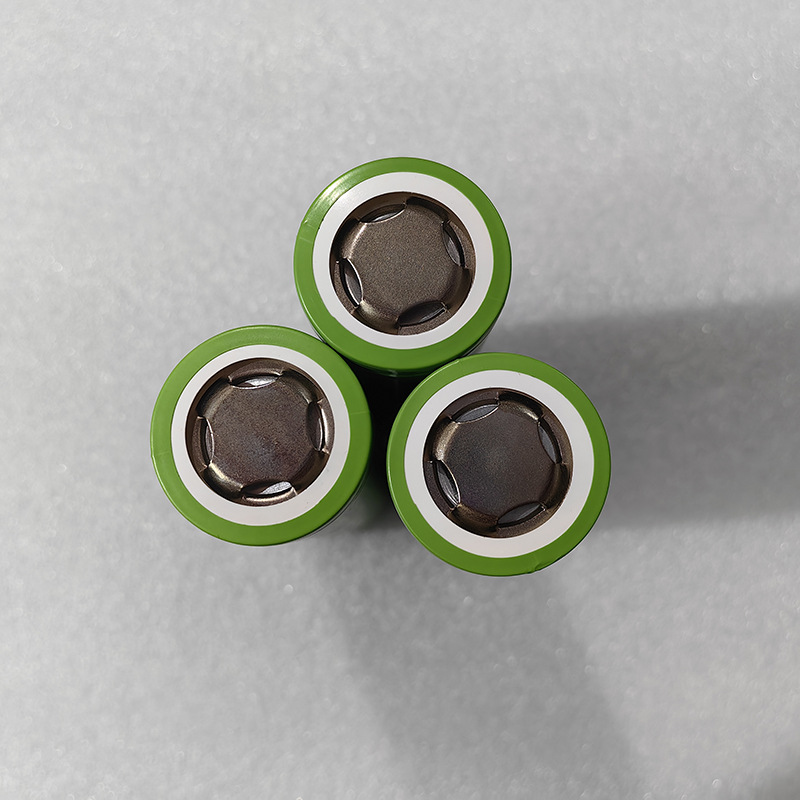
Decoding 40135 LiFePO4: The Technical Blueprint for EV OEMs
In the high-stakes arena of electric vehicle (EV) and energy storage manufacturing, the shift toward Lithium Iron Phosphate (LiFePO4) chemistry is no longer a trend—it is a technical mandate. For global OEMs seeking to balance safety, longevity, and cost-efficiency, the 40135 LiFePO4 cylindrical cell represents a pivotal engineering solution. Unlike the volatile NMC (Nickel Manganese Cobalt) formulations, the 40135 LiFePO4 offers an intrinsic safety profile coupled with an industrial-grade cycle life that exceeds 3,000 cycles.
As a senior battery technology blogger and industry consultant, I have observed that the primary bottleneck for many manufacturers is not just sourcing the cell, but sourcing a cell that adheres to the rigorous testing standards of the EU and North America. This article serves as a technical deep-dive into the 40135 format, analyzing its thermal stability, volumetric energy density trade-offs, and the specific advantages of partnering with a Chinese wholesale supplier who prioritizes global compliance over mere price competition.
Technical Anatomy: Why 40135?
The nomenclature “40135” is a direct reference to the cell’s physical dimensions: 40mm in diameter and 135mm in length. This places it firmly in the “large format” cylindrical category, sitting between the ubiquitous 21700 and the massive 46800 formats.
1. Structural Integrity and Thermal Management
The cylindrical design inherently provides superior mechanical stability compared to pouch cells. The steel (or aluminum) casing acts as a pressure vessel, containing the internal electrochemical reactions. For the 40135, the large surface area facilitates passive cooling, which is critical for LiFePO4 chemistry. While LiFePO4 has a lower nominal voltage (3.2V) compared to NMC (3.6V-3.7V), resulting in a lower volumetric energy density, this is mitigated in the 40135 format by the sheer volume of active material.
2. Safety by Chemistry
The “Olivine” crystal structure of the LiFePO4 cathode is chemically stable. Unlike layered oxide structures (NMC, NCA), the phosphate-oxygen bond does not break down easily during overcharge or thermal runaway conditions. This means that even under abuse testing (nail penetration, overcharge), a 40135 cell will typically vent smoke rather than explode.
Performance Metrics: Beyond the Datasheet
When evaluating a 40135 LiFePO4 Wholesale Supplier, engineers must look beyond the basic capacity figures. Here is a breakdown of the expected performance metrics for a high-grade industrial cell:
| Parameter | Standard Value (Est.) | Technical Significance |
|---|---|---|
| Nominal Voltage | 3.2 V | Lower voltage requires more cells in series for high-voltage packs. |
| Capacity Range | 15Ah – 20Ah | High capacity suitable for energy storage and heavy-duty EVs. |
| Cycle Life | >3000 cycles | Retains >80% capacity after 3000 full discharge cycles. |
| Max Continuous Discharge | 1C – 3C | Suitable for steady power delivery rather than high-drain tools. |
| Operating Temp (Charge) | 0°C to 45°C | Requires Battery Management System (BMS) control in cold climates. |
Note: These values are indicative of industrial-grade performance. Specific OEM requirements may vary.
Rigorous Testing Methodologies for OEM Validation
As a technical procurement specialist, you cannot rely solely on the supplier’s Certificate of Analysis (CoA). You must validate the cells in-house using the following methodologies to ensure they meet the “Guaranteed Competitive Wholesale Price” without sacrificing quality.
1. Cycle Life Testing (The Long Game)
To verify the 3000+ cycle claim, implement a standard IEC 62660-1 test protocol:
- Charge: 0.5C constant current (CC) to 3.65V, then constant voltage (CV) until current drops to 0.05C.
- Discharge: 1C constant current to 2.5V.
- Rest: 30 minutes between cycles.
- Environment: 25°C ± 2°C.
Monitor the capacity retention every 500 cycles. A reputable manufacturer’s cells will exhibit a linear degradation curve without sudden drops.
2. Thermal Abuse Testing
Given the target market for EVs, thermal stability is non-negotiable.
- Heating Test: Place the fully charged cell in an oven. Ramp the temperature from 50°C to 130°C at a rate of 5°C/min. A compliant 40135 cell should not rupture or catch fire.
- Short Circuit Test: Apply a direct short circuit with an external resistance of less than 5mΩ. The cell temperature should rise but must not exceed 150°C.
3. Vibration and Mechanical Stress
Simulate road conditions per UN 38.3 standards. Subject the cell to vibrations of 10Hz to 55Hz with an amplitude of 0.8mm for 90 minutes on each of the three perpendicular axes. Post-test, the cell voltage must not drop by more than 0.1V, and there should be no leakage.
The Supply Chain Advantage: China Sourcing with Global Standards
Sourcing 40135 LiFePO4 directly from a Chinese wholesale supplier presents a significant cost advantage. However, the challenge lies in bridging the gap between Chinese manufacturing costs and Western regulatory requirements.
1. The Cost Structure
Chinese suppliers benefit from vertically integrated supply chains. The proximity to raw material refineries (Lithium, Iron, Phosphate) and the mature electrode manufacturing ecosystem in regions like Zhengzhou allows for a “Guaranteed Competitive Wholesale Price.” This is not achieved through corner-cutting, but through economies of scale.
2. Navigating the Compliance Gap
Many Chinese factories produce cells that meet GB (Guobiao) standards, but global OEMs require UL, IEC, or UN certifications. When selecting a partner, look for manufacturers who explicitly state adherence to ISO 9001 and IATF 16949 standards. These ensure that the quality management system is robust enough to handle the specific tolerances required by automotive clients.
Regional Adaptability: Meeting EU and US Technical Barriers
The true test of a “wholesale supplier” is not just their price list, but their ability to adapt their technology to pass regional technical barriers. This is where many low-cost suppliers fail, and it is the critical differentiator for your project’s success.
1. EU Market: The Safety and Sustainability Mandate
The European market is shifting aggressively towards sustainability and safety.
- UN GTR No. 20: This is the global technical regulation for the safety of rechargeable energy storage systems (REESS) for electric vehicles. Your supplier must be able to provide test reports proving compliance with vibration, mechanical integrity, and electrical safety (protection against overcharge and short circuits).
- Battery Passport (EU Battery Regulation): Starting in 2026, batteries placed on the EU market will require digital passports containing carbon footprint data, recycled content, and due diligence documentation regarding raw materials. A forward-thinking Chinese supplier will already have systems in place to generate this data.
2. US Market: The UL and UN 38.3 Hurdle
For the US market, compliance is binary.
- UL 2580: This standard covers batteries for use in electric vehicles. It is significantly more stringent than general battery standards, focusing on the battery pack level, but the cell data is the foundation.
- UN 38.3: This is mandatory for the transportation of lithium batteries by air or sea. It tests the cell’s ability to withstand simulated high-altitude storage, thermal shock, and impact.
Conclusion: The Strategic Sourcing Imperative
For Electric Vehicle OEMs, the decision to integrate 40135 LiFePO4 cells is a strategic move towards building a safer, longer-lasting, and more cost-competitive product. However, the “Guaranteed Competitive Wholesale Price” is only valuable if the cells clear the high technical hurdles of your target market.
Do not fall into the trap of selecting a supplier based solely on the lowest bid. Instead, prioritize partners who demonstrate a deep understanding of EU Battery Regulations and UL Standards. A supplier who can provide not just the cells, but the comprehensive technical dossier required for your certification process, is the partner who will save you time and money in the long run.
If you are ready to move beyond generic Chinese suppliers and partner with a manufacturer who understands the specific technical and compliance needs of global EV OEMs, we invite you to explore the technical specifications of our industrial-grade cylindrical cells.
Explore our range of Cylindrical Battery Cells engineered for global compliance.
Product Link: Cylindrical Battery Cell
Contact our technical sales team to request a detailed compliance dossier and discuss your specific OEM requirements.
Contact Us: Technical Inquiry
Learn more about partnering with a leading Battery Manufacturer in China.
Manufacturer Overview