40135 LFP Battery – Commercial Energy Storage Guide
The commercial energy storage landscape is undergoing rapid transformation in 2026, with Lithium Iron Phosphate (LFP) cylindrical cells emerging as the preferred choice for large-scale deployments. Among various form factors, the 40135 LFP battery has gained significant traction among engineers and technical procurers seeking optimal balance between energy density, safety, and lifecycle performance. This guide provides a comprehensive technical analysis for B2B stakeholders evaluating 40135 cells for commercial energy storage systems (ESS).
Understanding the 40135 Cell Specification
The designation “40135” refers to the physical dimensions of this cylindrical cell: 40mm diameter and 135mm height. This form factor represents a strategic evolution from traditional 18650 or 21700 cells, offering substantially higher capacity while maintaining manufacturability and thermal management efficiency.
Key Technical Parameters:
- Nominal Capacity: Typically ranges between 12Ah to 15Ah depending on manufacturer specifications
- Nominal Voltage: 3.2V (LFP chemistry standard)
- Energy Density: Approximately 160-180 Wh/kg at cell level
- Cycle Life: 4,000-6,000 cycles at 80% Depth of Discharge (DOD)
- Operating Temperature: -20°C to 60°C (charging: 0°C to 55°C)
- DC Internal Resistance: Below 4.5mΩ at 20% State of Charge (SOC), 3C discharge rate
The low DC internal resistance is particularly critical for commercial ESS applications. When systems experience high discharge demands during peak shaving or frequency regulation, minimal voltage drop ensures consistent power delivery without excessive heat generation.
Why 40135 LFP for Commercial Energy Storage?
1. Enhanced Safety Profile
LFP chemistry inherently offers superior thermal stability compared to NMC or NCA alternatives. The olivine crystal structure of LiFePO₄ provides strong P-O bonds that resist thermal runaway even under abuse conditions. For commercial installations where safety compliance is paramount, 40135 LFP cells meet stringent international standards including UN38.3, IEC 62619, and UL 1973.
2. Optimized Thermal Management
The 40mm diameter enables efficient heat dissipation through standard air or liquid cooling systems. Unlike larger prismatic cells, cylindrical 40135 formats allow uniform thermal distribution across battery packs, reducing hot-spot risks and extending overall system lifespan. This characteristic is essential for containerized ESS deployments in varying climate conditions.
3. Cost-Effectiveness at Scale
With cobalt-free chemistry and mature manufacturing processes, 40135 LFP cells deliver lower cost per kWh compared to alternative chemistries. The standardized form factor also simplifies pack assembly automation, reducing labor costs and quality variance. For projects exceeding 1MWh, these savings compound significantly across the installation lifecycle.
4. Regulatory Compliance for 2026 Markets
Global battery regulations have intensified in 2026. The EU Battery Regulation now mandates battery passports for industrial storage systems above 2kWh, requiring comprehensive documentation of chemical composition, carbon footprint, and manufacturing provenance. Selecting manufacturers with established compliance frameworks ensures smooth market access across Europe, North America, and Asia-Pacific regions.
Integration Considerations for System Designers
When incorporating 40135 cells into commercial ESS architectures, engineers should evaluate several critical factors:
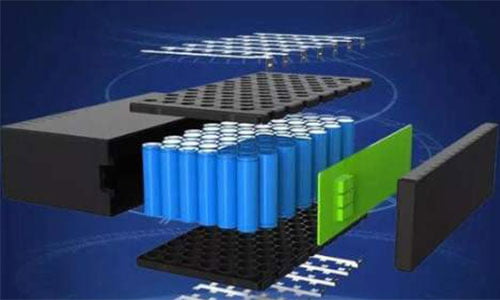
Module Configuration: Standard configurations typically arrange cells in series-parallel combinations achieving 48V, 400V, or 800V system voltages. Proper cell matching (capacity, impedance, voltage) within modules minimizes balancing currents and maximizes usable capacity.
BMS Compatibility: Advanced Battery Management Systems must support LFP’s flat voltage curve (3.2V-3.3V during most discharge). Accurate SOC estimation requires coulomb counting combined with periodic voltage calibration.
Transport Regulations: Per 2026 IATA Dangerous Goods Regulations, lithium battery cells must be transported at maximum 30% State of Charge for air freight. Sea freight offers more flexibility but requires UN-certified packaging and proper hazard labeling.
Quality Verification for Technical Procurers
Due diligence during supplier selection cannot be overstated. Reputable manufacturers provide comprehensive documentation including:
- Third-party test reports from accredited laboratories (TÜV, UL, SGS)
- Production batch traceability systems
- Warranty terms covering capacity retention guarantees
- After-sales technical support infrastructure
For organizations seeking qualified battery manufacturers in China, thorough verification of production capabilities and quality certifications remains essential. Professional procurement teams should request factory audits and sample testing before committing to volume orders.
Conclusion: Strategic Selection for Long-Term Value
The 40135 LFP battery represents a mature, cost-effective solution for commercial energy storage applications spanning grid stabilization, renewable integration, and backup power systems. Its combination of safety, longevity, and regulatory compliance positions it as a strategic choice for projects targeting 10-15 year operational lifespans.
For technical teams evaluating 40135 cylindrical cells or exploring alternative formats, comprehensive product specifications and manufacturer credentials should guide procurement decisions. Established suppliers with proven track records in cylindrical battery cell production offer the reliability necessary for mission-critical energy storage deployments.
Organizations seeking detailed technical consultations or manufacturer verification are encouraged to connect with qualified industry partners. Professional guidance ensures optimal cell selection aligned with specific project requirements, regulatory obligations, and total cost of ownership targets.
For further information on cylindrical battery specifications and manufacturing capabilities, visit our product catalog. Technical teams requiring manufacturer verification can reference this comprehensive guide to battery manufacturers in China. For direct consultations on project-specific requirements, please contact our technical team.
This technical guide reflects industry standards and regulatory requirements as of March 2026. Specifications may vary by manufacturer. Always verify current certifications and compliance documentation before procurement.