
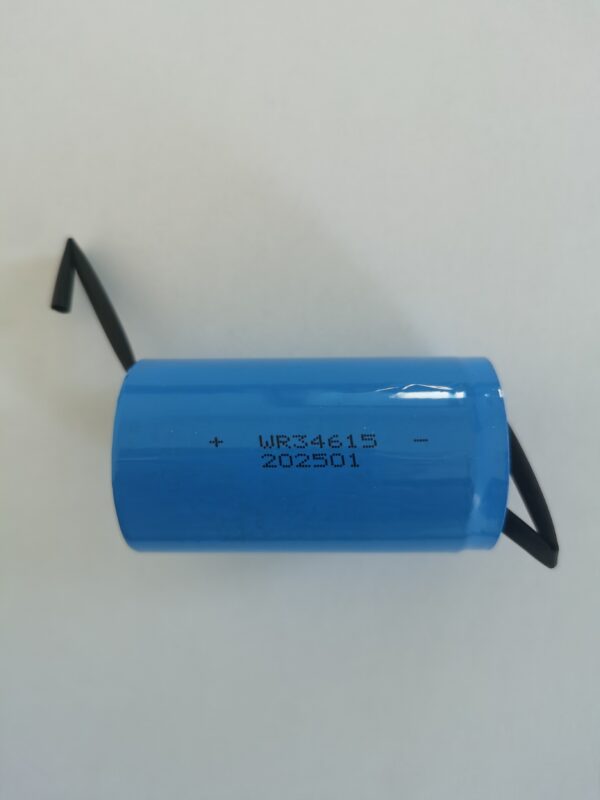
Powering the Extremes: A Technical Guide to -40℃ to +85℃ Wide Temperature Li-MnO₂ Batteries
In the realm of industrial electronics and remote deployment, power reliability is not merely a convenience—it is a critical operational requirement. For engineers and procurement specialists managing assets in harsh environments, standard commercial batteries often fail to meet the rigorous demands of thermal stress. The Li-MnO₂ (Lithium Manganese Dioxide) battery, specifically engineered for a -40℃ to +85℃ operating range, stands as a cornerstone solution for these challenges. This article provides a pragmatic technical overview, compliance framework, and procurement guide for B2B stakeholders seeking robust primary power sources.
Technical Core: Why Li-MnO₂ Excels in Thermal Extremes
The Li-MnO₂ chemistry is distinct from standard alkaline or Li-SOCl₂ options due to its balanced internal resistance and voltage stability. The ability to operate from -40℃ up to +85℃ relies on specific electrolyte formulations and cathode structures.
At low temperatures (-40℃), standard electrolytes tend to increase in viscosity, impeding ion flow and causing voltage lag. Wide-temperature Li-MnO₂ cells utilize low-viscosity organic electrolytes that maintain ionic conductivity even in deep freeze conditions. This ensures that devices such as remote sensors or emergency beacons can deliver the necessary pulse current without significant voltage drop.
Conversely, at high temperatures (+85℃), thermal runaway and accelerated self-discharge are primary concerns. The manganese dioxide cathode is thermally stable, and advanced sealing technologies prevent electrolyte evaporation or leakage. Unlike some lithium chemistries that may vent or degrade rapidly above 60℃, these specialized cells maintain structural integrity and capacity retention, making them suitable for under-the-hood automotive applications or downhole drilling equipment.
Critical Application Scenarios
Understanding where these batteries fit is essential for system design. Based on current industry deployment trends, three key sectors rely heavily on this temperature range:
- Oil & Gas Exploration: Downhole drilling tools and pipeline monitoring sensors often face temperatures exceeding 80℃ near the source, while surface equipment in arctic regions must withstand -40℃ winters. Li-MnO₂ batteries provide the consistent voltage profile required for long-term data logging without frequent maintenance visits.
- Automotive Telematics & TPMS: Tire Pressure Monitoring Systems (TPMS) and vehicle tracking units are exposed to direct sunlight (high heat) and cold starts (low heat). The wide temperature tolerance ensures that safety data is transmitted regardless of seasonal extremes.
- Industrial IoT & Smart Metering: Remote utility meters installed in unregulated environments require a power source that will not fail during peak summer heatwaves or winter freezes. The low self-discharge rate of Li-MnO₂ supports operational lifespans of 5 to 10 years.
Compliance and Safety Standards
For overseas B2B transactions, regulatory compliance is non-negotiable. When sourcing wide-temperature Li-MnO₂ batteries, buyers must verify the following certifications to ensure smooth customs clearance and liability protection:
- UN38.3: This is the mandatory standard for the safe transport of lithium batteries. It verifies that the cells have passed tests for altitude simulation, thermal cycling, vibration, and external short circuit. Given the wide temperature rating, thermal testing within UN38.3 is particularly critical.
- IEC 60086: This international standard specifies the dimensions, electrical performance, and safety of primary batteries. Compliance ensures interchangeability and performance consistency.
- RoHS & REACH: For electronics exported to Europe and North America, batteries must be free of hazardous substances like mercury, cadmium, and lead.
- UL Recognition: While more common for battery packs, individual cell UL recognition adds a layer of safety assurance for high-liability applications.
Procurement Checklist for B2B Buyers
To mitigate supply chain risks and ensure product quality, procurement managers should focus on these practical points:
- Pulse Current Capability: Verify the maximum pulse current (e.g., 100mA for 10 seconds) at -40℃. Many standard cells claim the temperature range but fail to deliver power at the extremes.
- Self-Discharge Rate: Look for specifications indicating less than 1% self-discharge per year at ambient temperature. This is crucial for long-shelf-life inventory and long-deployment cycles.
- Leakage Proof Design: Ensure the manufacturer uses laser welding or advanced crimping seals to prevent electrolyte leakage, which can damage expensive host devices.
- Traceability: Request batch numbers and test reports. Reliable suppliers provide full traceability from raw materials to finished cells.
Conclusion
Selecting the right power source for extreme environments is a strategic decision that impacts product reliability and brand reputation. The -40℃ to +85℃ Li-MnO₂ battery offers a proven, safe, and efficient solution for industries operating beyond standard conditions. By prioritizing compliance, verifying technical specs, and partnering with reputable manufacturers, businesses can ensure uninterrupted operation in the world’s harshest climates.
For detailed specifications on our wide-temperature primary battery series or to discuss custom engineering solutions, please visit our product page at https://cnsbattery.com/primary-battery/. Our technical team is ready to assist with compliance documentation and sample testing. To initiate a direct inquiry or request a quote, contact us here: https://cnsbattery.com/primary-battery-contact-us/.
