

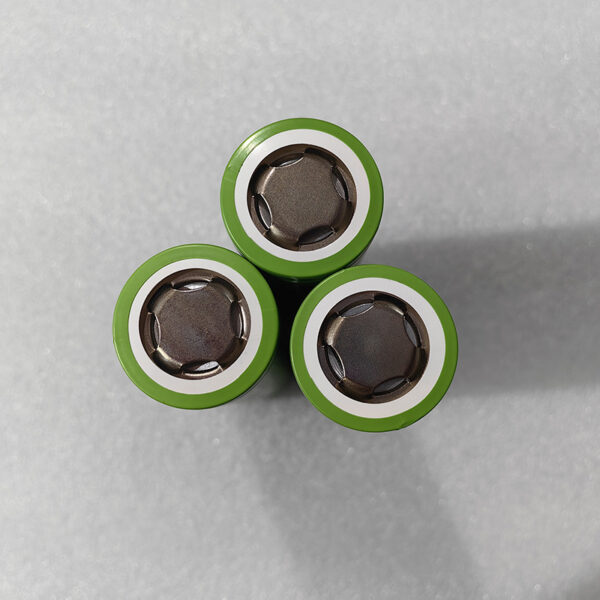
32700 LiFePO4 Wholesale – Sample Test Report for Solar Storage
As the global demand for renewable energy solutions accelerates into 2026, the reliability of energy storage systems (ESS) has become a paramount concern for B2B buyers, system integrators, and distributors. Among the various form factors available, the 32700 LiFePO4 cylindrical cell has emerged as a robust choice for solar storage applications. This article provides a professional overview of wholesale procurement, focusing on the critical analysis of sample test reports, technical specifications, and compliance standards necessary for successful international trade.
The Strategic Value of 32700 LiFePO4 Cells
The 32700 cell, characterized by its 32mm diameter and 70mm length, offers a balanced compromise between energy density and thermal management. Unlike smaller form factors such as 18650 or 21700, the 32700 variant typically provides higher capacity per cell, reducing the total number of connection points in a battery pack. For solar storage, where longevity and safety are critical, Lithium Iron Phosphate (LiFePO4) chemistry is the industry standard due to its thermal stability and long cycle life.
When sourcing these cells for wholesale, buyers must look beyond price. The core value lies in consistency and verified performance data. A professional supplier should provide detailed technical documentation that aligns with the specifications found in their Cylindrical Battery Cell catalog.
Decoding the Sample Test Report
For overseas B2B purchasers, the sample test report is the most critical document in the due diligence process. It validates the manufacturer’s claims and ensures the cells meet the rigorous demands of solar storage. A comprehensive test report should include the following key parameters:
1. Capacity Verification
The nominal capacity of a standard 32700 LiFePO4 cell typically ranges from 6000mAh to 7000mAh. A valid test report must show discharge curves at standard rates (e.g., 0.5C or 1C). Buyers should verify that the minimum capacity meets the Grade A standard, usually defined as ≥95% of the nominal rating. Discrepancies here often indicate Grade B cells, which are unsuitable for long-term solar storage.
2. Internal Resistance (AC IR)
Internal resistance directly impacts efficiency and heat generation. For 32700 cells, a typical AC internal resistance should be below 10mΩ. High resistance leads to voltage sag under load and excessive heat during charging, which can degrade the battery pack over time. The test report should list individual cell resistance to ensure consistency across the batch.
3. Voltage Consistency
In a series-parallel configuration, cell imbalance is the enemy of longevity. A quality test report will show the open-circuit voltage (OCV) spread of the sample batch. For premium solar applications, the voltage difference between cells should be within ±5mV. Tighter consistency reduces the workload on the Battery Management System (BMS) and extends the overall system life.
4. Cycle Life Data
Solar storage systems are expected to operate for 10 to 15 years. The test report should reference cycle life testing under standard conditions (e.g., 25°C, 80% Depth of Discharge). High-quality 32700 LiFePO4 cells should demonstrate over 6000 cycles while retaining at least 80% of their initial capacity.
Compliance and Safety Standards
Importing lithium batteries into regions such as North America, Europe, and Australia requires strict adherence to safety and transportation regulations. A wholesale supplier must provide certification documentation alongside the test report.
- UN38.3: Mandatory for air and sea transport. This ensures the cells have passed tests for altitude, thermal, vibration, and shock.
- IEC 62619: Specific to secondary lithium cells and batteries for industrial applications, including energy storage.
- CE & UL: While often associated with the final pack, cell-level compliance supports the certification of the final product.
Working with verified Battery Manufacturers in China ensures that these certifications are authentic and up-to-date, mitigating the risk of customs delays or safety liabilities.
Procurement Best Practices for 2026
The market in 2026 is saturated with suppliers, but not all offer true Grade A cells. Here are practical steps for securing a reliable supply chain:
- Request Pre-Shipment Inspection: Do not rely solely on paper reports. Arrange for third-party inspection or request video evidence of capacity testing during production.
- Verify Manufacturer Status: Distinguish between trading companies and actual factories. Direct manufacturers offer better traceability and technical support.
- Check BMS Compatibility: Ensure the cell specifications match your BMS requirements, particularly regarding charge/discharge current limits and voltage cut-offs.
- Sample Testing: Always order samples before committing to a container load. Test them in your specific application environment to validate performance.
Case Application: Residential Solar ESS
Consider a residential solar storage unit requiring 5kWh capacity. Using 3.2V 6000mAh 32700 cells, a 16S configuration yields approximately 51.2V. With 50 parallel strings, the system achieves the target capacity. If the cells have high internal resistance or poor consistency, the BMS will frequently trigger balance modes, reducing efficiency. By utilizing cells with verified test reports showing low IR and tight voltage grouping, the system maintains higher efficiency and requires less maintenance over its 10-year lifespan.
Conclusion
Selecting the right 32700 LiFePO4 cells is a technical decision that impacts the safety, efficiency, and profitability of solar storage projects. A detailed sample test report is not just a formality; it is a guarantee of performance. By focusing on capacity verification, internal resistance, and compliance, B2B buyers can secure high-quality components that stand the test of time.
For partners seeking reliable wholesale options, detailed specifications, or direct factory communication, we invite you to explore our product ranges and manufacturing capabilities. To discuss your specific project requirements or request a formal quote, please reach out through our Contact page. Ensuring quality at the cell level is the first step toward building a sustainable energy future.

