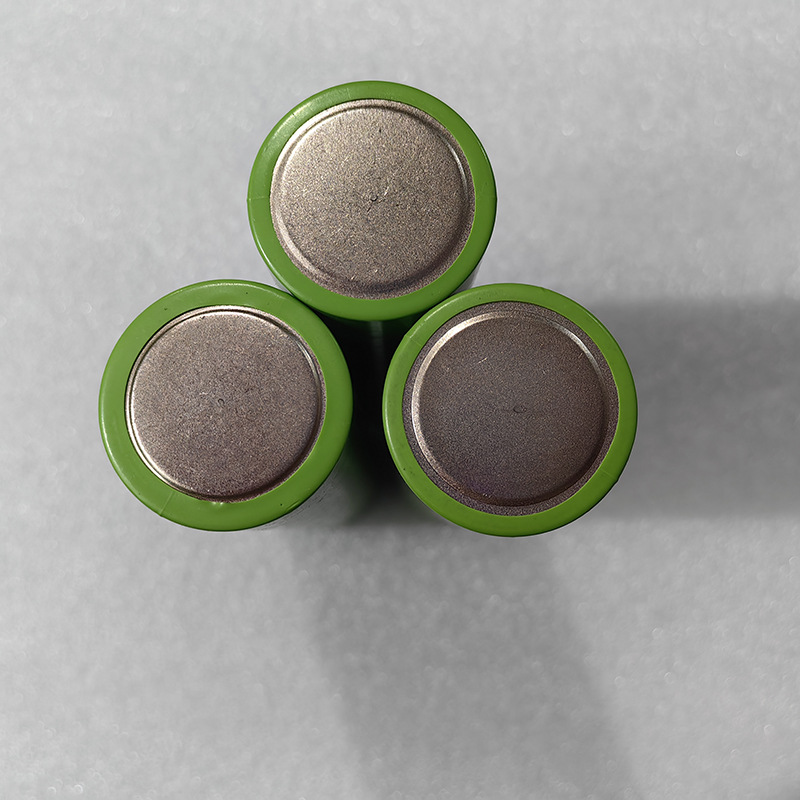
32700 LFP for Solar Storage – Custom OEM Voltage Platform
The global transition toward renewable energy has intensified demand for reliable, scalable energy storage solutions. Among various battery chemistries, Lithium Iron Phosphate (LFP) cylindrical cells, particularly the 32700 format, have emerged as a preferred choice for solar storage applications. This article examines the technical advantages, customization capabilities, and OEM voltage platform considerations that make 32700 LFP cells ideal for commercial and industrial solar energy storage systems.
Understanding the 32700 LFP Cell Architecture
The 32700 cylindrical cell designation refers to its physical dimensions: 32mm in diameter and 70mm in length. This form factor offers an optimal balance between energy density, thermal management, and mechanical stability. LFP chemistry provides inherent safety advantages over other lithium-ion variants, including superior thermal stability and resistance to thermal runaway.
From an electrochemical perspective, LFP cathodes operate at approximately 3.2V nominal voltage with a stable discharge plateau. This characteristic simplifies battery management system (BMS) design and enables more predictable state-of-charge estimation. The olivine crystal structure of LiFePO4 ensures excellent cycle life, typically exceeding 3,000-5,000 full cycles at 80% depth of discharge.
Technical Advantages for Solar Storage Applications
Thermal Performance: Solar storage systems often operate in varying environmental conditions. 32700 LFP cells maintain stable performance across a wide temperature range (-20°C to 60°C). The cylindrical geometry facilitates efficient heat dissipation through the cell surface, reducing thermal stress during high-current charging from solar inverters.
Scalability and Modularity: The standardized 32700 format enables flexible pack configuration. Engineers can design series-parallel arrangements to achieve target voltage platforms (12V, 24V, 48V, or higher) while maintaining balanced cell currents. This modularity supports custom OEM requirements for diverse solar installation scales.
Safety Characteristics: LFP chemistry eliminates cobalt, reducing supply chain risks and environmental concerns. The strong P-O bonds in the phosphate structure prevent oxygen release during abuse conditions, significantly lowering fire risk compared to NMC or NCA chemistries.
Custom OEM Voltage Platform Considerations
When developing custom solar storage solutions, several technical parameters require careful consideration:
Voltage Window Optimization: While LFP cells nominally operate at 3.2V, the actual working voltage range spans 2.5V to 3.65V. OEM platforms must configure BMS cutoff points to maximize usable capacity while preserving cycle life. Over-discharge protection below 2.5V prevents copper dissolution, while overcharge protection above 3.65V avoids electrolyte decomposition.
Current Rating and C-Rate: Solar charging profiles typically require 0.5C to 1C charge rates. 32700 LFP cells commonly support continuous discharge rates of 1C-3C, with pulse capabilities up to 5C. System designers must match cell specifications with inverter requirements and expected load profiles.
Parallel Configuration Balance: When connecting multiple cells in parallel, initial voltage matching within 10mV ensures balanced current distribution. OEM manufacturers should implement pre-assembly sorting and matching procedures to minimize cell-to-cell variations.
Quality Assurance and Manufacturing Standards
Reliable solar storage deployment depends on consistent cell quality. Reputable battery manufacturers in China implement comprehensive quality control protocols including incoming material inspection, in-process testing, and final performance validation. Key quality indicators include capacity consistency (±3%), internal resistance matching (±5%), and self-discharge rates below 3% per month.
For cylindrical battery cell procurement, technical buyers should request detailed specification sheets covering electrical performance, mechanical dimensions, safety certifications (UN38.3, IEC62619, UL1973), and warranty terms.
Integration and System Design Best Practices
Successful 32700 LFP integration requires attention to mechanical design, electrical connections, and thermal management. Busbar design should minimize resistance and ensure uniform current distribution. Thermal interface materials between cells and cooling plates optimize heat transfer. BMS communication protocols (CAN, RS485, or Modbus) enable remote monitoring and predictive maintenance.
Conclusion
The 32700 LFP cylindrical cell represents a mature, reliable technology for solar storage applications. Its combination of safety, longevity, and customization flexibility makes it suitable for diverse OEM voltage platform requirements. As the renewable energy sector continues expanding, partnerships with experienced manufacturers become increasingly critical for project success.
For technical consultations, customization inquiries, or detailed product specifications regarding 32700 LFP solutions for solar storage, please visit our contact page to connect with our engineering team. We support global partners with tailored battery solutions that meet international quality standards and application-specific requirements.