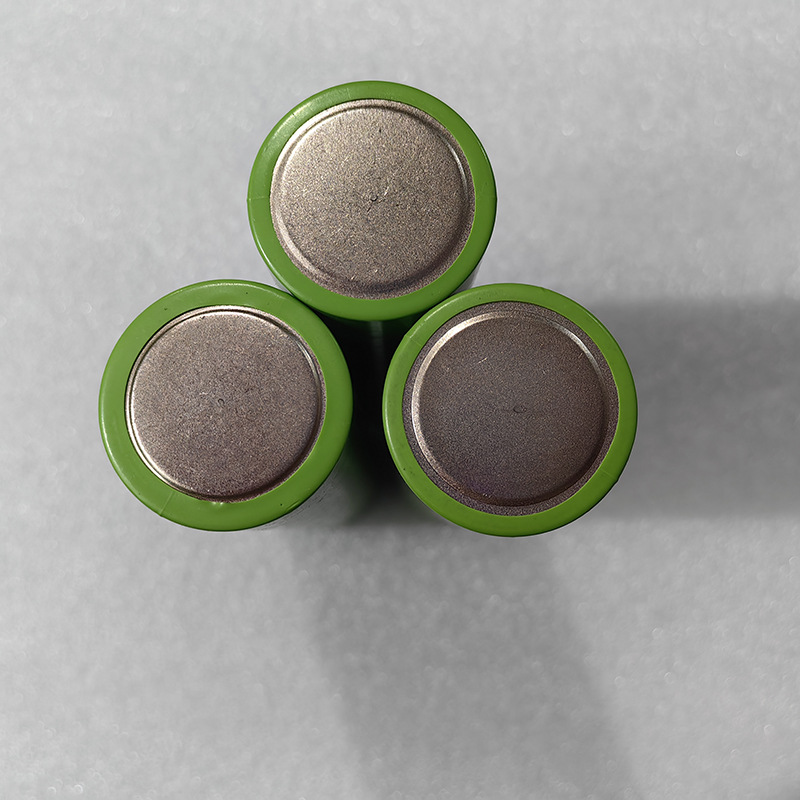
32700 LFP Cylindrical Cells – Thermal Runaway Prevention 2026
The lithium battery industry continues to evolve rapidly, with safety remaining the paramount concern for engineers and technical procurement specialists worldwide. As we advance into 2026, the 32700 LFP (Lithium Iron Phosphate) cylindrical cell has emerged as a critical component in energy storage systems, electric vehicles, and industrial applications. This article provides a comprehensive technical analysis of thermal runaway prevention mechanisms specific to 32700 LFP cylindrical cells, offering valuable insights for B2B professionals evaluating battery solutions.
Understanding the 32700 LFP Cell Architecture
The 32700 designation refers to cylindrical cells with a diameter of 32mm and height of 70mm, representing one of the larger format cylindrical batteries available in the market. These cells typically deliver capacity ranges between 6000mAh to 6200mAh, making them ideal for high-capacity applications requiring enhanced safety profiles. The LFP chemistry inherently offers superior thermal stability compared to NMC or NCA alternatives, with decomposition temperatures exceeding 270°C versus approximately 150°C for ternary chemistries.
Thermal Runaway: Mechanisms and Detection
Thermal runaway represents the most severe safety incident in lithium-ion battery systems—a violent, uncontrollable chain reaction process. For 32700 LFP cells, understanding the three distinct phases is essential for effective prevention:
Early Stage (Induction Period): The solid electrolyte interphase (SEI) layer on the anode surface begins decomposing at temperatures between 80-120°C. This stage produces minimal detectable signals but marks the initiation of exothermic reactions. Advanced BMS systems can detect subtle voltage anomalies and temperature gradients during this critical window.
Gas Generation and Expansion Stage: As temperatures rise to 150-200°C, electrolyte decomposition generates gases including CO, CO₂, and hydrocarbons. Cell internal pressure increases, and swelling becomes measurable. Pressure sensors and gas detection systems provide reliable mid-stage warning signals, enabling proactive intervention before catastrophic failure.
Violent Thermal Runaway Stage (Explosion Period): Temperatures exceed 200°C, triggering cathode material decomposition and oxygen release. This stage produces visible smoke, rapid temperature escalation, and potential fire propagation to adjacent cells. Prevention strategies must focus on early detection rather than mitigation at this point.
Advanced Prevention Technologies for 2026
1. Enhanced BMS Integration
Modern Battery Management Systems incorporate multi-parameter monitoring including voltage, current, temperature, and internal pressure. The 2026 industry standards require BMS to implement active cell balancing, thermal derating controls, and fault diagnosis capabilities. For 32700 configurations, distributed temperature sensing with minimum three measurement points per cell ensures accurate thermal profiling across the entire pack architecture.
2. Thermal Management System Design
Effective thermal management combines passive and active cooling strategies. Phase change materials (PCM) integrated within cell spacing provide passive heat absorption during transient thermal events. Liquid cooling plates with glycol-based coolants maintain optimal operating temperatures between 15-35°C, preventing thermal accumulation during high-rate discharge cycles.
3. Cell-Level Safety Features
Current 32700 LFP manufacturers incorporate multiple safety mechanisms including pressure relief vents, thermal fuses, and ceramic-coated separators. The ceramic coating (typically Al₂O₃ or SiO₂) enhances separator thermal stability, preventing shrinkage and internal short circuits at elevated temperatures. Some advanced designs feature self-extinguishing electrolytes with flame-retardant additives.
4. Pack-Level Protection Strategies
Thermal propagation barriers between cells significantly reduce cascade failure risks. Aerogel insulation, mica sheets, and intumescent materials create thermal isolation zones, limiting heat transfer to adjacent cells. New 2026 regulations require battery systems to maintain no fire or explosion for at least 2 hours following single-cell thermal runaway initiation, with all monitoring points remaining below 60°C.
Quality Considerations for Technical Procurement
When evaluating 32700 LFP cells for commercial applications, several critical parameters warrant attention:
- Self-Discharge Rates: Quality cells demonstrate daily self-discharge below 0.5% (approximately 12-15mAh for 6000mAh capacity). Higher rates indicate manufacturing defects or material inconsistencies.
- Cycle Life Performance: Premium 32700 LFP cells achieve 3000-5000 cycles at 80% depth of discharge while maintaining 80% capacity retention.
- Consistency Metrics: Cell-to-cell voltage variation should remain below 10mV after formation cycling, ensuring balanced pack performance.
- Certification Compliance: Verify UN38.3, IEC62619, UL1642, and regional safety certifications appropriate for target markets.
Implementation Best Practices
Successful deployment of 32700 LFP systems requires comprehensive integration planning. Engineers should design adequate spacing between cells (minimum 2mm) for thermal management components. Welding parameters must be optimized to prevent heat damage during busbar connection—recommended laser welding energy below 8J with pulse duration under 5ms. Regular maintenance protocols should include quarterly impedance testing and annual capacity verification.
Conclusion and Product Resources
The 32700 LFP cylindrical cell represents a mature, safety-optimized solution for demanding energy storage applications in 2026. By implementing comprehensive thermal runaway prevention strategies spanning cell selection, BMS integration, thermal management, and pack design, organizations can achieve reliable, long-lasting battery systems meeting the most stringent safety requirements.
For technical professionals seeking verified 32700 LFP cylindrical battery solutions with comprehensive safety certifications, explore our product portfolio at Cylindrical Battery Cell. Our manufacturing capabilities align with international quality standards, supporting B2B partnerships across global markets. Learn more about our production facilities and quality systems at Battery Manufacturers in China.
For detailed technical consultations, customization requirements, or volume procurement inquiries, our engineering team stands ready to support your project specifications. Contact us directly at Contact Page to discuss your 32700 LFP cell requirements and receive comprehensive technical documentation including test reports, certification files, and application engineering support.
This technical analysis reflects current 2026 industry standards and best practices for 32700 LFP cylindrical cell deployment in commercial and industrial applications.