

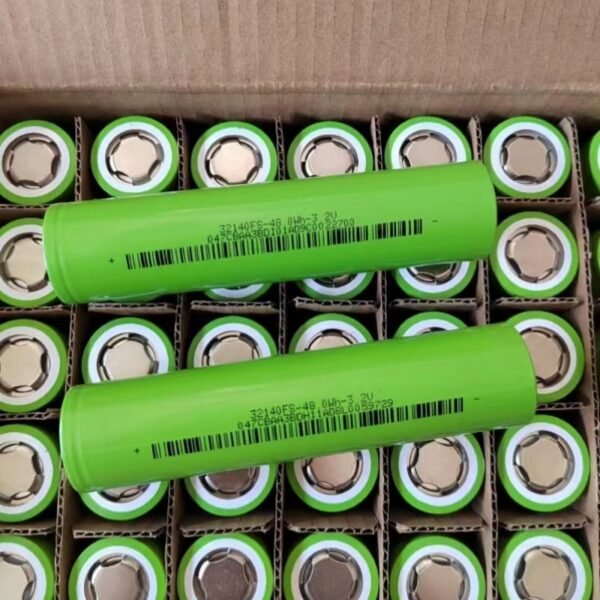
The Ultimate Power Solution: 32700 LFP Battery for Electric Boats
When it comes to marine electrification, the shift from traditional lead-acid batteries to Lithium Iron Phosphate (LFP) technology is no longer a trend but a necessity. For engineers and technical buyers focused on Electric Boat (e-Boat) applications, the choice of cell format is critical. While 18650 and 21700 cells have dominated the portable electronics and EV markets, the 32700 LFP Battery is rapidly emerging as the superior choice for marine propulsion and auxiliary systems.
Why? Because e-Boats demand high energy density, robust safety, and long cycle life in harsh environments. The 32700 cylindrical format offers a unique balance of volumetric efficiency and thermal stability that smaller cells simply cannot match. This article will dissect the technical advantages of the 32700 format, specifically focusing on its application in electric marine propulsion, and how partnering with a manufacturer like CNS Battery ensures compliance with global standards.
Why the 32700 Format Dominates Marine Applications
The transition from 18650/21700 to the 32700 format is driven by physics and engineering pragmatism. In the context of an electric boat, the battery pack must deliver sustained high current while resisting corrosion and vibration.
1. Volumetric Efficiency & Reduced BMS Complexity
The “32700” designation refers to a cell that is 32mm in diameter and 70mm in length. Compared to the 18650 (18mm x 65mm), the 32700 cell has a significantly larger active material volume.
- Higher Capacity: A standard IFR32700-6000 cell typically offers 6.0Ah of capacity. To achieve the same capacity with a 18650-3500 (3.5Ah), you would need nearly twice the number of cells.
- Engineering Impact: Fewer cells mean fewer welds, fewer connection points, and a simpler Battery Management System (BMS). In a marine environment where water ingress and corrosion are risks, reducing the number of inter-cell connections is a direct upgrade to system reliability.
2. Thermal Runaway Resistance
LFP chemistry is inherently safer than NMC (Nickel Manganese Cobalt), but the physical structure of the 32700 cell adds another layer of safety.
- Thermal Mass: The larger steel casing of the 32700 cell acts as a superior heat sink compared to smaller formats. During high-discharge operations (such as accelerating an electric boat), the cell generates less heat per unit of energy due to lower internal impedance.
- Thermal Stability: CNS Battery’s 32700 cells are engineered with optimized thermal management performance. This is crucial for boats that may sit in direct sunlight or operate in tropical waters, where ambient temperatures can soar.
3. Cycle Life and Durability
Electric boats are not just toys; they are commercial or heavy-duty recreational assets. They require batteries that can withstand deep discharges daily.
- Longevity: The CNS 32700 LFP battery is designed for long cycle life. Lithium Iron Phosphate chemistry generally offers 2000-5000 cycles. Combined with the robust cylindrical steel can, these cells resist swelling and degradation even under continuous high-load scenarios like trolling motors or full electric propulsion.
Technical Deep Dive: 32700 LFP Specifications
To understand why this cell is replacing lead-acid in marine applications, let’s look at the hard data. The CNS 32700 cell is a prime example of this technology.
| Parameter | Specification (CNS IFR32700) | Marine Relevance |
|---|---|---|
| Nominal Capacity | 6000mAh | Replaces multiple lead-acid batteries without complex parallel wiring. |
| Nominal Voltage | 3.2V | Standard for LFP; requires a BMS calibrated for marine-grade discharge curves. |
| Max Continuous Discharge | 3C (18A) | Capable of handling the high startup torque of marine motors. |
| Energy Density | High (per volume) | Allows for compact packs that fit in tight boat compartments. |
| Operating Temp (Discharge) | -20°C to 60°C | Essential for boats operating in diverse climates, from alpine lakes to oceans. |
Key Advantages for E-Boats:
- Weight Savings: Lead-acid batteries are notoriously heavy. Swapping them for 32700 LFP cells drastically reduces the weight of the vessel, improving speed and efficiency.
- Deep Discharge Tolerance: Unlike lead-acid, which degrades if discharged below 50%, LFP cells can be routinely discharged to 80-90% Depth of Discharge (DoD) without damage. This means you get to use almost all the rated capacity.
Quality Assurance: Testing for the High Seas
Selecting a battery is not just about the spec sheet; it is about the manufacturing quality. For an electric boat, a battery failure is not just an inconvenience—it is a safety hazard.
CNS Battery subjectss its cylindrical cells to rigorous testing protocols to ensure they meet the demands of marine applications:
- Vibration Testing: Simulating the rough conditions of a boat moving through waves. The steel casing of the 32700 must resist micro-fractures in the electrodes.
- Salt Spray Testing: To verify the corrosion resistance of the battery casing, a critical factor for any component exposed to a marine atmosphere.
- Cycle Testing: Cells undergo hundreds of charge-discharge cycles at elevated temperatures to simulate years of use.
Expert Insight: When sourcing cells for an e-boat, always request the ** formation data** and grading reports from the manufacturer. Consistency in internal resistance (IR) between cells is vital for pack longevity. The automated production lines used by manufacturers like CNS ensure this consistency.
Global Standards and Regional Compliance
One of the biggest hurdles for technical buyers is navigating the regulatory landscape. Whether you are building boats for the EU market, the USA, or Asia, the battery must comply with specific safety and environmental directives.
1. EU Market (CE, RoHS, REACH)
For boats sold in Europe, compliance with the CE marking and RoHS (Restriction of Hazardous Substances) is mandatory. Lithium Iron Phosphate is already RoHS compliant due to the absence of cobalt and nickel (in high quantities). However, the manufacturing process and packaging must also meet these standards. CNS Battery’s adherence to international quality management systems ensures that their 32700 cells are ready for the European marine market.
2. North American Market (UL, CSA)
In the United States and Canada, safety standards like UL 1642 (for lithium batteries) are critical. While the cell itself is a component, the manufacturer’s documentation and safety data sheets (SDS) must support the boat builder in achieving final UL certification for the vessel.
3. The CNS Advantage: Direct Manufacturer Partnership
Navigating these standards is easier when you work directly with the source. As a leading Battery Manufacturer in China, CNS Energy Technology provides the technical documentation and engineering support necessary for global compliance.
By choosing a partner with a proven track record in R&D and quality management, you mitigate the risk of non-compliance and ensure your electric boat meets the highest safety standards worldwide.
Powering Your Next Marine Project
The 32700 LFP Battery represents the perfect synergy of high energy density, safety, and durability required for electric boats. It is not just an upgrade; it is the future of marine propulsion.
If you are an engineer, a technical buyer, or a boat manufacturer looking to integrate this technology into your next project, you need a partner who understands the specific demands of the marine environment.
Ready to upgrade your marine power system?
Explore the full range of Cylindrical Battery Cells available from CNS Battery, including the high-capacity 32700 format, and see how they can be customized for your specific voltage and capacity needs.
- Explore our 32700 Product Line: Cylindrical Battery Cell Products
- Learn about our Manufacturing Capabilities: Battery Manufacturer in China
- Contact our Technical Team: For custom solutions and regional compliance support, reach out to our experts directly. Contact CNS Battery
Make the switch to reliable, efficient, and safe marine power today.


