

32700 Battery Cell For Medical Cart | CNS BATTERY
Powering Critical Healthcare Mobility with Reliable Energy Solutions
Medical carts have become indispensable assets in modern healthcare facilities, supporting everything from medication delivery to emergency response systems. At the heart of these mobile medical platforms lies a critical component often overlooked: the battery cell. The 32700 cylindrical battery cell has emerged as a preferred power solution for medical cart applications, offering an optimal balance of capacity, safety, and longevity.
Understanding the 32700 Battery Cell Specification
The 32700 designation refers to a cylindrical lithium battery with 32mm diameter and 70mm height. This form factor delivers typical capacities ranging from 6000mAh to 6300mAh at a nominal voltage of 3.2V when utilizing LiFePO4 (Lithium Iron Phosphate) chemistry. For medical cart applications, these specifications translate into several operational advantages:
- Higher Energy Density: Compared to smaller cylindrical cells like 18650, the 32700 provides approximately 2-3 times the capacity per cell
- Reduced Assembly Complexity: Fewer cells needed per battery pack means simplified BMS (Battery Management System) design
- Enhanced Thermal Performance: Larger surface area facilitates better heat dissipation during continuous operation
For detailed technical specifications on cylindrical battery cells, visit our product page.
Medical Device Compliance Requirements
Healthcare equipment operates under stringent regulatory frameworks. Battery systems for medical carts must comply with multiple international standards:
Key Compliance Standards
| Standard | Requirement | Application |
|---|---|---|
| IEC 60601-1 | Medical electrical equipment safety | General safety requirements |
| UN38.3 | Lithium battery transportation | Shipping compliance |
| UL 1642/2054 | Battery safety certification | North American markets |
| CE/ROHS | European conformity | EU market access |
| ISO 13485 | Medical device quality management | Manufacturing standards |
CNS BATTERY ensures all 32700 cells meet these critical certifications, enabling seamless integration into medical cart systems destined for global healthcare markets. Our manufacturing facilities maintain ISO 13485 certification, providing documentation support for your regulatory submissions.
Practical Application Cases
Case Study 1: Emergency Response Carts
A leading medical equipment manufacturer in Germany replaced their legacy lead-acid battery systems with 32700 LiFePO4 configurations. The results demonstrated:
- 60% weight reduction improving cart maneuverability
- 3x longer cycle life reducing total cost of ownership
- Zero thermal incidents over 18 months of field deployment
Case Study 2: Medication Dispensing Units
Hospital pharmacy carts requiring 24/7 operation benefited from the 32700’s stable discharge characteristics. The LiFePO4 chemistry maintained consistent voltage output throughout the discharge cycle, ensuring reliable operation of electronic locking mechanisms and inventory tracking systems.
Procurement Considerations for B2B Buyers
When sourcing 32700 battery cells for medical cart production, consider these essential factors:
1. Chemistry Selection
LiFePO4 remains the recommended chemistry for medical applications due to its inherent safety characteristics and thermal stability. While NCM chemistries offer higher energy density, the safety margin of LiFePO4 aligns better with healthcare risk management protocols.
2. Cycle Life Expectations
Medical carts typically require 2000+ complete charge cycles minimum. Verify manufacturer specifications include cycle life data at relevant depth-of-discharge (DoD) levels. CNS BATTERY 32700 cells deliver 2500+ cycles at 80% DoD under standard testing conditions.
3. Temperature Performance
Healthcare environments vary from climate-controlled pharmacies to emergency field conditions. Ensure battery specifications cover your operational temperature range. Standard 32700 cells support:
- Charging: 0°C to 45°C
- Discharging: -10°C to 55°C
- Storage: 0°C to 35°C (optimal)
4. Supply Chain Reliability
Medical device manufacturers cannot afford production delays. Evaluate supplier capacity, lead times, and inventory reserves. As established battery manufacturers in China, we maintain strategic stock levels for qualified B2B partners.
Integration Best Practices
Battery Management System (BMS) Requirements
Every medical cart battery pack requires a dedicated BMS implementing:
- Cell balancing across all series connections
- Over-charge and over-discharge protection
- Temperature monitoring with thermal shutdown
- Communication interfaces for status reporting (optional)
Mechanical Design Considerations
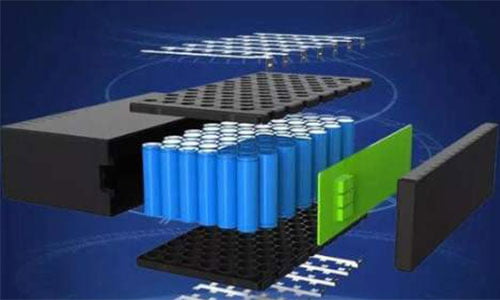
The 32700 form factor allows flexible pack configurations. Common arrangements for medical carts include:
- 4S configurations (12.8V nominal) for standard equipment
- 8S configurations (25.6V nominal) for higher power requirements
- Custom series-parallel arrangements based on runtime needs
Quality Assurance and Testing
Reputable suppliers should provide comprehensive test documentation including:
- Individual cell capacity verification
- Internal resistance matching reports
- Cycle life testing data
- Safety test certificates (UN38.3, UL, CE)
- Batch traceability records
CNS BATTERY implements 100% cell testing before shipment, with full documentation available for medical device regulatory submissions.
Partnership Support
Selecting a battery supplier extends beyond product specifications. Medical device manufacturers require ongoing technical support, documentation assistance, and responsive communication throughout the product lifecycle.
Our team provides:
- Technical consultation during design phases
- Regulatory documentation packages
- Customization options for specific applications
- After-sales support and warranty services
For partnership inquiries and technical consultations, please contact us to discuss your medical cart power requirements.
Conclusion
The 32700 battery cell represents a mature, reliable power solution for medical cart applications. With proper supplier selection, compliance verification, and integration practices, healthcare equipment manufacturers can deliver mobile medical platforms that meet the demanding reliability standards of modern healthcare facilities.
When evaluating 32700 cells for your medical cart programs, prioritize suppliers with proven medical device experience, comprehensive certifications, and the capacity to support your production volumes. The investment in quality battery systems pays dividends through reduced warranty claims, enhanced product reputation, and ultimately, improved patient care delivery.
This article provides general guidance for medical cart battery selection. Specific applications require engineering validation and regulatory compliance verification based on target markets and device classifications.

