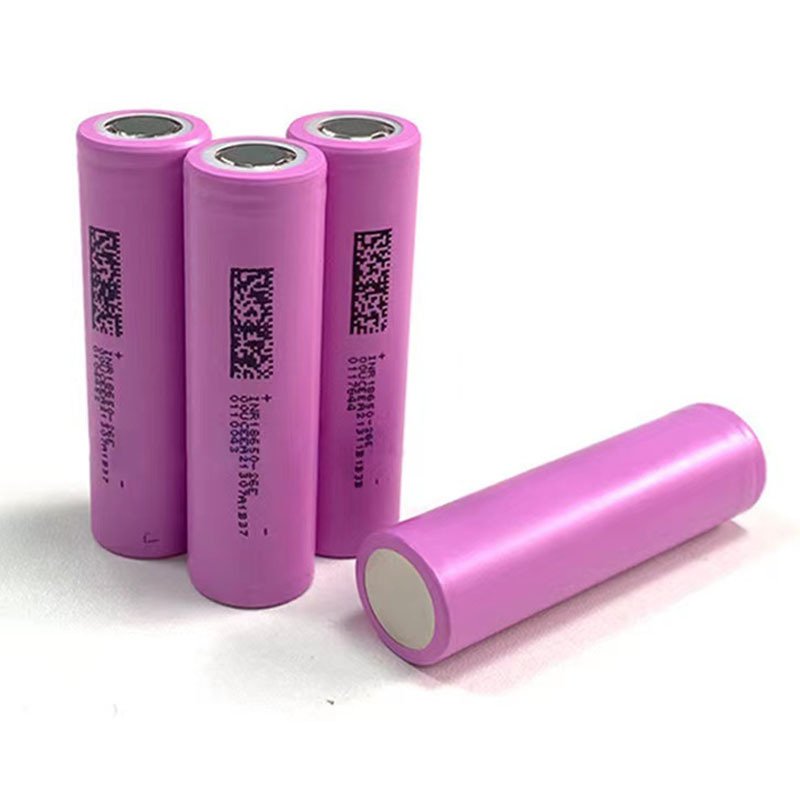
The Ultimate Guide to 32700 Battery Cells for Floor Scrubbers
The commercial cleaning industry is undergoing a rapid electrification shift. As facility managers and OEM engineers look to replace traditional gas-powered or heavy lead-acid systems, the 32700 battery cell has emerged as a superior power solution for modern floor scrubbers. Offering a unique blend of high capacity, thermal stability, and compact design, these cylindrical cells are redefining runtime and efficiency in the cleaning sector.
This guide provides a technical deep-dive into why the 32700 format is ideal for floor scrubbers, covering chemistry selection, system integration, and procurement strategies for B2B buyers.
Why the 32700 Format is Ideal for Floor Scrubbers
Floor scrubbers operate under demanding conditions: they require sustained high current for traction motors and intermittent bursts for scrubbing discs and suction motors. The 32700 form factor (32mm diameter, 70mm height) strikes a perfect balance between energy density and physical robustness.
Unlike smaller formats like the 18650 or 21700, the 32700 cell contains a significantly larger volume of active material. This translates directly into longer runtime per charge. For a commercial floor scrubber, this means fewer interruptions during a cleaning shift and less downtime for recharging.
Furthermore, the cylindrical design provides excellent mechanical strength, which is crucial in the vibration-heavy environment of a moving cleaning machine. The larger surface area also aids in passive heat dissipation, a critical factor when the machine is operating in continuous high-torque scenarios.
Chemistry Selection: LFP vs. NMC
When sourcing cells for floor scrubber applications, the choice between Lithium Iron Phosphate (LFP/IFR) and Nickel Manganese Cobalt (NMC/INR) is pivotal.
IFR32700-6000: The Safety & Cycle Life Standard
For general commercial cleaning applications where safety and longevity are the top priorities, the IFR32700-6000 is the industry benchmark. This LFP chemistry offers a nominal voltage of 3.2V and a capacity of 6.0Ah.
- Thermal Stability: LFP chemistry is renowned for its thermal runaway resistance. In the event of an electrical fault, these cells are far less likely to catch fire or explode compared to cobalt-based chemistries.
- Cycle Life: These cells can withstand over 2000 charge-discharge cycles while maintaining 80% of their capacity. This durability ensures the battery pack lasts the entire service life of the scrubber.
- Cost Efficiency: LFP cells generally have a lower total cost of ownership (TCO) due to their longevity and the absence of expensive cobalt.
INR21700-5000: The High-Energy Alternative
For smaller, lightweight scrubbers where space is constrained but high energy is required, the INR21700-5000 serves as a complementary solution. With a nominal voltage of 3.7V and a capacity of 5.0Ah, this NMC cell offers a higher energy density than the 32700 format.
While NMC provides more “punch” per unit volume, it requires a more sophisticated Battery Management System (BMS) to manage thermal events. It is best suited for machines that need high power-to-weight ratios but have strict size limitations.
Technical Specifications Comparison
To assist engineers and procurement managers in making an informed decision, the following table compares the key metrics of these two popular cells relevant to floor scrubber design.
| Feature | IFR32700-6000 | INR21700-5000 |
|---|---|---|
| Chemistry | Lithium Iron Phosphate (LFP) | Nickel Manganese Cobalt (NMC) |
| Nominal Capacity | 6.0 Ah | 5.0 Ah |
| Nominal Voltage | 3.2 V | 3.7 V |
| Max Continuous Discharge | 3C (18A) | 10A / 20A (High Rate Option) |
| Approx. Weight | 137 g | 76 g |
| Key Application | Heavy-duty Floor Scrubbers, UPS | Compact Floor Scrubbers, Power Tools |
Note: The IFR32700 is the preferred choice for heavy-duty scrubbers due to its higher capacity and safety profile, while the INR21700 is utilized where weight reduction is critical.
System Integration and BMS Requirements
Designing a battery pack for a floor scrubber involves more than just connecting cells in series. The BMS must be specifically calibrated to handle the unique discharge curves of the 32700 format.
1. Cell Balancing:
Given the high capacity of the 32700 cell, passive or active balancing is essential to ensure that no single cell in the string becomes a weak link. An unbalanced pack can lead to premature voltage drops, falsely indicating the battery is “dead” when other cells still have charge.
2. Thermal Management:
While the 32700 has good passive cooling characteristics, scrubbers operating in continuous 8-hour shifts may require active airflow within the battery compartment. Monitoring the cell surface temperature is mandatory to prevent degradation.
3. Communication Protocols:
Modern scrubbers often require the BMS to communicate state-of-charge (SoC) and fault codes to the main controller. Implementing standard protocols like CAN bus ensures seamless integration with the machine’s existing electronics.
Procurement and Supply Chain Strategy
For OEMs and distributors entering the lithium-ion cleaning equipment market, establishing a reliable supply chain is as important as the technical design.
Customization vs. Standard Cells
While standard Cylindrical Battery Cells offer quick time-to-market, many floor scrubber manufacturers require custom configurations. This can include specific tabbing materials, custom-length wires, or unique housing designs to fit legacy chassis originally designed for lead-acid batteries.
Quality Assurance
Given the high energy content, rigorous quality control is non-negotiable. Buyers should insist on manufacturers who perform 100% capacity testing and grading (binning) of cells to ensure consistency within a batch.
Regulatory Compliance
Ensure that your supplier adheres to international safety standards such as UL, IEC, and UN38.3. This is not just a legal requirement for shipping but a critical factor in obtaining insurance for the final equipment.
Conclusion: Partnering for Success
Selecting the right 32700 battery cell is a complex decision that impacts the entire lifecycle of a floor scrubber. It requires a partner who understands both the chemistry and the mechanical demands of commercial cleaning equipment.
As a leading manufacturer of cylindrical cells, we provide comprehensive solutions ranging from standard off-the-shelf cells to fully customized battery systems. Whether you are upgrading an existing fleet or designing a new machine from the ground up, our technical team is equipped to support your R&D and production needs.
For technical inquiries or to request a sample for testing in your specific application, please visit our Battery Manufacturers in China page or contact our engineering department directly. You can also explore our full range of Cylindrical Battery Cells to find the perfect fit for your next-generation floor scrubber.