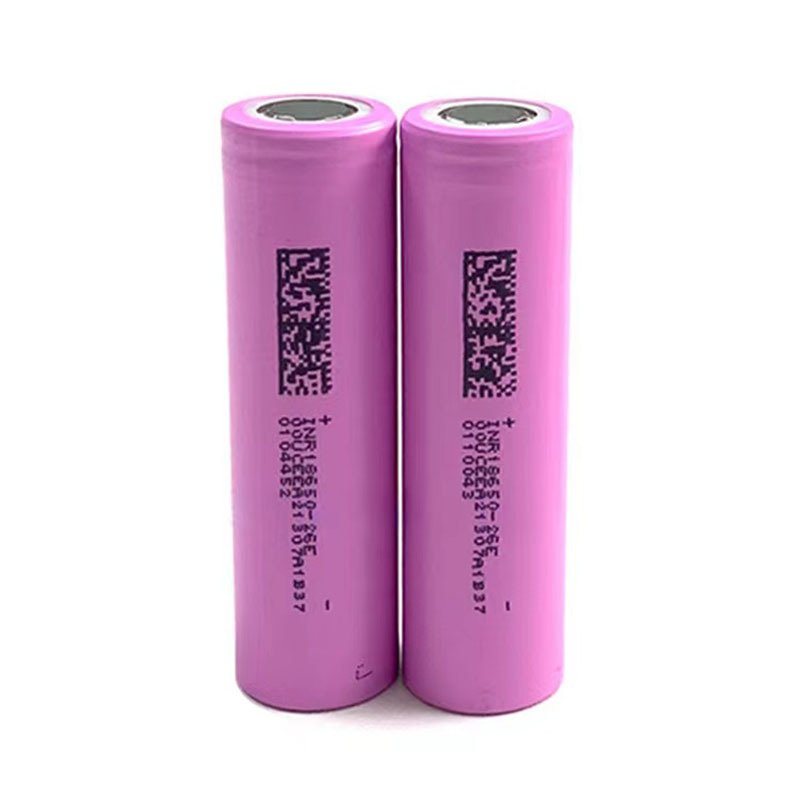
32150 LFP Battery Cell For ESS | CNS BATTERY
Introduction to 32150 LFP Battery Technology in Energy Storage Systems
The rapid evolution of renewable energy infrastructure has intensified demand for reliable, high-performance energy storage solutions. Among various battery chemistries, Lithium Iron Phosphate (LFP) cells have emerged as the preferred choice for stationary Energy Storage Systems (ESS). The 32150 LFP battery cell represents a significant advancement in cylindrical battery technology, offering optimal balance between energy density, cycle life, and thermal stability for commercial and utility-scale ESS applications.
CNS BATTERY specializes in manufacturing premium-grade cylindrical battery cells engineered for demanding energy storage requirements. This article provides technical professionals and procurement specialists with comprehensive insights into 32150 LFP cell specifications, performance characteristics, and integration considerations for ESS deployments.
Technical Specifications and Cell Architecture
The 32150 designation follows IEC 61960 standard naming conventions, indicating a cylindrical cell with 32mm diameter and 150mm height. This form factor delivers substantial advantages over conventional 18650 or 21700 cells in stationary storage applications:
Key Electrical Parameters:
- Nominal Voltage: 3.2V (LFP chemistry)
- Typical Capacity Range: 10-15Ah per cell
- Operating Temperature: -20°C to 60°C
- Cycle Life: 3,000-5,000 cycles at 80% Depth of Discharge
- Energy Density: 90-110 Wh/kg
The larger physical dimensions enable enhanced thermal management capabilities and reduced internal resistance compared to smaller cylindrical formats. This translates to improved efficiency during high-current charge/discharge operations common in grid stabilization and peak-shaving applications.
LFP Chemistry Advantages for ESS Applications
Lithium Iron Phosphate chemistry offers distinct benefits for stationary energy storage that justify its growing market adoption:
Safety Performance: LFP cells demonstrate superior thermal stability with decomposition temperatures exceeding 270°C, significantly higher than NMC or NCA alternatives. This characteristic minimizes thermal runaway risks in large-scale battery installations.
Longevity: The stable crystal structure of LiFePO4 enables extended cycle life without substantial capacity degradation. ESS operators benefit from reduced replacement costs and predictable performance over 10-15 year operational lifespans.
Cost Efficiency: Absence of cobalt and nickel reduces material costs while maintaining competitive energy density. This makes 32150 LFP cells economically attractive for projects requiring megawatt-hour scale storage capacity.
Integration Considerations for System Designers
Successful ESS deployment requires careful attention to battery management system (BMS) integration and module configuration. The 32150 form factor supports flexible series-parallel arrangements to achieve target voltage and capacity specifications.
Module Design: Typical configurations utilize 15-16 cells in series to achieve 48V nominal systems, with parallel strings scaled according to energy requirements. The cylindrical geometry facilitates efficient packing density while maintaining adequate cooling channels between cells.
BMS Requirements: Advanced battery management systems must monitor individual cell voltage, temperature, and state-of-charge to ensure balanced operation. CNS BATTERY provides technical documentation and support for BMS integration to optimize system performance and longevity.
Thermal Management: While LFP chemistry offers inherent thermal stability, active or passive cooling systems remain essential for maintaining optimal operating temperatures during continuous cycling. The 32150 cell’s surface area-to-volume ratio supports effective heat dissipation in properly designed enclosures.
Quality Assurance and Manufacturing Standards
CNS BATTERY maintains rigorous quality control protocols throughout the manufacturing process. Each 32150 LFP cell undergoes comprehensive testing including capacity verification, internal resistance measurement, and cycle life validation before shipment.
For detailed information about our manufacturing capabilities and quality certifications, visit https://cnsbattery.com/battery-manufacturers-in-china/. Our production facilities comply with international standards including ISO 9001, IEC 62619, and UN 38.3 transportation requirements.
Applications and Market Segments
The 32150 LFP battery cell serves diverse ESS applications across multiple sectors:
- Commercial & Industrial: Peak demand management, backup power, and renewable energy integration
- Utility-Scale: Grid frequency regulation, transmission deferral, and renewable firming
- Residential: Home energy storage paired with rooftop solar installations
- Telecommunications: Remote site backup power and network infrastructure support
For comprehensive product specifications and availability, explore our cylindrical battery cell portfolio at https://cnsbattery.com/products-3/cylindrical-battery-cell/.
Conclusion and Technical Support
The 32150 LFP battery cell represents a mature, reliable solution for modern energy storage challenges. Its combination of safety, longevity, and cost-effectiveness makes it an ideal choice for engineers and procurement professionals evaluating ESS components.
CNS BATTERY offers comprehensive technical support throughout the project lifecycle, from initial cell selection through system integration and ongoing maintenance guidance. Our engineering team assists customers in optimizing battery configurations for specific application requirements.
For technical consultations, sample requests, or volume pricing inquiries, please contact our international sales team at https://cnsbattery.com/contact-2/. We welcome partnerships with system integrators, EPC contractors, and energy developers committed to advancing sustainable energy storage solutions worldwide.
This technical article provides general information for engineering and procurement professionals. Specific application requirements should be discussed with qualified CNS BATTERY technical representatives to ensure optimal system design and performance.