

32150 Battery Cell For Energy Storage | CNS BATTERY
Introduction
The global energy storage market is experiencing unprecedented growth, driven by renewable energy integration and grid stabilization requirements. Among various battery form factors, the 32150 cylindrical lithium-ion battery cell has emerged as a compelling solution for stationary energy storage applications. This article provides a comprehensive technical analysis of the 32150 battery cell, examining its specifications, performance characteristics, and suitability for commercial and industrial energy storage systems.
Understanding the 32150 Cell Designation
The nomenclature “32150” follows the IEC 61960 standard for lithium-ion battery identification. The designation indicates:
- 32: Cell diameter of 32 millimeters
- 150: Cell height of 150 millimeters (15.0mm × 10)
This cylindrical form factor offers significant advantages over traditional 18650 or 21700 cells in energy storage applications, primarily due to its larger volume-to-surface-area ratio, which enhances thermal management and energy density at the pack level.
Technical Specifications and Performance Parameters
Capacity and Energy Density
The 32150 battery cell typically delivers capacities ranging from 12,000 to 18,000 mAh at nominal voltage of 3.2V (LiFePO4 chemistry) or 3.6-3.7V (NMC/NCA chemistry). This translates to approximately 38-66 Wh per cell, making it highly efficient for modular energy storage architectures.
Cycle Life and Degradation Characteristics
For energy storage applications, cycle life is paramount. LiFePO4-based 32150 cells demonstrate:
- Minimum 3,000 cycles at 80% depth of discharge (DOD)
- Up to 6,000 cycles under optimal operating conditions (25°C, 0.5C charge/discharge)
- Calendar life exceeding 10 years with proper thermal management
The larger cell format reduces the total number of interconnections required in battery packs, minimizing potential failure points and improving overall system reliability.
Thermal Management Advantages
The 32mm diameter provides superior heat dissipation compared to smaller cylindrical cells. Key thermal characteristics include:
- Lower internal resistance (typically 8-15 mΩ)
- Reduced heat generation during high-current operations
- Enhanced cooling efficiency in liquid or air-cooled pack designs
For B2B purchasers evaluating total cost of ownership, these thermal advantages translate to reduced cooling system requirements and lower operational expenses.
Application Scenarios for 32150 Cells
Commercial and Industrial Energy Storage
The 32150 format is particularly well-suited for:
- Behind-the-meter storage systems (50 kWh – 5 MWh)
- Microgrid applications requiring modular scalability
- UPS and backup power solutions for data centers and telecommunications
Renewable Energy Integration
Solar and wind energy storage projects benefit from the 32150 cell’s balance between energy density and longevity. The format enables:
- Simplified pack assembly with reduced welding points
- Standardized module designs for easier maintenance
- Flexible configuration options for varying voltage requirements
Quality Considerations for B2B Procurement
When sourcing 32150 battery cells for energy storage projects, technical buyers should evaluate:
- Manufacturing Certifications: ISO 9001, IATF 16949, and UN 38.3 transportation compliance
- Cell Consistency: Capacity variance should not exceed ±2% within production batches
- Safety Features: Built-in CID (Current Interrupt Device) and PTC (Positive Temperature Coefficient) protection
- Testing Documentation: Complete cycle life data, impedance spectra, and thermal runaway test results
Professional battery manufacturers in China have significantly advanced their quality control processes, with many facilities now operating at Six Sigma levels for cell production. For detailed information about qualified manufacturers, visit Battery Manufacturers in China.
Integration and System Design Considerations
BMS Compatibility
The 32150 cell requires battery management systems capable of:
- Precise voltage monitoring (±5 mV accuracy)
- Temperature sensing at multiple points within the module
- Active or passive balancing to maintain cell consistency over extended cycle life
Pack Assembly Best Practices
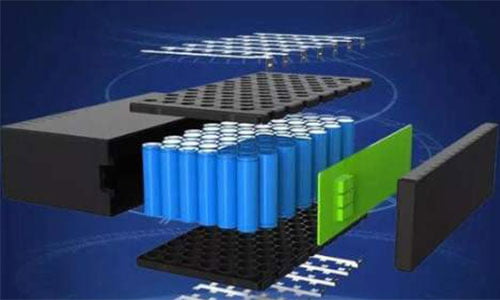
Optimal pack design for 32150 cells should incorporate:
- Laser welding for low-resistance interconnections
- Compression fixtures to maintain cell alignment during thermal expansion
- Fire suppression systems for large-scale installations
Conclusion and Product Resources
The 32150 battery cell represents an optimal balance between energy density, cycle life, and thermal performance for stationary energy storage applications. As the industry continues to standardize around larger cylindrical formats, this cell size offers compelling advantages for commercial and industrial projects requiring reliable, long-duration energy storage.
For technical teams evaluating 32150 cells for upcoming projects, comprehensive product specifications and customization options are available through our Cylindrical Battery Cell catalog. Our engineering team provides detailed technical documentation, sample testing programs, and project-specific configuration support.
To discuss your energy storage requirements or request technical consultations, please Contact Us for direct communication with our sales and engineering teams. We support global B2B customers with competitive pricing, reliable supply chains, and comprehensive after-sales technical support.
This technical article is intended for engineering professionals, procurement specialists, and system integrators evaluating battery solutions for energy storage applications. All specifications should be verified with manufacturer documentation for specific project requirements.


