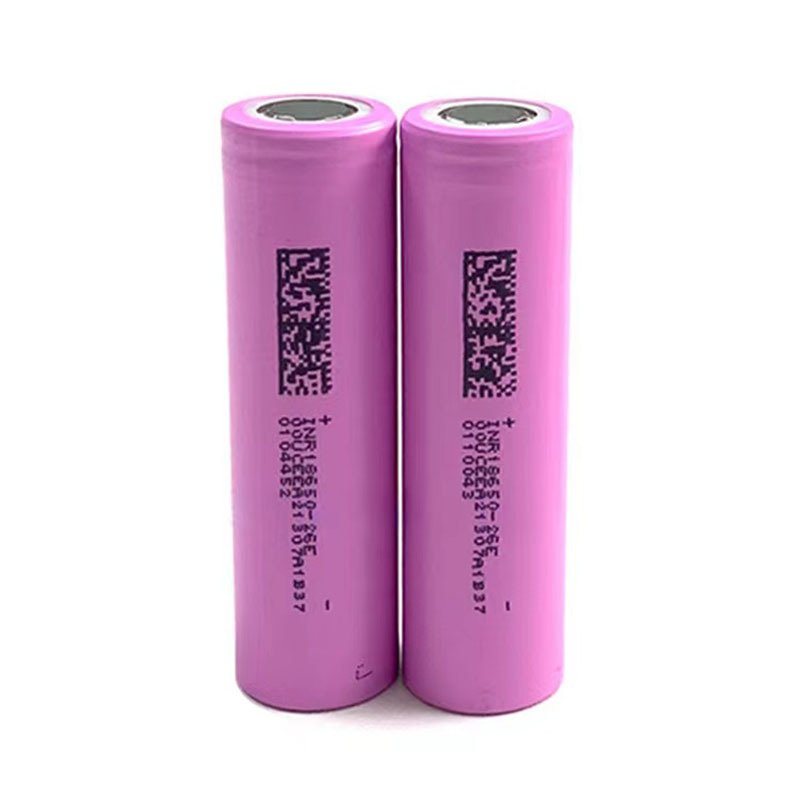
32150 3.2V 6500mAh LFP Battery Cell | CNS BATTERY
Introduction: The Rising Demand for High-Performance LFP Cylindrical Cells
In the evolving landscape of energy storage solutions, lithium iron phosphate (LFP) battery technology has emerged as a cornerstone for applications demanding exceptional safety, extended cycle life, and thermal stability. Among the diverse form factors available, the 32150 3.2V 6500mAh LFP Battery Cell represents a strategic balance between energy density, power delivery, and mechanical robustness. This technical analysis examines the core specifications, electrochemical characteristics, and application suitability of this cylindrical cell, providing engineers and technical procurement specialists with actionable insights for system integration.
Technical Specifications and Electrochemical Foundation
Cell Dimensions and Form Factor
The 32150 designation indicates a cylindrical cell with a 32mm diameter and 150mm length. This form factor offers several engineering advantages:
- Enhanced thermal dissipation compared to smaller cylindrical cells due to increased surface-area-to-volume ratio
- Mechanical stability suitable for vibration-prone environments including automotive and industrial applications
- Modular scalability for battery pack design with standardized mounting configurations
Voltage Platform and Chemistry
Operating at a nominal voltage of 3.2V, this cell utilizes LiFePO₄ cathode chemistry, which provides:
- Flat discharge curve between 3.2V-3.3V, simplifying battery management system (BMS) voltage monitoring
- Superior thermal runaway resistance with decomposition temperature exceeding 270°C
- Reduced cobalt dependency, aligning with ESG compliance requirements for international supply chains
Capacity and Energy Density
With a rated capacity of 6500mAh, the cell delivers approximately 20.8Wh of energy (3.2V × 6.5Ah). Key performance parameters include:
- Cycle life: Typically 2000-3000 cycles at 80% depth of discharge (DOD) under standard testing conditions (25°C, 0.5C charge/discharge)
- Calendar life: 8-10 years with proper thermal management and SOC storage protocols
- Internal resistance: Generally maintained below 15mΩ for efficient power delivery
Application Scenarios and System Integration Considerations
Stationary Energy Storage Systems (ESS)
The 32150 LFP cell is particularly well-suited for residential and commercial ESS applications where safety and longevity take precedence over maximum energy density. The cylindrical form factor enables:
- Efficient pack cooling through air or liquid thermal management systems
- Simplified module assembly with automated welding processes
- Predictable aging characteristics for accurate state-of-health (SOH) estimation
Electric Mobility and Specialized Vehicles
For low-speed electric vehicles, e-bikes, and material handling equipment, this cell provides:
- High current capability supporting continuous discharge rates of 1C-3C depending on thermal conditions
- Vibration resistance meeting automotive-grade testing standards
- Wide operating temperature range from -20°C to 60°C with appropriate BMS protection
Industrial and Backup Power Applications
The inherent safety profile of LFP chemistry makes this cell ideal for:
- Uninterruptible power supply (UPS) systems requiring minimal maintenance
- Telecommunications backup with extended calendar life requirements
- Marine and offshore applications where thermal runaway risks must be minimized
Quality Assurance and Manufacturing Standards
When sourcing 32150 LFP cells for commercial projects, verification of manufacturing credentials is essential. Reputable manufacturers maintain ISO 9001 certification, implement comprehensive cell grading protocols, and provide traceability documentation for each production batch. Technical buyers should request:
- IEC 62619 safety certification for industrial applications
- UN 38.3 testing reports for international transportation compliance
- Third-party validation of cycle life and capacity retention claims
For detailed manufacturer qualifications and production capabilities, visit Battery Manufacturers in China to evaluate supplier credentials.
Procurement and Technical Support
Successful integration of 32150 LFP cells requires collaboration between cell suppliers and system designers from the project inception phase. Key considerations include:
- Cell matching tolerances for parallel configurations (recommended capacity variance <3%)
- BMS compatibility with LFP-specific voltage thresholds and balancing algorithms
- Warranty terms covering capacity degradation and manufacturing defects
For cylindrical cell specifications and availability, explore the complete Cylindrical Battery Cell product portfolio.
Technical teams requiring customized solutions or volume procurement should establish direct communication channels with manufacturing partners. Detailed engineering support, sample evaluation, and project-specific quotations are available through the Contact Page.
Conclusion
The 32150 3.2V 6500mAh LFP Battery Cell represents a mature technology platform for applications prioritizing safety, cycle life, and total cost of ownership. By understanding the electrochemical fundamentals, application constraints, and quality verification processes outlined above, engineers and procurement specialists can make informed decisions for their energy storage projects. CNS BATTERY continues to support global partners with technically validated solutions and comprehensive supply chain transparency.