32135 Cylindrical – Power Tools & E-Mobility
When selecting a cylindrical battery cell for high-drain applications, the 32135 cylindrical battery stands out as a robust contender in the industrial landscape. While the industry often focuses on the ubiquitous 18650 or 21700 formats, the 32135 cylindrical battery offers a specific niche solution where higher current discharge and specific form factor constraints are critical. This article delves into the technical specifications, application advantages, and procurement considerations for integrating this specific cell type into your power tools and e-mobility projects.
Understanding the 32135 Cylindrical Battery
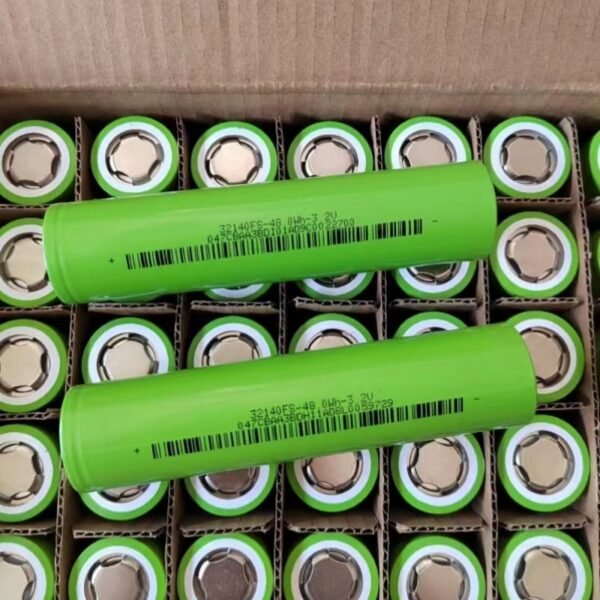
The nomenclature of lithium-ion cells is standardized. The designation “32135” breaks down into specific physical dimensions: 32mm in diameter and 135mm in length. This format is distinct from the more common 32700 (32mm x 70mm) cells often used in energy storage systems. The extended length of the 32135 provides unique mechanical advantages in specific pack designs, particularly where a longer, narrower profile is required to fit within the ergonomics of a tool or the frame of a vehicle.
From a chemistry perspective, these cells are typically available in Lithium Iron Phosphate (LiFePO4) or Lithium Nickel Manganese Cobalt Oxide (NMC) variants. The LiFePO4 chemistry is favored for its thermal stability and long cycle life, making it ideal for the rigorous demands of power tools that generate significant heat during operation.
Technical Advantages for High-Performance Applications
The primary advantage of the 32135 cylindrical battery lies in its structural integrity and thermal management capabilities. The larger diameter compared to 18650 or 21700 cells allows for thicker electrode coatings, which translates to higher capacity and better resistance to mechanical stress.
For Power Tools, this means the battery can sustain high discharge rates (often ranging from 15A to 30A continuous) without significant voltage sag. This is crucial for cordless drills, saws, and impact wrenches that require instantaneous torque. The cylindrical shape also allows for efficient heat dissipation along the length of the cell, preventing hotspots that can degrade performance in compact tool packs.
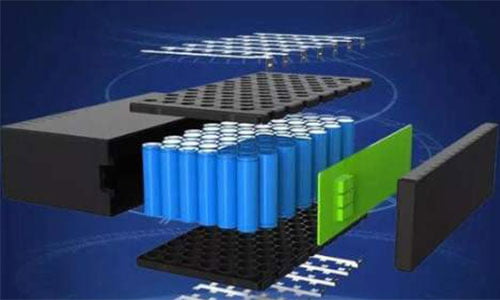
In the realm of E-Mobility, specifically for e-bikes and e-scooters, the 32135 cylindrical battery offers a balance between energy density and physical packaging. The longer length can be utilized to create sleek, integrated battery packs that fit within the downtube of a bicycle or the deck of a scooter. Furthermore, the high cycle life of these cells ensures that the battery pack remains reliable over thousands of charge cycles, a critical factor for daily commuters.
Comparison with Standard Formats
To understand where the 32135 cylindrical battery fits, it is helpful to compare it with standard industry formats. While the 21700 format is rapidly becoming the standard for high-energy density applications due to its superior volumetric efficiency, the 32135 offers a different set of trade-offs.
The 32135 cylindrical battery has a larger footprint but offers a higher single-cell capacity. This reduces the number of cells required in a Battery Management System (