

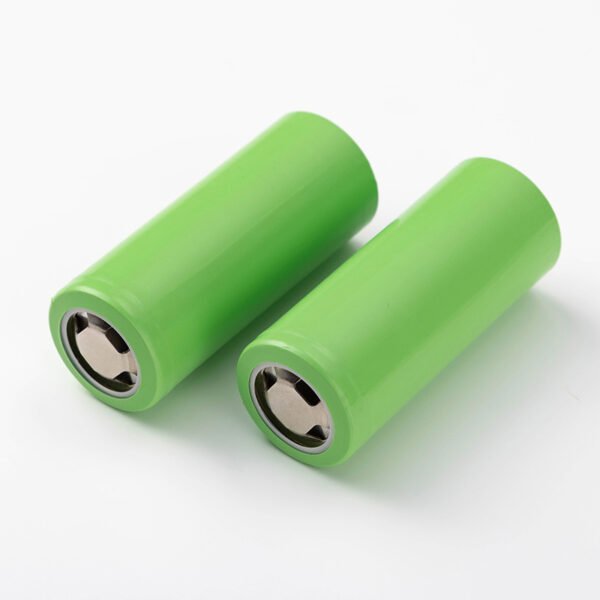
26650 Li-ion Wholesale Supplier from China: Guaranteed UN38.3 UL CE Certified for Electric Vehicle OEMs
The global electric vehicle (EV) market continues its exponential growth, creating unprecedented demand for reliable, certified lithium-ion battery solutions. For EV OEMs and technical procurement specialists, identifying a trustworthy 26650 Li-ion wholesale supplier from China with guaranteed UN38.3, UL, and CE certifications has become a critical strategic decision. This comprehensive guide examines the essential technical specifications, compliance requirements, and supplier verification processes that matter most to engineering teams.
Understanding 26650 Lithium-Ion Cell Technology
The 26650 cylindrical cell represents a significant evolution in lithium-ion battery architecture. With dimensions of 26mm in diameter and 65mm in length, this format offers approximately 50% more capacity than the ubiquitous 18650 cells while maintaining compatible manufacturing processes. Typical capacity ranges from 4000mAh to 5500mAh, with nominal voltages of 3.6V or 3.7V depending on cathode chemistry.
For EV applications, the 26650 format delivers superior thermal management characteristics due to its larger surface-area-to-volume ratio. This translates to enhanced safety margins during high-discharge scenarios and extended cycle life under demanding operating conditions. Engineering teams should evaluate specific energy density (Wh/kg), continuous discharge rates (C-rating), and operating temperature ranges when selecting cells for particular vehicle platforms.
Critical Certification Requirements for EV OEMs
UN38.3 Transportation Safety
UN38.3 certification remains the non-negotiable baseline for international lithium battery shipments. This United Nations standard encompasses eight rigorous test protocols including altitude simulation, thermal cycling, vibration, shock, external short circuit, impact, overcharge, and forced discharge testing. Reputable Chinese suppliers maintain complete test documentation through accredited laboratories, ensuring seamless customs clearance across North American, European, and Asian markets.
UL Certification Standards
UL 1642 and UL 2054 certifications demonstrate compliance with North American safety requirements. These standards evaluate cell construction, electrical abuse tolerance, and fire resistance characteristics. For EV battery pack integration, UL 2580 specifically addresses battery systems used in electric vehicles, providing additional assurance for automotive applications.
CE Marking for European Markets
CE certification confirms conformity with European Union health, safety, and environmental protection requirements. This includes compliance with the EU Battery Directive and RoHS restrictions on hazardous substances. Technical procurement teams should verify that CE documentation includes complete technical construction files and notified body assessment records.
Supplier Verification Best Practices
When evaluating potential battery manufacturers in China, engineering teams should implement comprehensive due diligence protocols. Factory audit capabilities, production capacity verification, and quality management system certifications (ISO 9001, IATF 16949) provide essential visibility into supplier reliability. Request recent third-party test reports and verify certification authenticity through issuing laboratory databases.
Manufacturing consistency represents another critical evaluation criterion. Statistical process control data, capacity matching tolerances, and internal resistance distribution specifications reveal production maturity levels. Leading suppliers maintain capacity matching within ±50mAh and internal resistance variation below 5mΩ for premium EV applications.
Technical Support and Customization Capabilities
Professional suppliers offer comprehensive technical support throughout the product development lifecycle. This includes cell selection guidance, battery pack design consultation, and BMS integration assistance. Customization options such as specific capacity ratings, discharge profiles, and terminal configurations enable optimized solutions for particular vehicle architectures.
For detailed product specifications and technical documentation, explore our comprehensive cylindrical battery cell catalog featuring certified 26650 solutions engineered for automotive applications.
Supply Chain Considerations for 2026
Current market dynamics favor established manufacturers with vertical integration capabilities. Raw material sourcing stability, particularly for lithium carbonate and cobalt, directly impacts production continuity and pricing predictability. Suppliers maintaining strategic material reserves and diversified sourcing networks provide enhanced supply security for long-term OEM partnerships.
Lead time expectations typically range from 4-8 weeks for standard configurations, with expedited options available for urgent development programs. Minimum order quantities vary based on customization requirements, with wholesale pricing structures offering significant cost advantages for volume commitments exceeding 10,000 cells.
Conclusion: Making the Right Partnership Decision
Selecting the appropriate 26650 Li-ion wholesale supplier requires balancing certification compliance, technical capabilities, and commercial terms. Prioritize suppliers demonstrating transparent documentation, consistent quality metrics, and responsive technical support teams. The investment in thorough supplier qualification pays dividends through reduced development risks and enhanced product reliability.
For comprehensive supplier verification and direct technical consultation, connect with our engineering team through our contact page. Our certified manufacturing facilities and proven track record with global EV OEMs position us as your strategic partner for lithium-ion battery solutions.
Explore additional insights on selecting reliable battery manufacturers in China to inform your procurement strategy and ensure long-term supply chain success.
Technical specifications and certification requirements subject to change based on regional regulations and application-specific standards. Always verify current compliance documentation before finalizing procurement decisions.


