26650 Battery Cell For Handheld Terminal | CNS BATTERY
Introduction: The Strategic Role of 26650 Cells in Modern Handheld Devices
The 26650 lithium battery cell has emerged as a critical power solution for industrial handheld terminals, offering an optimal balance between energy density, discharge capability, and operational reliability. As global supply chains demand more robust mobile computing solutions, understanding the technical specifications and compliance requirements of 26650 cells becomes essential for B2B procurement decisions.
Technical Specifications and Performance Parameters
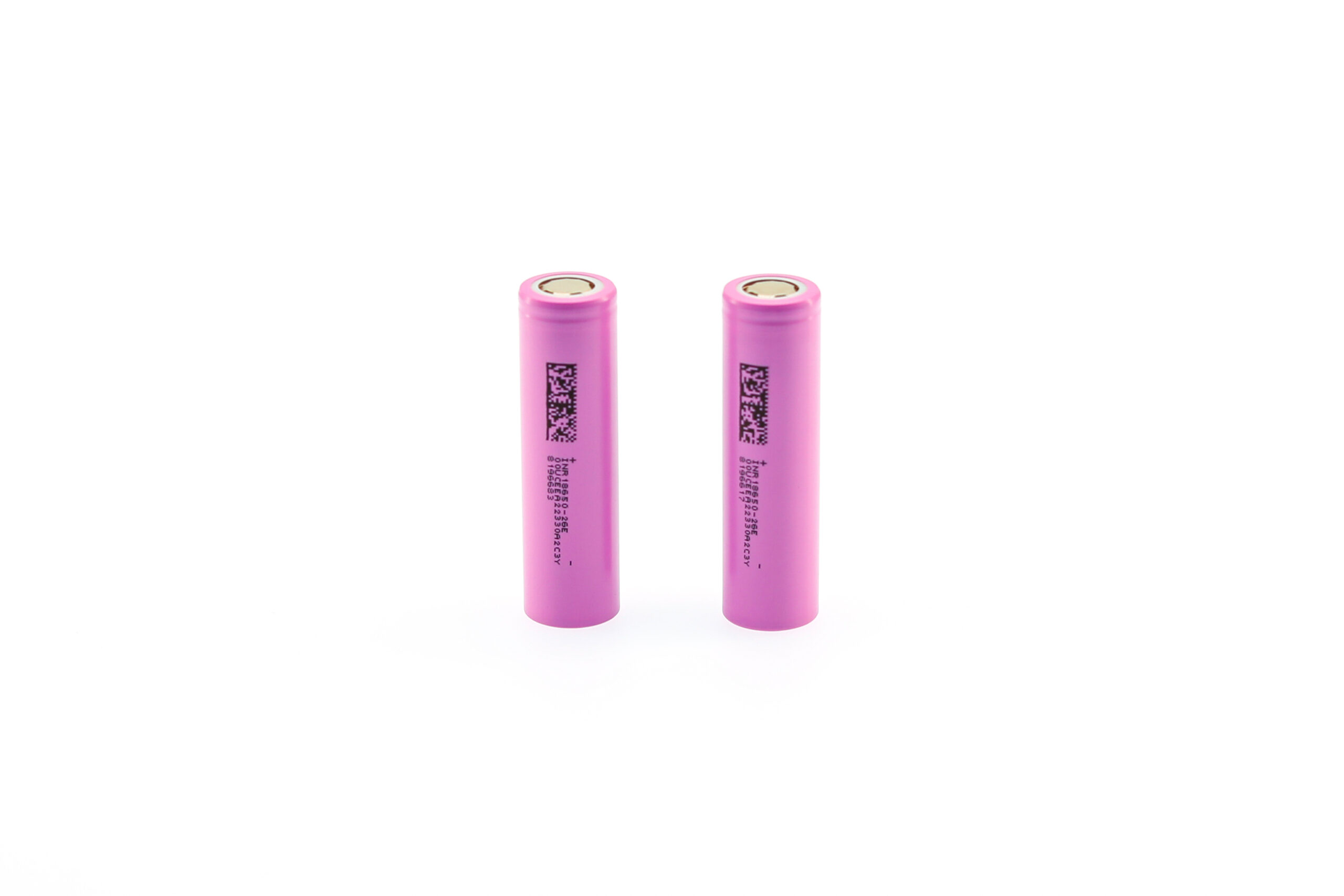
The 26650 designation refers to the physical dimensions: 26mm diameter and 65mm length in cylindrical format. This form factor provides approximately 30% more capacity compared to the common 18650 cells, making it particularly suitable for handheld terminals requiring extended operational cycles.
Key Technical Parameters:
- Nominal Voltage: 3.6V-3.7V (NMC chemistry) or 3.2V (LiFePO4)
- Capacity Range: 4,500mAh to 6,500mAh for ternary materials; 3,000mAh to 4,000mAh for lithium iron phosphate
- Operating Temperature: -20°C to 60°C (standard); specialized cells support -40°C low-temperature operations
- Cycle Life: 500-800 cycles (NMC); 2,000+ cycles (LiFePO4)
- Maximum Continuous Discharge: 5A-20A depending on cell design
For handheld terminal applications, the higher capacity translates to 8-12 hours of continuous operation under typical workloads, including barcode scanning, RFID reading, and wireless communications.
Application Scenarios in Handheld Terminals
Industrial handheld terminals serve diverse sectors including logistics, warehousing, retail, healthcare, and field services. The 26650 cell’s power characteristics address specific operational requirements:
Logistics and Warehouse Management: Devices operating in temperature-controlled environments require consistent voltage output throughout extended shifts. The 26650’s lower internal resistance minimizes voltage sag during high-current transmission bursts.
Field Service Applications: Outdoor operations demand cells with robust thermal management. Premium 26650 cells incorporate advanced separator technologies and electrolyte formulations that maintain performance across varying environmental conditions.
Healthcare and Pharmaceutical: Medical-grade handheld terminals require cells meeting stringent safety certifications, with built-in protection against thermal runaway and mechanical damage.
Compliance and Certification Requirements
International procurement of 26650 battery cells necessitates adherence to multiple regulatory frameworks:
Safety Certifications:
- UN 38.3: Mandatory for transportation of lithium batteries
- IEC 62133: International safety standard for portable sealed secondary cells
- UL 1642: North American safety certification for lithium cells
- CE/RoHS: European compliance for electromagnetic compatibility and hazardous substances
Industry-Specific Requirements:
- Medical devices may require ISO 13485 quality management certification
- Automotive applications need IATF 16949 compliance
- Military and aerospace sectors demand additional testing protocols
Procurement teams should verify that manufacturers maintain current certification documentation and can provide test reports from accredited laboratories. Counterfeit or substandard cells pose significant liability risks in commercial deployments.
Procurement Considerations for B2B Buyers
Supplier Qualification:
When evaluating 26650 cell suppliers, prioritize manufacturers with established quality management systems and transparent supply chains. Reputable battery manufacturers in China maintain production facilities with automated assembly lines, clean room environments, and comprehensive testing protocols.
Quality Verification:
- Request sample cells for independent capacity and cycle life testing
- Verify batch traceability systems
- Confirm warranty terms and replacement policies
- Assess technical support capabilities for integration challenges
Cost Optimization:
While unit price matters, total cost of ownership should drive decisions. Factors include:
- Cycle life affecting replacement frequency
- Failure rates impacting device downtime
- Compatibility with existing battery management systems
- Availability of technical documentation for regulatory submissions
Integration Best Practices
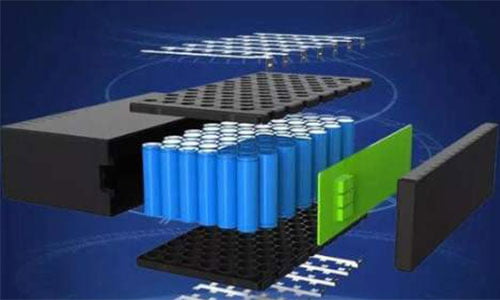
Successful 26650 cell integration requires attention to battery pack design:
Thermal Management: Ensure adequate spacing between cells and incorporate thermal interface materials for heat dissipation during high-drain operations.
Battery Management System (BMS): Implement protection circuits for overcharge, over-discharge, short-circuit, and temperature monitoring. The BMS should balance cell voltages in multi-cell configurations to maximize pack longevity.
Mechanical Design: Account for cell swelling during cycling (typically 1-3% thickness increase) and design housing with appropriate tolerances.
Case Study: Warehouse Terminal Deployment
A global logistics provider replaced 18650-based handheld terminals with 26650-powered devices across 50 distribution centers. Results included:
- 45% reduction in daily battery swaps
- 30% decrease in total battery inventory costs
- Improved operator productivity due to reduced charging interruptions
- 18-month ROI through operational efficiency gains
This demonstrates how proper cell selection directly impacts operational economics beyond initial procurement costs.
Conclusion and Next Steps
The 26650 battery cell represents a mature, reliable power solution for handheld terminal applications. Success depends on selecting qualified suppliers, ensuring regulatory compliance, and implementing proper integration practices.
For detailed product specifications and technical consultations, explore our cylindrical battery cell portfolio. Our engineering team supports B2B clients from initial specification through production scaling.
Contact CNS BATTERY for customized solutions matching your handheld terminal requirements. Visit our contact page to connect with our international sales team and request samples for evaluation.
This article provides general guidance for 26650 cell procurement. Specific applications may require additional technical assessment and compliance verification.