

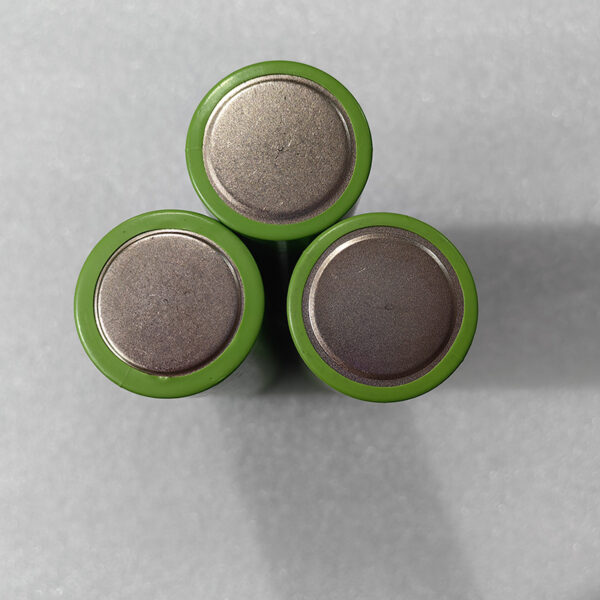
26650 Battery Cell For Electric Sightseeing Car | CNS BATTERY
Powering Sustainable Tourism: Technical Deep-Dive into 26650 Lithium Cells for Electric Sightseeing Vehicles
The electric sightseeing car industry is experiencing unprecedented growth across European tourist destinations, American national parks, and Asian heritage sites. At the heart of these zero-emission vehicles lies a critical component: the 26650 lithium battery cell. This comprehensive technical analysis examines why the 26650 form factor has become the preferred power solution for electric sightseeing applications, with specific focus on performance parameters, testing protocols, and regional compliance requirements for global deployment.
Understanding the 26650 Cell Architecture
The 26650 designation follows the standardized cylindrical battery nomenclature: 26mm diameter × 65mm length. This geometry offers a superior energy density-to-volume ratio compared to smaller formats like 18650, making it ideal for sightseeing vehicles requiring extended operational range without frequent recharging. The larger cell volume enables higher capacity (typically 4,000-5,500mAh per cell) while maintaining excellent thermal dissipation characteristics essential for continuous low-speed, high-torque applications.
For detailed specifications on cylindrical cell configurations, visit our Cylindrical Battery Cell Product Page.
Key Technical Parameters & Performance Advantages
1. Capacity and Energy Density
26650 cells for sightseeing car applications typically deliver 4,500-5,200mAh capacity at 3.2V (LiFePO4 chemistry) or 3.6V (NMC chemistry). This translates to approximately 14-18Wh per cell, enabling pack configurations that support 6-8 hours of continuous operation—critical for full-day tourist routes.
2. Cycle Life and Durability
Premium 26650 cells achieve 2,000-3,000 full charge cycles at 80% depth of discharge (DOD). For sightseeing vehicles operating 250 days annually, this equates to 8-10 years of service life before capacity degradation below 80% of nominal value.
3. Thermal Management
The cylindrical form factor provides superior surface-area-to-volume ratio, facilitating passive cooling in moderate climates. For European summer operations (ambient temperatures up to 45°C) or American desert environments, integrated thermal management systems maintain cell temperatures within the optimal 15-35°C range.
4. Discharge Rate Capability
Electric sightseeing cars require sustained discharge rates of 1C-3C during acceleration and hill climbing. Quality 26650 cells support continuous 5A-15A discharge with peak currents up to 30A without significant voltage sag or thermal runaway risk.
Testing Methodologies & Quality Validation
Performance Testing Protocol
| Test Parameter | Standard | Acceptance Criteria |
|---|---|---|
| Capacity Verification | IEC 61960 | ≥95% of rated capacity |
| Cycle Life | IEC 62619 | ≥2,000 cycles @ 80% DOD |
| Internal Resistance | GB/T 18287 | ≤35mΩ @ 1kHz AC |
| Self-Discharge | UN38.3 T6 | ≤5% per month @ 25°C |
Safety Testing Requirements
All 26650 cells destined for international markets must pass UN38.3 transportation safety testing, including eight mandatory assessments:
- T1 – Altitude Simulation: 11.6kPa low-pressure exposure for 6 hours
- T2 – Thermal Testing: -40°C to +75°C cycling with 10 cycles
- T3 – Vibration: 7Hz-200Hz-7Hz sweep across three axes
- T4 – Shock: 150g peak acceleration, 6ms duration
- T5 – External Short Circuit: 0.1Ω load at 55°C
- T6 – Impact/Crush: 9.1kg weight drop from 61cm
- T7 – Overcharge: 2× voltage for 24 hours
- T8 – Forced Discharge: Complete discharge to 0V
For manufacturers seeking compliant battery solutions, explore our Battery Manufacturers in China network for verified production partners.
Regional Compliance & Market Access
European Union Requirements
Electric sightseeing vehicles operating within EU member states must comply with:
- CE Marking per EN 62619 (industrial lithium battery safety)
- EMC Directive 2014/30/EU for electromagnetic compatibility
- RoHS Directive 2011/65/EU for hazardous substance restriction
- Battery Regulation (EU) 2023/1542 – new carbon footprint labeling requirements effective 2026
United States Standards
North American deployment requires:
- UL 1642 (cell-level safety certification)
- UL 2580 (battery pack systems for electric vehicles)
- DOT UN38.3 transportation documentation
- California Title 20 energy efficiency requirements (if applicable)
Technical Barriers & CNS Solutions
CNS BATTERY has engineered 26650 cells specifically addressing regional compliance challenges:
- EU Market: Cells pre-certified for CE marking with full IEC 62619 test reports, carbon footprint documentation aligned with new Battery Regulation requirements
- US Market: UL-recognized component status with complete UN38.3 test summaries for seamless customs clearance
- Cold Climate Performance: Enhanced electrolyte formulations maintaining 85% capacity at -20°C, critical for Northern European and Canadian operations
- Hot Climate Stability: Thermal runaway initiation temperature exceeding 280°C for Middle Eastern and American Southwest deployments
Integration Best Practices for OEMs
When integrating 26650 cells into sightseeing vehicle battery packs, engineers should consider:
- Cell Matching: Capacity and internal resistance variance should not exceed ±3% within parallel groups
- BMS Architecture: Implement active balancing for packs exceeding 48V nominal voltage
- Mechanical Protection: IP65 minimum enclosure rating for outdoor tourist environment exposure
- Charging Infrastructure: Compatible with CC/CV charging profiles, 0.5C-1C recommended for longevity
Conclusion: Strategic Selection for Global Deployment
The 26650 battery cell represents an optimal balance between energy density, thermal performance, and cost-effectiveness for electric sightseeing car applications. However, successful global deployment requires more than technical specifications—it demands comprehensive understanding of regional regulatory landscapes, testing protocols, and supply chain verification.
CNS BATTERY combines manufacturing excellence with compliance expertise, ensuring every 26650 cell meets destination-market requirements from initial production through end-of-life recycling obligations. For technical consultations, certification documentation, or custom pack development inquiries, contact our engineering team at CNS Battery Contact.
As the tourism industry accelerates toward electrification, partnering with a battery supplier who understands both the technical and regulatory dimensions of global deployment becomes a competitive advantage. The 26650 form factor, properly specified and certified, powers not just vehicles—but sustainable tourism experiences across continents.
Technical specifications subject to verification based on specific application requirements. All compliance certifications should be confirmed with current regulatory bodies before market entry.


