26650 Battery Cell For Electric Boat | CNS BATTERY
Introduction: Powering the Future of Marine Electrification
The marine industry is undergoing a significant transformation toward electrification, driven by environmental regulations and the demand for sustainable propulsion solutions. Among various battery technologies, the 26650 cylindrical lithium-ion cell has emerged as a compelling choice for electric boat applications. This article provides a comprehensive technical analysis of 26650 battery cells specifically engineered for marine environments, addressing the critical requirements of engineers and technical procurement professionals in the global B2B sector.
Technical Specifications and Performance Characteristics
Physical Dimensions and Capacity
The 26650 designation refers to the cell’s physical dimensions: 26mm diameter × 65mm length. This cylindrical format offers several advantages over alternative form factors for marine applications:
- Nominal Capacity: Typically ranges from 2500mAh to 3500mAh depending on chemistry
- Nominal Voltage: 3.2V (LiFePO4) or 3.6-3.7V (NMC/NCA)
- Energy Density: 150-220 Wh/kg for LiFePO4 variants
- Operating Temperature: -20°C to 60°C (extended range options available)
Discharge Rate and Power Delivery
Electric boat propulsion systems demand consistent power delivery under varying load conditions. Premium 26650 cells support:
- Continuous Discharge: 3C to 10C (7.5A to 30A per cell)
- Peak Discharge: Up to 20C for acceleration and maneuvering
- Internal Resistance: ≤35mΩ for minimized voltage sag
- Cycle Life: 2000-5000 cycles at 80% DOD (LiFePO4 chemistry)
Marine-Specific Engineering Considerations
Environmental Protection and Safety
Marine environments present unique challenges including moisture, salt corrosion, and vibration. Professional-grade 26650 cells for electric boats incorporate:
- IP67-rated cell housing for water and dust resistance
- Corrosion-resistant terminal materials (nickel-plated copper)
- Enhanced thermal management through optimized cell spacing
- Built-in safety vents for pressure relief during thermal events
Battery Management System (BMS) Integration
Effective BMS integration is critical for marine battery packs. Key parameters include:
- Cell balancing: Active or passive balancing within ±10mV tolerance
- Temperature monitoring: Multiple thermistor points per module
- State of Charge (SOC) accuracy: ±3% under dynamic load conditions
- Communication protocols: CAN bus, RS485, or Bluetooth for system integration
Chemistry Selection: LiFePO4 vs. NMC for Marine Applications
LiFePO4 (Lithium Iron Phosphate)
Advantages for Electric Boats:
- Superior thermal stability (thermal runaway >270°C)
- Extended cycle life (3000-5000 cycles)
- Enhanced safety profile for confined marine spaces
- Lower total cost of ownership despite higher initial investment
Technical Specifications:
- Voltage range: 2.5V – 3.65V
- Recommended charge rate: 0.5C – 1C
- Self-discharge rate: <3% per month
NMC (Nickel Manganese Cobalt)
Considerations:
- Higher energy density (200-250 Wh/kg)
- Suitable for space-constrained installations
- Requires more stringent thermal management
- Cycle life: 1000-2000 cycles
System Design and Pack Configuration
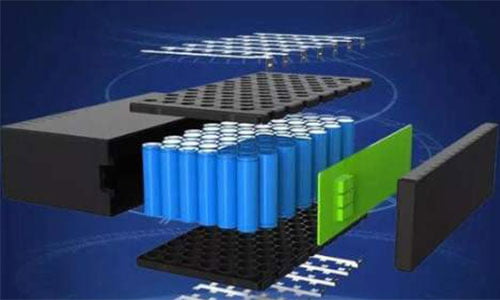
Series-Parallel Arrangement
For typical electric boat applications (24V-48V systems):
- 24V System: 8S configuration (8 cells in series)
- 48V System: 15S or 16S configuration
- Parallel Groups: Determined by capacity and discharge requirements
Thermal Management Strategies
Effective heat dissipation is essential for maintaining cell longevity:
- Air cooling: Suitable for low-power applications (<5kW)
- Liquid cooling: Recommended for high-power propulsion systems
- Phase change materials: Emerging technology for passive thermal regulation
Quality Assurance and Certification Standards
Professional marine battery suppliers must comply with international standards:
- UN38.3: Transportation safety for lithium batteries
- IEC62619: Safety requirements for secondary lithium cells
- UL2580: Batteries for use in electric vehicles
- ISO9001: Quality management systems
- CE/ROHS: European compliance requirements
For verified manufacturers meeting these standards, explore battery manufacturers in China with proven track records in marine applications.
Procurement Guidelines for Technical Buyers
When sourcing 26650 cells for electric boat projects, consider:
- Request detailed specification sheets including discharge curves and cycle life data
- Verify certification documentation for target markets
- Evaluate sample batches before large-scale procurement
- Assess supplier technical support capabilities for integration assistance
- Confirm warranty terms and after-sales service availability
For comprehensive product specifications and technical consultation, visit our cylindrical battery cell catalog featuring marine-grade 26650 solutions.
Conclusion: Partnering for Marine Electrification Success
The 26650 battery cell represents a mature, reliable technology platform for electric boat propulsion systems. When properly engineered with appropriate chemistry selection, thermal management, and BMS integration, these cells deliver the performance, safety, and longevity required for commercial and recreational marine applications.
CNS BATTERY specializes in providing high-quality 26650 cylindrical cells engineered specifically for demanding marine environments. Our technical team supports engineers and procurement professionals throughout the design, integration, and deployment phases.
For technical inquiries, customization requests, or partnership opportunities, please contact us at: https://cnsbattery.com/contact-2/
Together, we can accelerate the transition to sustainable marine transportation through reliable, high-performance battery solutions.
Keywords: 26650 battery cell, electric boat battery, marine lithium battery, LiFePO4 26650, cylindrical battery cell, boat propulsion system, battery manufacturer China, marine battery pack, lithium battery specifications, electric marine propulsion