
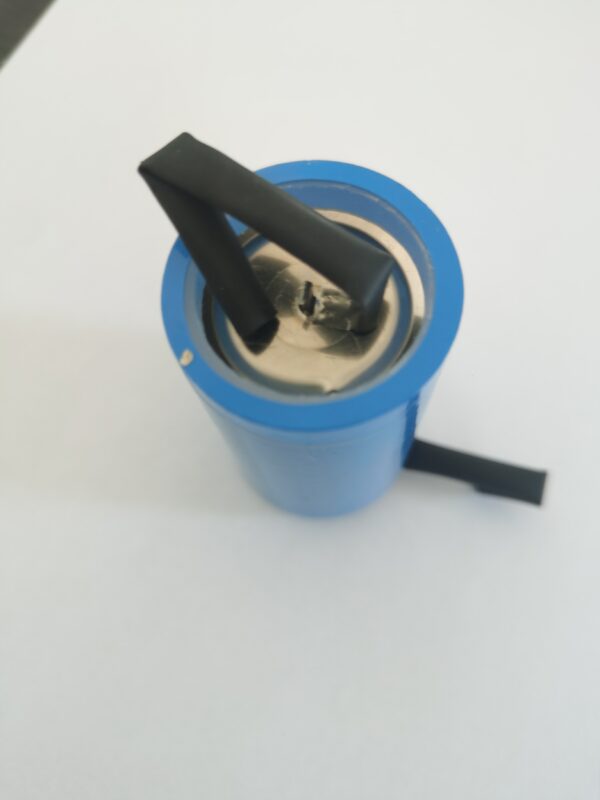
2600mAh High Capacity Li-MnO₂ CR123A Battery: Technical Overview for Industrial Applications
The 2600mAh High Capacity Li-MnO₂ CR123A Battery represents a significant advancement in primary lithium battery technology, delivering exceptional energy density and reliable performance for demanding industrial applications. As engineers and technical procurement specialists evaluate power solutions for critical systems, understanding the technical specifications, electrochemical principles, and application suitability of this battery chemistry becomes essential for informed decision-making.
Understanding Li-MnO₂ Battery Chemistry
Lithium-manganese dioxide (Li-MnO₂) batteries belong to the primary lithium battery family, utilizing lithium metal as the anode and manganese dioxide as the cathode. The electrochemical reaction follows this fundamental principle:
Anode: Li → Li⁺ + e⁻
Cathode: MnO₂ + Li⁺ + e⁻ → LiMnO₂
Overall: Li + MnO₂ → LiMnO₂
This chemistry delivers a nominal voltage of 3.0V, with an operating voltage range typically between 2.0V to 3.3V depending on load conditions and discharge rates. The 2600mAh capacity specification indicates substantial energy storage capability within the compact CR123A form factor (17mm diameter × 34.5mm length), making it ideal for space-constrained applications requiring extended operational life.
Key Technical Advantages
Superior Energy Density
The 2600mAh capacity represents approximately 30-40% higher energy density compared to standard CR123A batteries typically rated at 1500-1800mAh. This enhancement stems from optimized electrode composition, improved electrolyte formulations, and advanced manufacturing processes that maximize active material utilization while maintaining structural integrity.
Extended Shelf Life
Li-MnO₂ chemistry exhibits exceptional storage characteristics, with self-discharge rates typically below 1% per year at ambient temperatures. This translates to 10-year shelf life specifications, ensuring battery performance remains within specification even after prolonged storage periods—a critical consideration for emergency systems, backup power applications, and inventory management.
Wide Operating Temperature Range
These batteries maintain reliable performance across temperature extremes from -40°C to +85°C, though optimal performance occurs between -20°C to +60°C. The electrolyte composition and separator materials are engineered to prevent freezing at low temperatures while maintaining thermal stability under elevated temperature conditions.
Low Internal Resistance
Advanced cell design minimizes internal resistance, typically achieving values below 15 ohms for fresh cells. This characteristic enables efficient power delivery during pulse discharge applications, making these batteries suitable for wireless sensors, security systems, and IoT devices requiring periodic high-current bursts.
Application Considerations for Engineering Teams
Load Profile Analysis
Engineers must evaluate discharge patterns when selecting the 2600mAh CR123A variant. Continuous low-current applications (below 10mA) maximize capacity utilization, while high-current pulse applications require careful assessment of voltage depression and recovery characteristics. The battery’s capacity rating assumes standard discharge conditions; actual delivered capacity varies based on load profile, temperature, and end-voltage cutoff specifications.
Safety and Compliance
Primary lithium batteries require adherence to transportation regulations (UN38.3, IATA Dangerous Goods) and application-specific safety standards. Proper circuit design should incorporate over-discharge protection, short-circuit prevention, and thermal management considerations. While Li-MnO₂ chemistry demonstrates excellent safety characteristics compared to rechargeable lithium-ion alternatives, engineering teams must still implement appropriate safeguards.
Cost-Benefit Evaluation
Technical procurement specialists should evaluate total cost of ownership rather than unit price alone. The extended service life of 2600mAh high-capacity variants often reduces maintenance frequency, replacement labor costs, and system downtime—factors that frequently outweigh initial price premiums in industrial applications.
Quality Assurance and Supplier Selection
When sourcing 2600mAh Li-MnO₂ CR123A batteries, verify manufacturer certifications (ISO9001, ISO14001), request batch testing documentation, and confirm warranty terms. Reputable suppliers provide comprehensive technical datasheets, safety documentation, and application support. For detailed product specifications and technical consultation, visit Primary Battery Product Range.
Conclusion
The 2600mAh High Capacity Li-MnO₂ CR123A Battery delivers compelling performance advantages for industrial applications requiring reliable, long-life primary power sources. Understanding the underlying electrochemistry, application requirements, and quality considerations enables engineering teams and procurement specialists to make informed decisions that optimize system performance and total cost of ownership.
For technical inquiries, customization requirements, or bulk procurement discussions, contact our engineering support team at Contact Us. Our team provides application-specific guidance to ensure optimal battery selection for your project requirements.
