
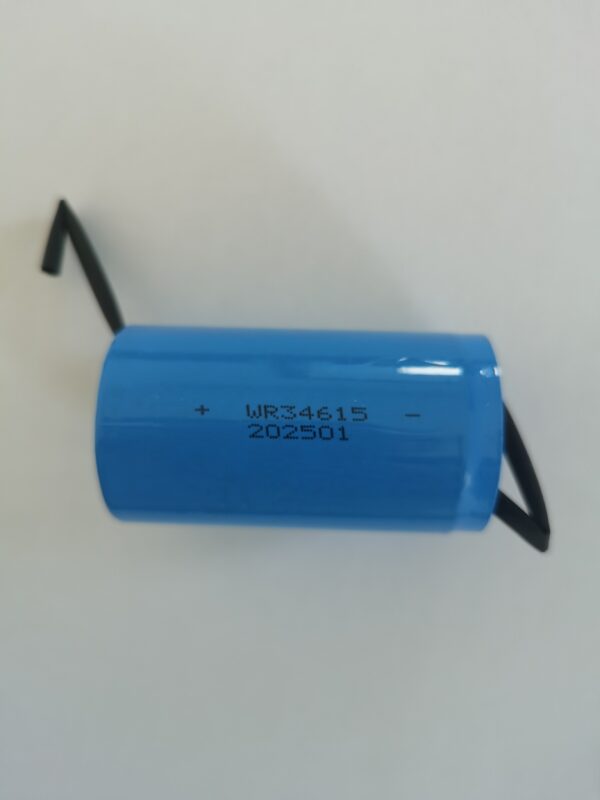
2400mAh High Capacity Li-SOCl₂ AA Size Battery: Technical Deep-Dive for Global Engineering Teams
The 2400mAh High Capacity Li-SOCl₂ AA Size Battery represents the pinnacle of primary lithium battery technology, delivering exceptional energy density and reliability for mission-critical applications. As industrial IoT, medical devices, and remote monitoring systems demand longer operational lifespans, understanding the technical architecture behind this 3.6V lithium thionyl chloride power source becomes essential for engineers and technical procurement specialists worldwide.
Core Technical Architecture Breakdown
Electrochemical Foundation
Li-SOCl₂ batteries operate on a lithium metal anode and thionyl chloride cathode system, producing a nominal voltage of 3.6V—significantly higher than alkaline alternatives. The 2400mAh capacity in AA form factor (ER14505 equivalent) achieves energy densities exceeding 590 Wh/kg, making it ideal for low-drain, long-duration applications. The bobbin-type construction minimizes self-discharge to less than 2% per year at 25°C, enabling 10+ year shelf life without significant capacity degradation.
Key Performance Parameters
| Parameter | Specification |
|---|---|
| Nominal Voltage | 3.6V |
| Rated Capacity | 2400mAh |
| Operating Temperature | -55°C to +85°C |
| Self-Discharge Rate | <2%/year at 25°C |
| Maximum Continuous Current | 60-80mA |
| Pulse Current Capability | Up to 100mA (with hybrid layer) |
The wide temperature tolerance stems from the liquid cathode’s superior ion mobility across extreme conditions, maintaining 95%+ capacity retention from -20°C to 60°C. This makes the battery suitable for outdoor metering, automotive telematics, and aerospace applications where temperature fluctuations are inevitable.
Testing Methodologies & Quality Assurance
Compliance Testing Framework
Global market access requires adherence to multiple certification standards. For European deployment, IEC 60086-4:2025 (6th Edition, released January 2025) establishes mandatory safety requirements for primary lithium batteries. This standard covers 22 test protocols including short-circuit, over-discharge, drop, thermal abuse, and crush testing. The 2025 revision introduced enhanced requirements for transportation safety and child-resistant packaging.
North American markets demand UL 1642 certification, focusing on cell-level safety under abnormal conditions. Additionally, UN 38.3 transportation testing is mandatory for international shipping, covering altitude simulation, thermal cycling, vibration, shock, external short circuit, impact, overcharge, and forced discharge scenarios.
Performance Validation Protocols
Reputable manufacturers implement multi-stage testing:
- Capacity Verification: Discharge at 0.2mA to 2.0V cutoff at 20°C
- Temperature Cycling: 10 cycles between -40°C and +70°C with capacity measurement
- Long-term Storage: 12-month ambient storage with quarterly capacity checks
- Pulse Load Testing: Simulated IoT transmission profiles (100mA/100ms pulses)
Advanced manufacturers employ statistical process control (SPC) with Cpk values exceeding 1.67 for critical parameters, ensuring batch-to-batch consistency essential for fleet deployments.
Regional Compliance & Market Accessibility
European Union Requirements
EU market entry necessitates CE marking with full technical documentation per IEC 60086-4:2025. The updated standard emphasizes traceability and risk assessment documentation. RoHS compliance confirms restricted substance levels below threshold limits, while REACH registration addresses chemical safety for substances exceeding 1 ton/year import volumes.
United States Market Standards
US distribution requires UL certification marks and compliance with DOT 49 CFR 173.185 for lithium battery transportation. California Proposition 65 warnings may apply depending on manufacturing processes. For government procurement, additional DFARS restrictions on foreign-sourced components must be evaluated.
CNS Product Technical Barriers & Geographic Adaptation
Manufacturers like CNS Battery have developed region-specific product variants addressing distinct regulatory landscapes. Their primary battery portfolio demonstrates compliance across multiple jurisdictions through dedicated testing partnerships with TÜV, UL, and Intertek laboratories. This multi-certification approach reduces time-to-market for global deployments while maintaining consistent quality standards.
For detailed technical specifications and certification documentation, visit https://cnsbattery.com/primary-battery/. Engineering teams requiring custom configurations or bulk procurement should contact the technical sales team at https://cnsbattery.com/primary-battery-contact-us/ for region-specific compliance guidance.
Selection Criteria for Engineering Teams
When specifying 2400mAh Li-SOCl₂ AA batteries, consider:
- Application discharge profile: Continuous vs. pulse loading affects usable capacity
- Environmental exposure: Temperature extremes may require specialized electrolyte formulations
- Regulatory timeline: IEC 60086-4:2025 compliance becomes mandatory for EU imports in 2026
- Supply chain resilience: Multi-source qualification reduces procurement risk
The 2400mAh Li-SOCl₂ AA battery continues to dominate applications requiring decade-long autonomy without maintenance. As IoT deployments scale globally, selecting certified, region-compliant power sources becomes a strategic differentiator for product reliability and market access.
Technical specifications subject to manufacturer verification. Always request current certification documentation before finalizing procurement decisions.
