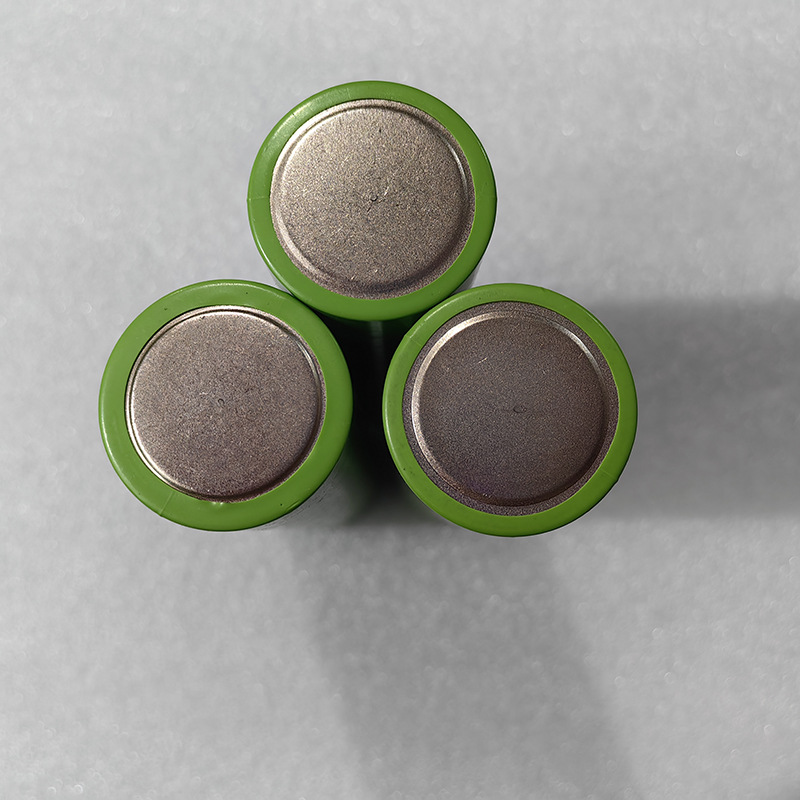
21700 Lithium Battery Wholesale – Minimal Capacity Fade for EV 2026
The electric vehicle industry in 2026 demands battery solutions that deliver exceptional longevity and minimal capacity degradation. As a professional lithium battery manufacturer, we understand that 21700 lithium battery wholesale procurement requires careful evaluation of capacity retention rates, cycle life performance, and technical specifications that directly impact EV operational efficiency.
Understanding Capacity Fade in 21700 Cells
Capacity fade remains the critical metric for EV battery evaluation. Modern 21700 cylindrical cells have achieved significant breakthroughs in maintaining over 85% capacity retention after 2,000+ cycles under standard operating conditions. This represents a substantial improvement from previous generations, where capacity degradation accelerated noticeably after 1,000 cycles.
The fundamental mechanisms driving capacity fade include SEI (Solid Electrolyte Interphase) layer growth, lithium plating during fast charging, and structural degradation of cathode materials. Advanced 21700 cells now incorporate optimized electrolyte formulations and coating technologies that significantly slow these degradation processes.
Key Technical Specifications for 2026 EV Applications
When sourcing 21700 batteries for EV applications, B2B buyers should prioritize these essential parameters:
Energy Density: Premium 21700 cells now deliver 280-325 Wh/kg, providing approximately 35% more energy than comparable 18650 formats while maintaining excellent thermal management characteristics.
Cycle Life Performance: Top-tier manufacturers guarantee 2,000-3,000 full cycles with less than 20% capacity loss. This translates to 8-10 years of reliable EV operation under normal usage patterns.
Thermal Stability: Advanced cell designs operate efficiently across -20°C to 60°C temperature ranges, crucial for diverse geographic deployments.
Internal Resistance: Low-resistance designs (below 3mΩ) minimize heat generation during high-current operations, directly contributing to reduced capacity fade rates.
Wholesale Procurement Considerations
For volume purchasers evaluating battery manufacturers in China, several factors determine long-term partnership success:
Quality Certification: Ensure suppliers maintain ISO 9001, IATF 16949, and UN 38.3 certifications. These standards verify manufacturing consistency and safety compliance essential for automotive applications.
Capacity Consistency: Premium wholesale suppliers guarantee capacity matching within ±2% across production batches, critical for battery pack balancing and longevity.
Technical Support: Leading manufacturers provide comprehensive BMS integration support, thermal modeling assistance, and application engineering resources.
2026 Market Dynamics and Supply Chain Stability
The global lithium battery market continues expanding, with China maintaining approximately 83% of worldwide production capacity. This concentration offers wholesale buyers access to mature supply chains, competitive pricing, and established quality control systems. However, diversification across multiple qualified suppliers remains prudent for risk management.
Our cylindrical battery cell production facilities implement automated manufacturing processes with real-time quality monitoring, ensuring consistent performance across large-volume orders. Each production batch undergoes rigorous testing including capacity verification, internal resistance measurement, and cycle life validation.
Minimizing Capacity Fade: Best Practices
Beyond cell selection, proper system design significantly impacts long-term capacity retention:
Operating Temperature Management: Maintaining cell temperatures between 15-35°C during operation and charging optimizes longevity. Active thermal management systems prove essential for high-performance EV applications.
Charging Strategy: Limiting maximum charge voltage to 4.15V instead of 4.2V can extend cycle life by 30-40% with minimal capacity sacrifice. Smart BMS algorithms should implement adaptive charging based on cell age and temperature.
Depth of Discharge: Operating within 20-80% state-of-charge ranges rather than full 0-100% cycles significantly reduces degradation rates.
Partnership Framework for Wholesale Buyers
Establishing long-term supply relationships with qualified manufacturers ensures consistent quality, priority allocation during high-demand periods, and collaborative technical development. Our team provides comprehensive support from initial specification review through production scaling and ongoing quality assurance.
For detailed technical consultations and wholesale pricing information, please contact us to discuss your specific EV application requirements. We offer customized solutions including cell matching services, pack design support, and volume-based pricing structures that align with your production timelines.
Conclusion
The 2026 EV market demands 21700 lithium batteries that combine high energy density with exceptional capacity retention. By partnering with experienced manufacturers who prioritize quality control, technical innovation, and supply chain reliability, B2B buyers can secure battery solutions that deliver optimal total cost of ownership throughout vehicle lifecycles. Minimal capacity fade translates directly to extended warranty periods, reduced replacement costs, and enhanced end-customer satisfaction—critical competitive advantages in today’s evolving electric mobility landscape.