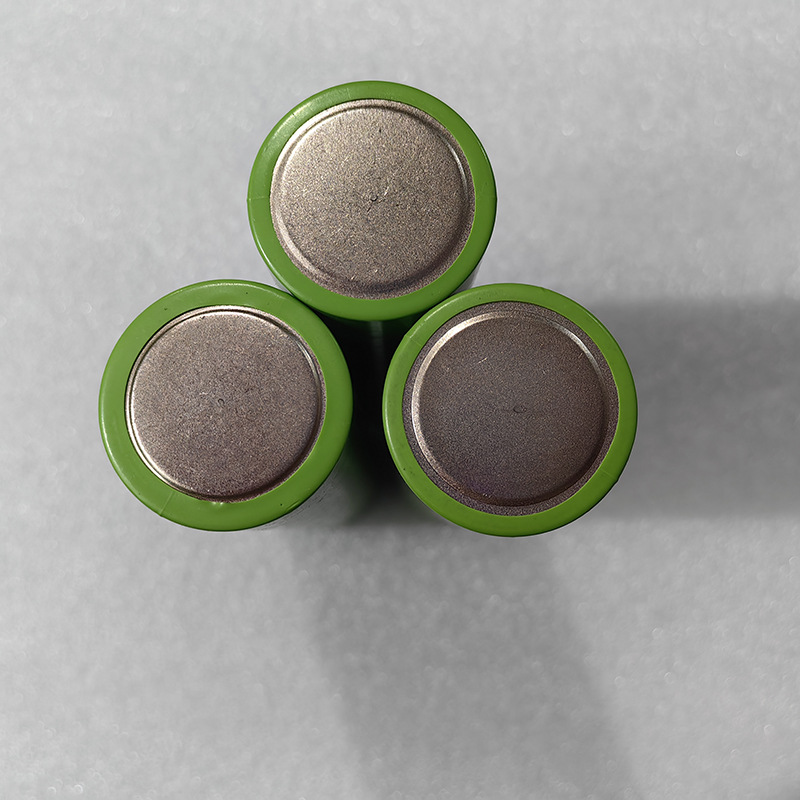
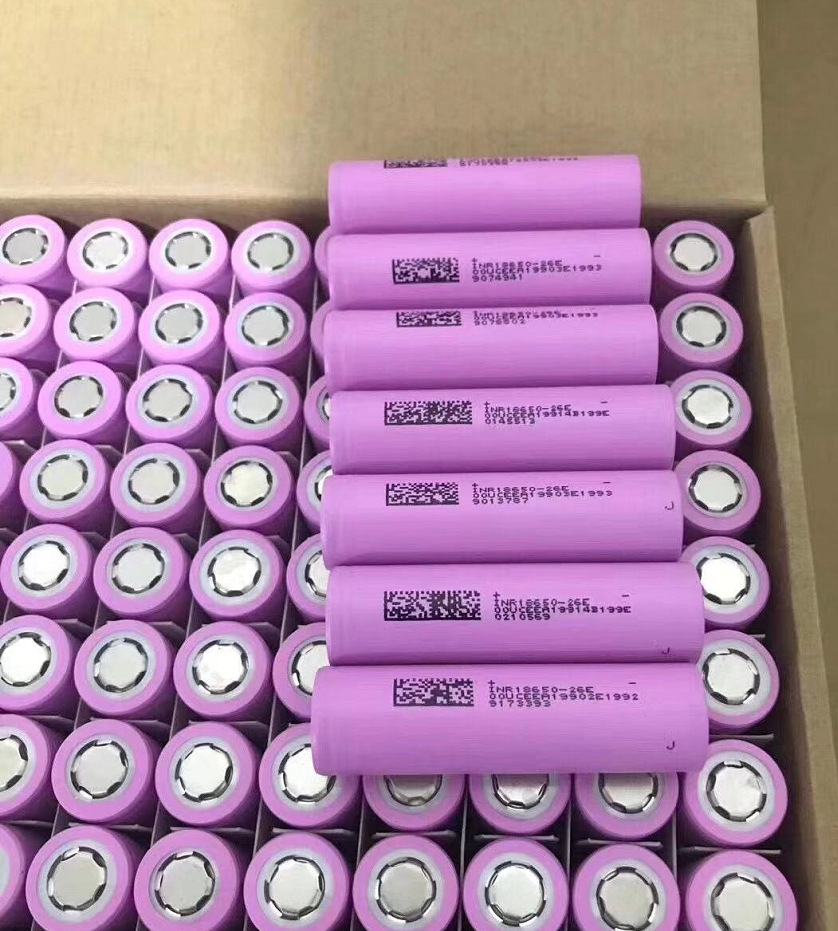
21700 LFP Battery Cell 3000mAh | Deep Cycle CNS BATTERY
Introduction: The Strategic Choice for Deep Cycle Applications
In the evolving landscape of lithium battery technology, the 21700 LFP (Lithium Iron Phosphate) Battery Cell 3000mAh represents a critical balance between performance, safety, and cost-effectiveness for deep cycle applications. As battery manufacturers and technical procurement specialists evaluate power solutions for energy storage systems, electric mobility, and industrial equipment, understanding the technical merits of LFP chemistry in the 21700 form factor becomes essential for informed decision-making.
Technical Architecture and Cell Specifications
The 21700 designation refers to the standardized cylindrical cell dimensions: 21mm diameter × 70mm height. This form factor, initially popularized by Tesla and Panasonic, has become an industry standard offering approximately 50% more volume compared to the legacy 18650 cells, enabling enhanced capacity and thermal management capabilities.
Key Technical Parameters:
| Parameter | Specification |
|---|---|
| Nominal Voltage | 3.2V (LFP chemistry) |
| Rated Capacity | 3000mAh |
| Charging Cut-off Voltage | 3.65V |
| Discharging Cut-off Voltage | 2.5V |
| Cycle Life | 2000-5000+ cycles |
| Operating Temperature | -20°C to +60°C |
| Thermal Runaway Temperature | >800°C |
The 3000mAh capacity positions this cell in the lightweight adaptation category within the 21700 family. While higher-capacity variants (4000-5000mAh) exist, the 3000mAh version offers distinct advantages for applications prioritizing weight optimization, cost efficiency, and supply chain stability without compromising the standardized 21700 compatibility.
LFP Chemistry: Deep Cycle Performance Advantages
1. Exceptional Cycle Longevity
Lithium Iron Phosphate chemistry delivers superior deep cycle performance compared to NCM (Nickel Cobalt Manganese) alternatives. The olivine crystal structure of LiFePO₄ provides remarkable structural stability during repeated lithium-ion intercalation and de-intercalation processes. This translates to 2000-5000+ full charge-discharge cycles while maintaining 80% capacity retention, significantly outperforming ternary lithium counterparts which typically achieve 800-1500 cycles.
For B2B applications requiring long-term reliability—such as solar energy storage, UPS systems, and electric fleet vehicles—this extended cycle life directly reduces total cost of ownership (TCO) and minimizes replacement frequency.
2. Thermal Stability and Safety Profile
Safety remains paramount in commercial battery deployments. LFP cells demonstrate thermal runaway temperatures exceeding 800°C, substantially higher than NCM chemistry (approximately 200-300°C). The strong phosphorus-oxygen bonds in the LiFePO₄ structure resist decomposition even under overcharge, short-circuit, or elevated temperature conditions.
This inherent safety characteristic reduces the complexity and cost of battery management systems (BMS), making 21700 LFP cells particularly suitable for applications where thermal events pose significant operational risks.
3. Deep Cycle Optimization
The 3000mAh capacity variant excels in deep discharge scenarios where batteries regularly operate between 20-100% depth of discharge (DOD). Unlike high-energy-density chemistries that degrade rapidly under deep cycling, LFP maintains structural integrity throughout extended discharge periods. This makes the 21700 LFP 3000mAh cell ideal for:
- Renewable energy storage systems requiring daily full cycles
- Electric material handling equipment (forklifts, pallet jacks)
- Marine and RV auxiliary power systems
- Backup power infrastructure
Manufacturing Considerations for B2B Procurement
When evaluating battery manufacturers in China, technical procurement teams should verify several critical quality indicators:
Production Process Standards:
- Water-based slurry processing for anode materials (CMC/SBR binders)
- High-pressure compaction for electrode density optimization
- Carbon coating technology for enhanced conductivity
- Automated cell assembly with precision welding
Certification Requirements:
Ensure suppliers provide comprehensive documentation including MSDS, UN38.3, IEC62133, RoHS, and relevant regional certifications (KC, PSE, CB) for target markets.
Integration and System Design
The standardized 21700 dimensions facilitate seamless integration into existing battery pack architectures. System designers can leverage established module configurations (3S4P, 4S3P, etc.) while benefiting from LFP’s flat discharge voltage curve (~3.2V nominal), which simplifies state-of-charge (SOC) estimation algorithms.
For custom applications requiring specific voltage and capacity configurations, exploring the full range of cylindrical battery cell options enables optimized pack design without compromising cell-level performance characteristics.
Cost-Performance Analysis
While LFP cells typically exhibit 10-15% lower volumetric energy density compared to premium NCM variants, the 30% lower raw material cost (eliminating cobalt and reducing nickel content) combined with extended cycle life delivers superior economics over the battery’s operational lifetime. For deep cycle applications where weight is secondary to longevity and safety, the 21700 LFP 3000mAh represents the optimal value proposition.
Conclusion: Strategic Partnership for Battery Solutions
Selecting the right battery cell extends beyond technical specifications—it requires a manufacturing partner committed to quality consistency, supply chain reliability, and ongoing technical support. The 21700 LFP Battery Cell 3000mAh from CNS BATTERY combines proven chemistry, standardized form factor, and deep cycle optimization for demanding B2B applications.
For technical consultations, custom pack development, or volume procurement inquiries, our engineering team stands ready to support your project requirements. Visit our contact page to initiate discussions with our battery specialists and explore how CNS BATTERY can power your next-generation energy solutions.
Technical specifications subject to verification with latest product datasheets. All performance metrics based on standard testing conditions (25°C, 0.5C charge/discharge rate).