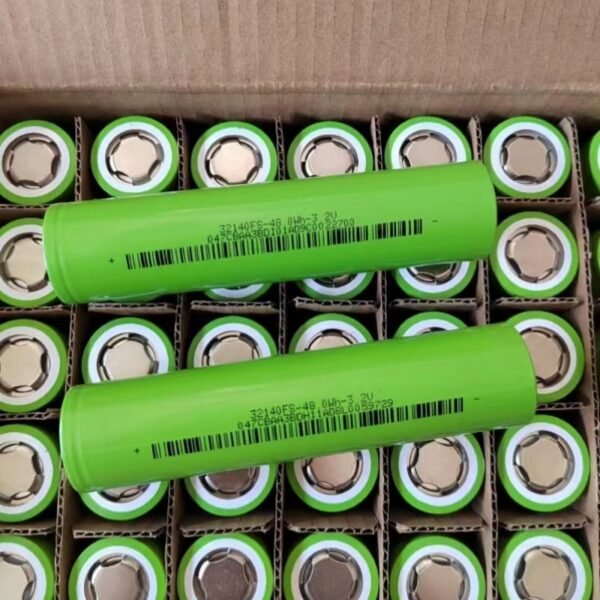
21700 Battery for Power Tool Packs – Buyer Checklist
The 21700 lithium battery has emerged as the preferred power solution for professional power tool packs, offering superior energy density and discharge capabilities compared to legacy 18650 cells. For B2B buyers sourcing battery packs for power tool applications, understanding critical technical specifications and compliance requirements is essential for making informed procurement decisions. This checklist provides a comprehensive framework for evaluating 21700 battery pack suppliers and ensuring product quality.
1. Cell Specifications and Performance Parameters
The foundation of any quality power tool battery pack lies in the individual 21700 cells. Buyers should verify the following specifications:
Capacity Range: Premium 21700 cells for power tools typically offer 4000-5000mAh capacity at 3.6V nominal voltage. Higher capacity translates to extended runtime between charges, a critical factor for professional users.
Continuous Discharge Rate: Power tools demand high current delivery. Look for cells supporting 15A-30A continuous discharge with pulse capabilities up to 40A-50A. Insufficient discharge ratings lead to voltage sag and reduced tool performance under load.
Energy Density: The 21700 format provides approximately 47% more volume than 18650 cells, enabling energy densities around 300Wh/kg compared to 250Wh/kg for older formats. This improvement directly impacts tool runtime and weight balance.
Cycle Life: Quality 21700 cells should maintain 80% capacity after 500-1000 full charge cycles under proper operating conditions. Request cycle life test data from suppliers.
For detailed cylindrical cell specifications, visit our cylindrical battery cell product page.
2. Battery Management System (BMS) Requirements
A robust BMS is non-negotiable for power tool battery packs. The system must provide:
Cell Balancing: Active or passive balancing ensures all cells maintain equal voltage during charge/discharge cycles, preventing individual cell degradation and extending pack lifespan.
Protection Functions: The BMS must include over-charge protection, over-discharge protection, short-circuit protection, and over-current protection. Temperature monitoring with thermal cutoff is essential for high-drain applications.
Communication Interface: Smart BMS with UART, I2C, or CAN bus enables real-time monitoring of pack status, remaining capacity, and fault diagnostics. This feature supports predictive maintenance and enhances user safety.
Current Rating: Verify the BMS continuous current rating matches or exceeds the maximum tool draw. Undersized BMS components create bottlenecks and potential failure points.
3. Safety Certifications and Compliance
International market access requires specific certifications. Buyers must confirm:
UN38.3 Certification: This mandatory transport safety standard includes eight tests covering altitude simulation, thermal cycling, vibration, shock, external short circuit, impact, overcharge, and forced discharge. Without UN38.3 documentation, battery packs cannot be shipped via air or sea freight.
IEC62133: This international safety standard covers secondary lithium cells and batteries for portable applications. IEC62133 compliance demonstrates adherence to rigorous safety testing protocols.
Regional Certifications: Depending on target markets, additional certifications may include UL2054 (North America), CE-EMC (Europe), KC (Korea), and PSE (Japan). Request valid certification documents with matching model numbers.
MSDS Documentation: Material Safety Data Sheets provide essential handling, storage, and emergency response information required by logistics providers and regulatory authorities.
4. Pack Construction and Quality Control
Physical construction quality directly impacts reliability and safety:
Cell Matching: Cells within a pack should be matched for capacity, internal resistance, and voltage. Poor matching accelerates degradation and increases failure risk.
Welding Quality: Laser welding or ultrasonic welding provides superior connections compared to spot welding. Request cross-section samples to verify weld penetration and consistency.
Housing Design: Impact-resistant ABS or PC housings with proper IP rating protect internal components from dust, moisture, and mechanical damage. Ergonomic design ensures compatibility with existing tool platforms.
Thermal Management: Adequate spacing between cells and ventilation channels prevent heat buildup during high-current operation. Some premium packs incorporate thermal pads or cooling elements.
5. Supplier Verification and After-Sales Support
Partner selection extends beyond product specifications:
Manufacturing Capability: Verify production capacity, quality control systems, and traceability procedures. ISO9001 certification indicates established quality management practices.
Warranty Terms: Standard warranties range from 12-24 months covering manufacturing defects. Clarify warranty claim procedures and replacement timelines.
Technical Support: Responsive engineering support assists with integration challenges and troubleshooting. Evaluate supplier communication responsiveness during the quotation process.
Customization Options: Leading manufacturers offer custom voltage configurations, capacity options, and connector types to match specific tool requirements.
For verified battery manufacturing partners in China, explore our directory of battery manufacturers in China.
Conclusion
Selecting the right 21700 battery pack for power tool applications requires systematic evaluation of cell specifications, BMS functionality, safety certifications, construction quality, and supplier capabilities. This checklist serves as a foundational framework for B2B buyers to minimize procurement risks and ensure product reliability.
For further consultation on 21700 battery pack solutions or to request technical documentation, please contact our team. Our engineering specialists provide customized recommendations based on your specific power tool requirements and target market regulations.
Investing time in thorough supplier evaluation upfront prevents costly issues downstream. Quality 21700 battery packs deliver consistent performance, enhanced safety, and superior total cost of ownership for professional power tool applications.