

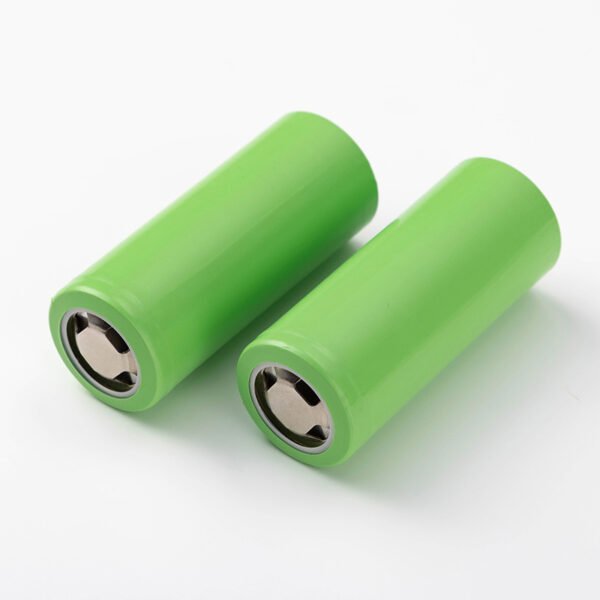
21700 Battery Cell REACH Approved | Europe Use CNS BATTERY
Navigating EU Compliance for High-Performance Cylindrical Lithium Cells
The European battery market in 2026 demands more than just performance—it requires comprehensive regulatory compliance. For engineering teams and technical procurement specialists sourcing 21700 battery cells for European applications, REACH approval has become the critical gateway to market access. CNS BATTERY delivers fully certified 21700 cylindrical cells engineered specifically for EU regulatory frameworks, combining technical excellence with documented compliance.
Why REACH Certification Matters for 21700 Cells in Europe
The EU’s REACH regulation (Registration, Evaluation, Authorization and Restriction of Chemicals) represents the world’s most stringent chemical management system. As of 2025, the SVHC (Substances of Very High Concern) candidate list has expanded to 250 substances, with enforcement shifting from simple declaration to dynamic supply chain accountability. For lithium battery importers, this means every component—from cathode materials to electrolyte formulations—must be traceable and compliant.
CNS BATTERY’s 21700 cells undergo rigorous testing protocols aligned with ECHA requirements, ensuring zero restricted substances exceed the 0.1% weight threshold. This compliance extends beyond initial certification to ongoing documentation updates, critical for the 2026 Battery Passport requirements affecting industrial batteries above 2kWh capacity.
Technical Parameters: Performance Meets Compliance
Core Specifications
| Parameter | Specification |
|---|---|
| Dimensions | 21mm diameter × 70mm length |
| Nominal Capacity | 4,000-6,000mAh |
| Nominal Voltage | 3.6V-3.7V |
| Charge Cut-off | 4.2V |
| Discharge Cut-off | 2.5V |
| Weight | 65-72g |
| Energy Density | Up to 273Wh/kg |
Advanced Cell Architecture
CNS BATTERY’s 21700 cells incorporate all-tab technology, reducing internal resistance to approximately 5mΩ. This design enables:
- 1C charging within 80 minutes
- 45A discharge with 40% reduced temperature rise
- 1,000+ cycle life at 80% capacity retention
The NCM/NCA material systems are formulated without SVHC-listed compounds, maintaining performance while meeting REACH Annex XVII restrictions on cobalt compounds and solvent formulations.
Testing Methodologies: Validating Compliance and Performance
REACH SVHC Screening
Comprehensive testing follows ECHA’s 2025 guidelines:
- Metallic components: 73-item analysis (including coatings and solder materials)
- Non-metallic components: 255-item full compliance screening
- Electrolyte verification: GC-MS analysis for restricted organic solvents
Performance Validation
IEC 62133 and UN 38.3 testing protocols ensure:
- Thermal stability under -20°C to 60°C operating ranges
- Mechanical integrity through vibration and shock testing
- Electrical safety via overcharge, short-circuit, and crush tests
All test reports maintain full traceability for EU customs documentation and Battery Passport data requirements.
CNS BATTERY: Technical Barriers and Regional Adaptability
EU-Specific Engineering Advantages
CNS BATTERY’s manufacturing facilities implement closed-loop material tracking systems, enabling real-time SVHC monitoring across the supply chain. This infrastructure provides:
- Dynamic compliance updates as SVHC lists expand quarterly
- Batch-level documentation for customs clearance acceleration
- Battery Passport ready data architecture for 2027 mandatory requirements
Multi-Regional Certification Framework
Beyond REACH, CNS BATTERY’s 21700 cells support:
- US standards: UL 1642, UL 2054 compliance available
- Transport certification: UN 38.3, IATA DGR packaging
- Environmental directives: RoHS, WEEE, and EU Battery Regulation 2023/1542 alignment
This multi-certification approach eliminates the need for region-specific cell variants, reducing procurement complexity for global OEMs.
Supply Chain Transparency
For European technical buyers, CNS BATTERY provides:
- Full material declaration (FMD) documentation
- Conflict minerals compliance reports
- Carbon footprint data aligned with EU Battery Regulation Article 76
Strategic Procurement Considerations
When evaluating 21700 cells for European deployment, procurement teams should prioritize:
- Documented REACH compliance with current SVHC screening (250+ substances)
- Battery Passport readiness for 2026-2027 data requirements
- Technical support for integration and regulatory documentation
- Supply chain resilience with EU-compliant logistics partners
CNS BATTERY’s cylindrical battery cell portfolio delivers these requirements through vertically integrated manufacturing and dedicated compliance teams.
Conclusion: Compliance as Competitive Advantage
The 2026 European battery market rewards manufacturers who treat regulatory compliance as a core engineering parameter, not an afterthought. CNS BATTERY’s REACH-approved 21700 cells demonstrate that technical performance and regulatory adherence are mutually reinforcing—not competing—objectives.
For engineering teams evaluating battery suppliers, the question isn’t whether cells meet performance specifications, but whether they carry the documentation infrastructure required for sustained European market access. CNS BATTERY provides both, backed by comprehensive testing, transparent supply chains, and proactive regulatory monitoring.
Ready to evaluate REACH-compliant 21700 cells for your European projects? Explore our full battery manufacturer capabilities and contact our technical team for compliance documentation and sample requests.
Target Markets: Germany, France, Netherlands, Poland, Italy, Spain | Compliance Standards: REACH, EU Battery Regulation 2023/1542, IEC 62133, UN 38.3 | Application Sectors: E-mobility, Energy Storage, Power Tools, Industrial Equipment

