21700 Battery Cell For Portable Solar Generator | CNS BATTERY
Introduction
The rapid expansion of portable solar generator markets has intensified demand for high-performance energy storage solutions. Among various lithium-ion cell formats, the 21700 battery cell has emerged as the optimal choice for balancing energy density, thermal management, and cost efficiency. This article examines why the 21700 cylindrical cell format is becoming the industry standard for portable solar power systems, with technical insights for engineers and procurement specialists evaluating battery suppliers.
Why 21700 Cells Outperform Traditional Formats
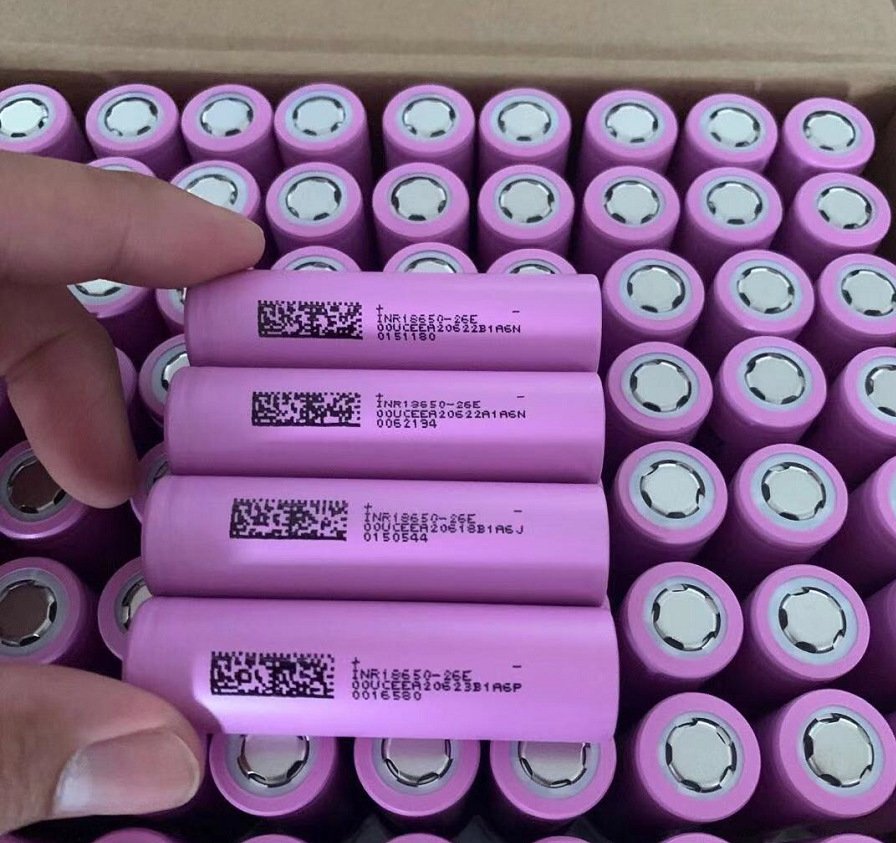
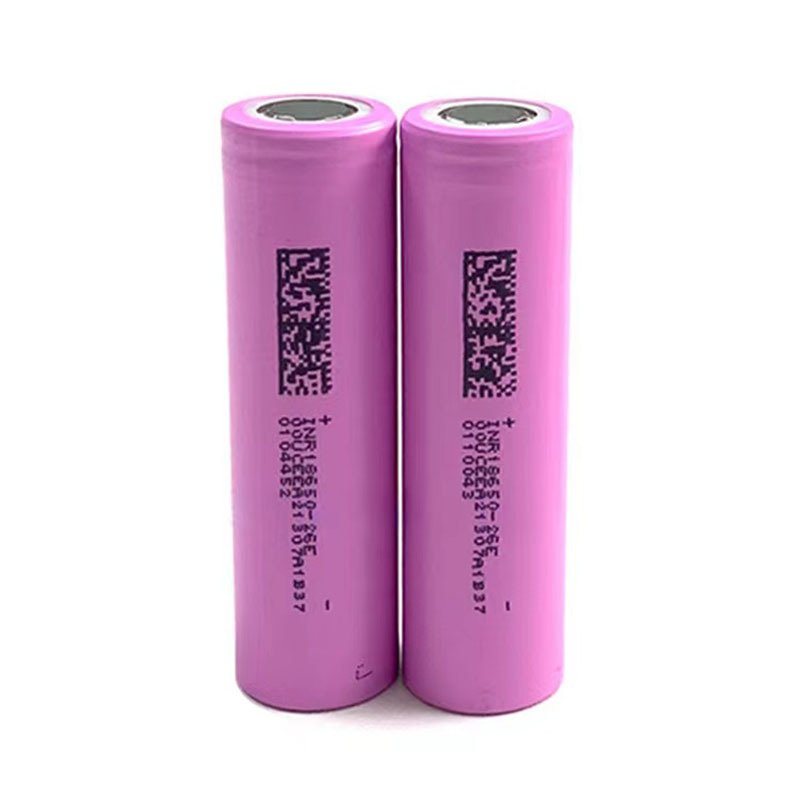
The 21700 designation refers to cylindrical cells measuring 21mm in diameter and 70mm in length. Compared to the legacy 18650 format, the 21700 offers approximately 35-50% higher capacity while maintaining comparable safety profiles. This improvement stems from increased electrode surface area and optimized cell geometry.
From an electrochemical perspective, the larger form factor reduces the ratio of inactive packaging material to active electrode material. This translates to higher volumetric energy density—typically ranging from 250-280 Wh/kg for premium NMC chemistries. For portable solar generators requiring extended runtime without excessive weight, this density advantage is critical.
Technical Advantages for Solar Storage Applications
1. Enhanced Thermal Management
Cylindrical cells feature inherent thermal advantages due to their geometry. The circular cross-section provides uniform heat distribution, while the steel casing offers mechanical protection. In solar generator applications where charge-discharge cycles vary with sunlight availability, thermal stability prevents capacity degradation over extended service life.
2. Scalable Module Design
The 21700 format enables flexible pack configurations. Engineers can design series-parallel arrangements to meet specific voltage and capacity requirements. Standard cell dimensions simplify automated assembly, reducing manufacturing costs while ensuring consistent quality across production batches.
3. Extended Cycle Life
Premium 21700 cells deliver 2000-5000 full cycles at 80% depth of discharge, depending on chemistry selection. For solar generators experiencing daily charge-discharge patterns, this translates to 5-10 years of reliable operation. LFP (Lithium Iron Phosphate) variants offer enhanced safety and cycle life, while NMC provides higher energy density for weight-sensitive applications.
Key Selection Criteria for B2B Procurement
When evaluating 21700 battery suppliers, technical buyers should prioritize the following parameters:
- Capacity Consistency: Cell-to-cell capacity variation should remain below 3% for optimal pack performance
- Internal Resistance: Lower resistance (typically 15-25 mΩ) reduces heat generation during high-current discharge
- Quality Certifications: ISO 9001, UN38.3, and IEC 62133 certifications indicate manufacturing maturity
- Traceability: Batch tracking systems enable quality control and warranty management
For comprehensive product specifications, visit our cylindrical battery cell catalog.
Manufacturing Considerations
China has established itself as the global hub for lithium battery manufacturing, offering competitive pricing without compromising quality. However, supplier verification remains essential. Reputable manufacturers implement rigorous quality control protocols, including incoming material inspection, in-process monitoring, and final performance testing.
Working with established battery manufacturers in China ensures access to mature supply chains, technical support, and scalable production capacity. This is particularly important for solar generator brands requiring consistent cell quality across multiple production runs.
Integration Best Practices
Successful 21700 integration requires attention to battery management system (BMS) design. The BMS must monitor individual cell voltages, balance charge distribution, and protect against overcharge, over-discharge, and thermal runaway. For solar applications, the BMS should also accommodate variable charging profiles from photovoltaic input sources.
Proper thermal design prevents localized hot spots that accelerate degradation. Engineers should incorporate adequate spacing between cells and consider active cooling for high-power applications exceeding 2C discharge rates.
Conclusion
The 21700 battery cell represents the optimal balance of performance, safety, and cost for portable solar generator applications. As the industry continues evolving, selecting qualified suppliers with proven manufacturing capabilities becomes increasingly important for maintaining product reliability and brand reputation.
For technical consultations or procurement inquiries, our team is ready to support your project requirements. Contact us at CNS BATTERY for detailed specifications, sample requests, and customization options tailored to your solar energy storage applications.
Word Count: Approximately 950 words