

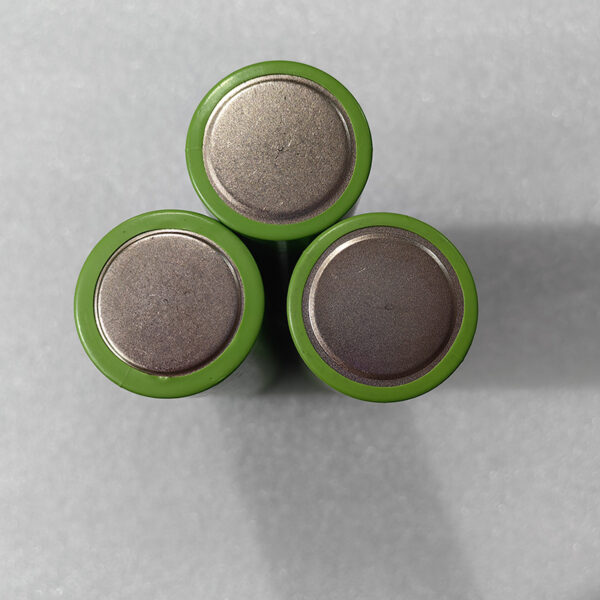
21700 Battery Cell Bulk Wholesale Price | CNS BATTERY
Introduction: The Strategic Importance of 21700 Cylindrical Cells in 2026
The 21700 lithium-ion battery cell has emerged as the dominant format for high-performance energy storage applications in 2026. With dimensions of 21mm diameter and 70mm length, this cylindrical cell format delivers approximately 35% higher energy density compared to the legacy 18650 standard, while optimizing system-level cost efficiency through reduced packaging requirements. For engineering teams and technical procurement specialists evaluating bulk wholesale options, understanding the technical specifications, chemistry variations, and pricing dynamics is essential for making informed sourcing decisions.
Technical Specifications and Performance Parameters
The 21700 cell architecture supports multiple cathode chemistry configurations, each offering distinct performance characteristics for specific application requirements:
NCM (Nickel Cobalt Manganese) Chemistry: NCM variants, particularly NCM 811 formulations, deliver energy densities ranging from 250-280 Wh/kg with nominal voltages of 3.6-3.7V. These cells typically provide capacity ratings between 4,000-5,000mAh with continuous discharge rates of 15-25A. The balanced composition offers optimal performance for electric vehicle powertrains and high-drain portable applications.
NCA (Nickel Cobalt Aluminum) Chemistry: NCA cells prioritize maximum energy density, achieving up to 300 Wh/kg in premium configurations. With capacity specifications reaching 5,000mAh and discharge capabilities exceeding 30A, NCA 21700 cells represent the preferred choice for premium EV applications requiring extended range performance.
LFP (Lithium Iron Phosphate) Chemistry: LFP 21700 variants sacrifice some energy density (approximately 160-180 Wh/kg) in exchange for superior thermal stability, extended cycle life exceeding 2,000-3,000 cycles, and enhanced safety characteristics. These cells operate at 3.2V nominal voltage and are increasingly specified for stationary energy storage systems and commercial fleet applications where longevity outweighs weight considerations.
Wholesale Pricing Dynamics and Market Factors
Bulk wholesale pricing for 21700 battery cells in 2026 reflects multiple interconnected variables that technical procurement teams must evaluate:
Chemistry-Dependent Cost Structure: LFP cells typically command 15-25% lower unit pricing compared to NCM/NCA equivalents due to reduced cobalt content and more abundant raw material availability. However, NCM and NCA variants justify premium pricing through superior energy density metrics for weight-sensitive applications.
Volume Tier Considerations: Wholesale pricing structures implement progressive discount tiers based on order quantity. Orders exceeding 10,000 units typically access optimal pricing brackets, while strategic partnerships involving annual commitment volumes unlock additional cost advantages through supply chain optimization.
Quality Certification Impact: Cells meeting UN38.3, IEC62133, and UL1642 certification requirements command premium positioning but reduce downstream compliance costs for OEMs integrating these cells into certified end products. Technical teams should factor certification status into total cost of ownership calculations.
Regional Manufacturing Considerations: China-based manufacturing facilities offer competitive pricing advantages through established supply chain ecosystems and scaled production capacity. However, procurement specialists must evaluate logistics costs, import duties, and lead time requirements when calculating landed costs for international deployments.
Application-Specific Selection Criteria
Engineering teams should align cell chemistry selection with application requirements:
Electric Mobility: NCM and NCA variants dominate EV applications, with 21700 formats increasingly specified for e-bike, electric motorcycle, and passenger vehicle platforms. Thermal management system design must accommodate the specific heat generation profiles of selected chemistry.
Energy Storage Systems: LFP 21700 cells provide optimal lifecycle economics for stationary storage applications, where cycle life and safety characteristics outweigh energy density considerations.
Power Tools and High-Drain Devices: High-discharge NCM variants supporting 30A+ continuous current deliver the power density required for professional-grade cordless equipment and industrial tools.
Partner Selection and Supply Chain Considerations
When evaluating wholesale suppliers, technical procurement teams should assess manufacturing capabilities, quality management systems, and technical support infrastructure. Established manufacturers with vertical integration across electrode production, cell assembly, and quality testing provide greater supply chain stability and consistent product specifications.
For comprehensive technical documentation, certification details, and customized wholesale pricing structures, engineering teams are encouraged to engage directly with qualified manufacturing partners. CNS BATTERY maintains extensive production capabilities for 21700 cylindrical cells across multiple chemistry configurations, supporting bulk orders with flexible customization options.
Explore our complete cylindrical battery cell product portfolio for detailed specifications and availability. For technical consultations and wholesale pricing inquiries, visit our contact page to connect with our engineering support team. Additional information about our manufacturing capabilities and quality certifications can be found at battery manufacturers in China.
Conclusion
The 21700 battery cell format represents the optimal balance between energy density, manufacturing scalability, and system integration efficiency for 2026 market requirements. Technical procurement decisions should prioritize chemistry alignment with application demands, verified quality certifications, and sustainable supply chain partnerships. By engaging with established manufacturers offering comprehensive technical support and flexible wholesale structures, engineering teams can secure reliable cell supply while optimizing total project economics.


