20C Discharge Low Temp Rise Battery: Technical Insights and Procurement Guide for B2B Buyers
In the rapidly evolving landscape of high-performance energy storage, 20C discharge rate batteries with low temperature rise characteristics have emerged as a critical solution for demanding applications ranging from power tools and drones to electric vehicles and aerospace systems. This article provides B2B buyers with essential technical knowledge, compliance requirements, and practical procurement considerations.
Understanding 20C Discharge Rate Technology
The “C-rate” represents the charge or discharge current relative to a battery’s capacity. A 20C discharge rate means the battery can deliver current at 20 times its rated capacity continuously. For instance, a 5000mAh battery with 20C capability can output 100A safely. This high-rate performance is essential for applications requiring burst power without compromising safety or longevity.
According to recent market research, the global high-rate battery market is projected to reach USD 33.5 billion by 2031, with a compound annual growth rate (CAGR) of 25.7%. High-rate lithium batteries currently dominate approximately 94.4% of this segment, driven by advancements in electrode materials and thermal management systems.
Low Temperature Rise: The Key Differentiator
High discharge rates inherently generate heat. The critical innovation in modern 20C batteries lies in minimizing temperature rise during operation. Advanced cell designs incorporate:
- Optimized electrode coatings reducing internal resistance
- Enhanced electrolyte formulations improving ion transport efficiency
- Advanced separator materials preventing thermal runaway
- Improved cell geometry facilitating heat dissipation
Recent industry data shows that premium 20C batteries can maintain temperature rises below 15°C even during sustained high-rate discharge, compared to 25-30°C in conventional designs. This thermal stability directly translates to extended cycle life and enhanced safety margins.
Compliance and Certification Requirements
For international B2B transactions, compliance with global safety standards is non-negotiable. Key certifications include:
UN38.3 Transportation Safety
UN38.3 is the mandatory international standard for lithium battery transportation. It encompasses eight rigorous tests including altitude simulation, thermal cycling, vibration, shock, external short circuit, impact, overcharge, and forced discharge. Without valid UN38.3 documentation, batteries cannot be shipped via air or sea freight. Industry statistics indicate that certified batteries experience 97% lower thermal runaway probability during transport.
IEC 62133 Product Safety
This International Electrotechnical Commission standard covers safety requirements for portable sealed secondary batteries. It’s widely accepted across Europe, Asia, and increasingly in North America for consumer and industrial applications.
Additional Regional Certifications
- UL 2054/UL 1642 for North American markets
- CE marking for European Union compliance
- PSE for Japanese market access
Procurement Considerations for B2B Buyers
When sourcing 20C low temp rise batteries, B2B purchasers should evaluate:
1. Technical Specifications Verification
Request detailed datasheets including discharge curves at various C-rates, temperature profiles under load, and cycle life data at different discharge depths. Independent third-party testing reports add credibility.
2. Manufacturing Capability Assessment
Evaluate the manufacturer’s production capacity, quality control systems, and track record. Established manufacturers with ISO 9001 certification demonstrate consistent quality management.
3. Supply Chain Transparency
Understand raw material sourcing, especially for critical components like cathode materials and separators. Supply chain stability directly impacts delivery reliability and cost consistency.
4. After-Sales Support
Technical support, warranty terms, and replacement policies should be clearly defined. For mission-critical applications, consider manufacturers offering customized solutions and engineering support.
Application Case Studies
Case 1: Professional Power Tools
A leading European power tool manufacturer switched to 20C low temp rise cylindrical cells, achieving 40% longer runtime per charge and 25% reduction in battery pack weight. The lower operating temperature extended overall battery pack life by approximately 30%.
Case 2: Commercial Drone Operations
An agricultural drone operator in Southeast Asia reported 50% faster mission completion times after upgrading to 20C discharge batteries. The low temperature rise characteristic proved crucial in tropical conditions, preventing thermal throttling during consecutive flights.
Case 3: Emergency Power Systems
A telecommunications infrastructure provider deployed 20C batteries for backup power systems, achieving sub-second response times during grid failures while maintaining stable operation across -20°C to 60°C ambient temperatures.
Partnering with Reliable Manufacturers
Selecting the right manufacturing partner is crucial for long-term success. China has emerged as a significant hub for battery manufacturing, with numerous facilities meeting international quality standards. When evaluating battery manufacturers in China, consider their export experience, certification portfolio, and technical support capabilities.
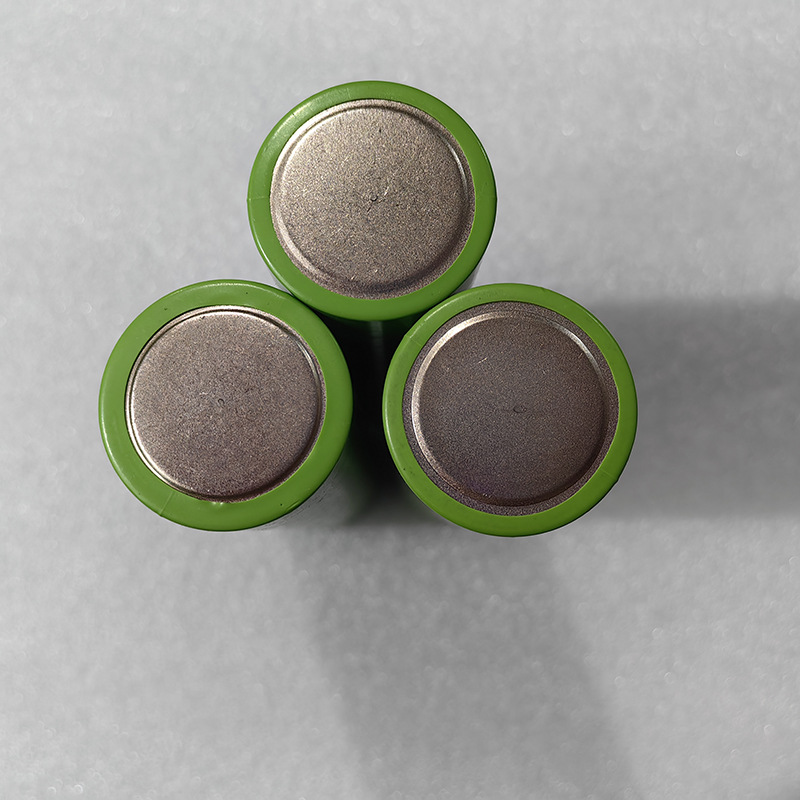
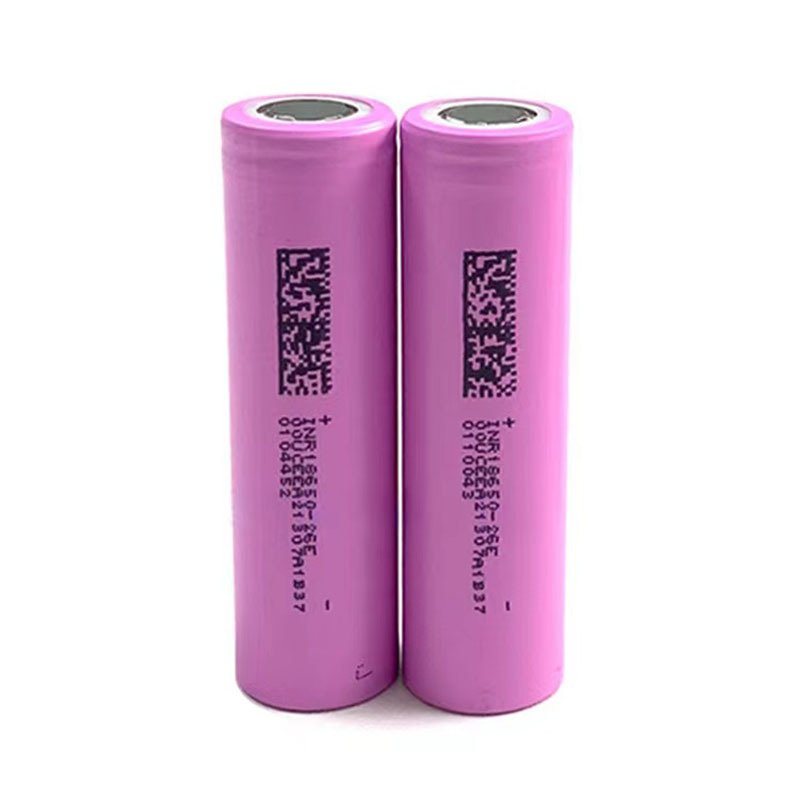
For specific product requirements, cylindrical battery cells offer excellent balance between energy density, power output, and thermal management—making them ideal for 20C discharge applications.
Conclusion
The 20C discharge low temp rise battery segment represents a mature yet rapidly advancing technology sector. For B2B buyers, success hinges on understanding technical specifications, ensuring regulatory compliance, and partnering with qualified manufacturers. As applications continue expanding into new sectors—from low-altitude economy vehicles to grid-scale energy storage—the demand for reliable high-rate batteries will only intensify.
For detailed product specifications, compliance documentation, or customized solutions, professional manufacturers stand ready to support your procurement needs. Reach out through official contact channels to initiate discussions tailored to your specific application requirements.
This article provides general guidance for B2B battery procurement. Specific technical requirements should be validated through direct manufacturer consultation and independent testing.