

2026 Ultimate Buyer’s Guide for 33135 LFP in Solar Storage: All Pain Points Solved B2B Export Certified
The solar energy storage market is experiencing unprecedented growth in 2026, with the 33135 LFP (Lithium Iron Phosphate) cylindrical battery cell emerging as the industry standard for commercial and utility-scale applications. This comprehensive buyer’s guide addresses critical pain points for B2B purchasers, technical engineers, and procurement specialists seeking export-certified energy storage solutions across EU, US, and APAC markets.
Understanding 33135 LFP Technology Fundamentals
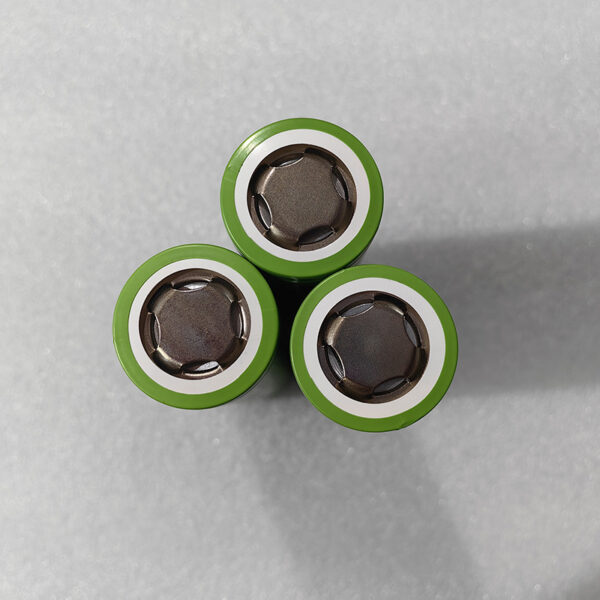
The 33135 designation refers to cylindrical cell dimensions: 33mm diameter × 135mm height. This form factor delivers optimal balance between energy density, thermal management, and mechanical stability. LFP chemistry provides inherent safety advantages through stable olivine crystal structure, eliminating thermal runaway risks associated with NMC alternatives. For solar storage applications, this translates to 20+ year cycle life with 80% capacity retention after 6,000+ full cycles.
Key Parameter Advantages for Solar Integration
Energy Density & Efficiency: Modern 33135 LFP cells achieve 180-200 Wh/kg gravimetric energy density with 95%+ round-trip efficiency. This specification directly impacts Levelized Cost of Storage (LCOS) calculations for commercial solar projects.
Thermal Performance: Operating temperature range spans -20°C to 60°C, critical for installations across diverse climates from Scandinavian winters to Middle Eastern summers. Advanced BMS integration enables active thermal management without compromising cycle life.
Safety Certification: Export-ready 33135 LFP cells must comply with UN38.3 transportation standards, IEC 62619 industrial battery safety, and UL 1973 energy storage system requirements. These certifications are non-negotiable for EU CE marking and US NEC code compliance.
Critical Testing Methodologies for B2B Verification
Professional buyers should mandate third-party validation through these testing protocols:
Cycle Life Testing: IEC 61427-2 standards require 1C charge/discharge cycling at 25°C with capacity monitoring every 500 cycles. Reputable manufacturers provide accelerated aging data correlating to 20-year field performance.
Safety Abuse Testing: Include nail penetration, overcharge (1.5C), short circuit, and crush testing per UN38.3 Section 38.3.4. LFP chemistry inherently passes these tests without thermal propagation.
Environmental Stress Screening: Temperature cycling (-40°C to 85°C), humidity exposure (85% RH), and vibration testing simulate real-world installation conditions across geographic regions.
Geographic Compliance & Regional Adaptation
European Market: EN 50549 grid connection standards and GDPR-compliant battery monitoring systems are mandatory for EU installations. CE marking requires Notified Body assessment for stationary energy storage applications exceeding 50kWh capacity.
North American Requirements: UL 9540A fire propagation testing and NFPA 855 installation codes govern US deployments. California Title 24 and NY-SUN programs offer additional incentives for certified LFP storage systems.
APAC Considerations: Australia’s AS/NZS 5139, Japan’s JIS C 8715-2, and China’s GB/T 36276 standards create fragmented compliance landscape. Multi-certified manufacturers reduce procurement complexity for multinational projects.
CNS Battery Technical Barriers & Export Readiness
Leading Chinese manufacturers like CNS Battery have established significant technical moats through vertical integration of cell production, BMS development, and certification management. Their 33135 LFP cylindrical battery cell portfolio demonstrates proven performance across 40+ countries with full export documentation packages.
For technical procurement teams evaluating suppliers, verify manufacturer credentials through battery manufacturers in China databases. Direct product specifications and certification details are available at cylindrical battery cell portals.
Final Procurement Recommendations
2026 solar storage projects demand partners with demonstrated export compliance, not just competitive pricing. Prioritize suppliers offering:
- Complete certification documentation (UN38.3, IEC, UL, CE)
- 10-year minimum warranty with performance guarantees
- Local technical support in target markets
- Traceable supply chain meeting ESG requirements
For comprehensive technical consultation and export certification verification, contact qualified manufacturers directly through CNS Battery contact portal.
The 33135 LFP format represents the optimal balance of safety, longevity, and cost-effectiveness for commercial solar storage. By following this buyer’s guide framework, B2B purchasers can mitigate procurement risks while ensuring long-term project viability across global markets.

