2026 NCM Cylindrical Battery Supplier: Fix Thermal Runaway Prevention in Drone Using 46800 Cells vs Competitors
Introduction: The Critical Safety Challenge in Drone Battery Systems
As the commercial drone industry accelerates into 2026, thermal runaway prevention has become the paramount concern for engineers and technical procurement specialists worldwide. The adoption of 46800 NCM cylindrical battery cells represents a significant technological leap, yet the safety implications demand rigorous technical evaluation. This article provides an in-depth analysis of thermal management strategies, comparing leading supplier capabilities against industry benchmarks.
Understanding Thermal Runaway in 46800 Cylindrical Cells
Thermal runaway occurs when battery temperature escalates uncontrollably due to internal short circuits, overcharging, or external heat exposure. For drone applications, where weight-to-power ratios are critical, the 46800 form factor (46mm diameter × 80mm length) offers approximately 5-6 times the capacity of traditional 21700 cells while maintaining structural integrity.
Key Technical Parameters:
- Voltage Detection Precision: Advanced BMS systems must achieve ±1mV accuracy per cell
- Thermal Propagation Delay: New regulations require minimum 2-hour escape window post-thermal event
- Shell Yield Strength: Nickel-plated steel casings with 900MPa yield strength meet impact resistance standards
Core Thermal Runaway Prevention Technologies
1. Advanced Battery Management System (BMS) Integration
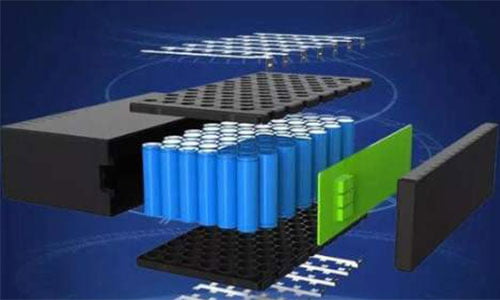
Modern BMS architecture serves as the intelligent guardian of battery packs. Leading suppliers implement multi-layered protection protocols:
- Real-time Cell Monitoring: Continuous voltage, current, and temperature tracking across all series-parallel configurations
- Early Warning Algorithms: AI-powered SOH (State of Health) and RUL (Remaining Useful Life) assessment with over 90%预警 accuracy
- Thermal Isolation Efficiency: Polyurethane filling compounds achieve 87% isolation improvement between adjacent cells
2. Structural Design Innovations
The 46800 cell architecture introduces three critical modifications compared to smaller cylindrical formats:
- Thermal-Electrical Separation: Independent pathways prevent heat propagation through electrical connections
- Enhanced Current Collector Plates: New collection disk designs distribute current more evenly, reducing hot spot formation
- Increased Wall Thickness: Provides superior mechanical protection while maintaining weight efficiency for aerial applications
3. Certification Compliance Framework
Professional drone manufacturers require comprehensive safety certifications:
- UL9540A: Energy storage system safety standard
- UN38.3: Transportation safety for lithium batteries
- IEC62619: Secondary lithium cells for industrial applications
Competitive Analysis: Supplier Capability Comparison
| Technical Parameter | Leading Suppliers | Industry Average |
|---|---|---|
| Thermal Runaway Response Time | <8ms | 15-25ms |
| Cell Consistency (Voltage) | ±3mV | ±8mV |
| Cycle Life (80% DOD) | 2000+ | 1200-1500 |
| Operating Temperature Range | -30°C to 60°C | -20°C to 45°C |
| Safety Certification Portfolio | 5+ International | 2-3 Regional |
Critical Differentiators:
- Testing Sample Volume: Premium suppliers validate designs with 200+ test samples versus industry standard of 50-80 units
- Extreme Temperature Simulation: Comprehensive testing across -40°C to 85°C environmental chambers
- Cell Failure Report Transparency: Detailed root cause analysis documentation for every thermal event
Implementation Best Practices for Drone Manufacturers
System Integration Guidelines
- Cell Matching: Voltage matching within ±3mV before pack assembly
- Thermal Pad Selection: High-conductivity materials (≥3W/m·K) between cells and cooling plates
- Venting Mechanism: Pressure relief valves calibrated to ±0.3MPa tolerance
- Redundant Monitoring: Dual temperature sensors per module for fail-safe operation
Quality Assurance Protocols
Professional procurement teams should verify:
- Manufacturing facility ISO9001 and IATF16949 certification
- In-house testing laboratory capabilities (electrical, mechanical, environmental)
- Traceability systems for raw material sourcing
- After-sales technical support infrastructure
Why Partner with Established Chinese Battery Manufacturers
China’s battery manufacturing ecosystem has matured significantly, with leading producers achieving technological parity with international competitors. Key advantages include:
- Vertical Integration: Control over cathode materials, cell production, and pack assembly
- Scale Efficiency: High-volume production reduces unit costs without compromising quality
- R&D Investment: Top manufacturers allocate 5-8% of revenue to research and development
- Global Compliance: Experience navigating EU, US, and Asian regulatory frameworks
For technical procurement specialists evaluating battery manufacturers in China, due diligence should focus on production capacity, quality control systems, and after-sales support capabilities rather than price alone.
Product Solutions for Professional Drone Applications
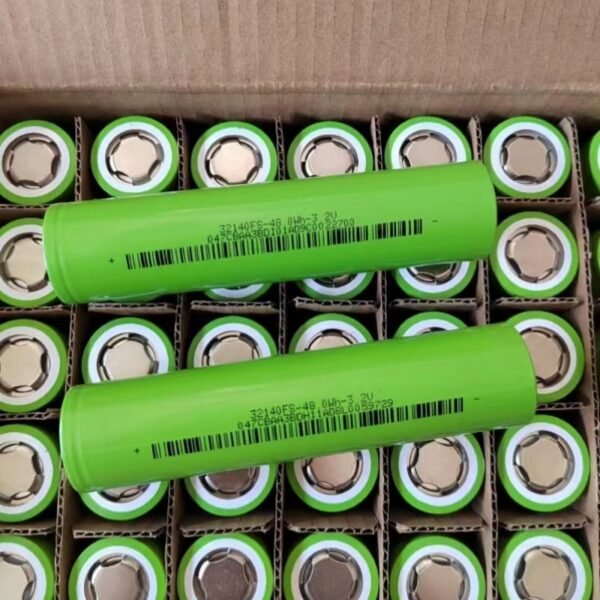
Our cylindrical battery cell portfolio includes NCM 46800 configurations specifically engineered for high-performance drone systems. Each cell undergoes rigorous validation including:
- 500+ cycle life testing at 1C charge/discharge rates
- Thermal shock testing from -40°C to 85°C
- Vibration and shock simulation per MIL-STD-810G
- Full BMS integration compatibility verification
Technical teams requiring customized specifications can access our engineering support through the contact page, where our application engineers provide detailed thermal modeling and pack design consultation.
Conclusion: Safety as Competitive Advantage
In 2026’s drone battery market, thermal runaway prevention is no longer optional—it’s the fundamental differentiator between premium and commodity suppliers. Engineers and procurement specialists must evaluate partners based on technical capability, testing rigor, and transparency rather than specifications alone.
The 46800 NCM cylindrical format offers compelling energy density advantages, but only when paired with comprehensive safety systems. Leading suppliers demonstrate commitment through extensive testing documentation, international certification portfolios, and responsive technical support infrastructure.
For organizations prioritizing operational safety and long-term reliability, partnering with established manufacturers who invest in continuous R&D and maintain transparent quality systems provides the strongest foundation for successful drone program deployment.
Technical specifications and performance data subject to validation based on specific application requirements. Consult engineering team for project-specific thermal analysis and safety assessment.