2026 NCM Cylindrical Battery Supplier: Fix Extended Warranty in EV Using 32150 Cells B2B Export
As we advance into 2026, the electric vehicle (EV) landscape is undergoing a critical shift. While Lithium Iron Phosphate (LFP) chemistry has dominated the entry-level market, premium and performance-oriented EV segments continue to rely heavily on Nickel Cobalt Manganese (NCM) chemistry for its superior energy density. However, the industry faces a persistent challenge: managing extended warranty liabilities. For B2B exporters and EV manufacturers, the choice of cell format and chemistry is no longer just about performance—it is a strategic decision to mitigate long-term warranty risks. This article analyzes how adopting high-quality NCM 32150 cylindrical cells can serve as a technical solution to stabilize warranty claims in international markets.
The NCM Advantage in 2026: Balancing Density and Durability
Despite the rise of LFP, NCM remains indispensable for applications requiring high specific energy and voltage stability. In 2026, NCM 811 and high-nickel variants have matured significantly, offering improved thermal stability compared to previous generations. For technical purchasers, the key metric is not just initial capacity but the degradation curve over 8 to 10 years.
NCM cylindrical cells provide a robust platform for Battery Management Systems (BMS) to monitor individual cell health. Unlike large prismatic cells where internal hotspots can go undetected until failure, the cylindrical form factor allows for more granular thermal monitoring. This granularity is crucial for validating warranty conditions. When sourcing from reliable battery manufacturers in China, buyers must prioritize suppliers who demonstrate consistent doping consistency and coating uniformity, as these microscopic factors dictate macroscopic cycle life.
Why 32150 Cylindrical Cells? A Technical Deep Dive
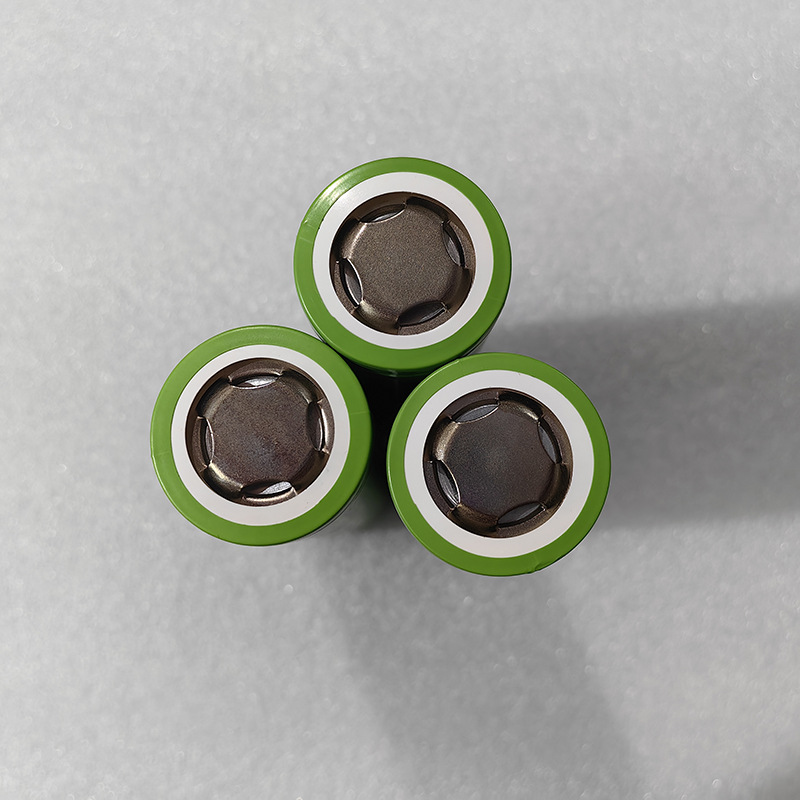
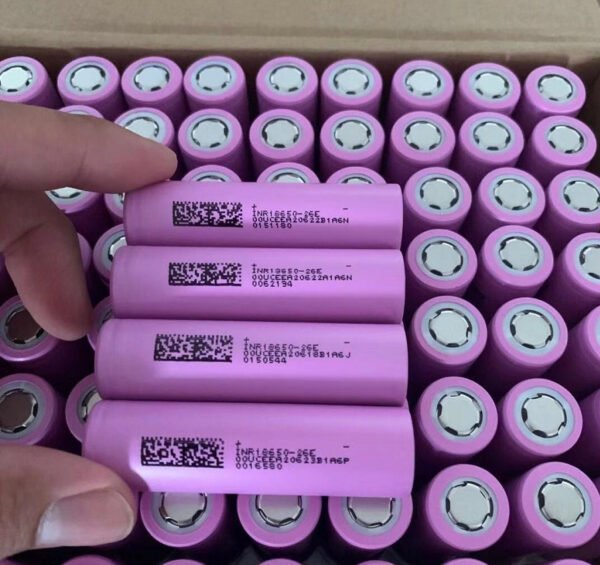
The industry standard has long been dominated by 18650 and 21700 cells. However, the 32150 cylindrical cell is emerging as the optimal form factor for medium-to-large EV packs in 2026. From an engineering perspective, the 32150 format offers several distinct advantages that directly impact warranty exposure:
- Reduced Interconnect Complexity: A 32150 cell typically offers capacities ranging from 10Ah to 15Ah, significantly higher than the 5Ah typical of 21700 cells. This reduces the total cell count required for a given pack voltage and capacity. Fewer cells mean fewer weld points and interconnects, which are common failure points leading to warranty claims related to high resistance or thermal runaway.
- Thermal Mass and Management: The larger volume of the 32150 cell provides better thermal inertia. While this requires careful cooling design, it also means the cell is less susceptible to rapid temperature spikes during high-C-rate discharging. Stable operating temperatures reduce electrolyte decomposition and SEI layer growth, directly extending cycle life.
- Structural Integrity: The steel casing of cylindrical cells offers superior mechanical strength compared to soft pouch cells. In the event of minor vehicle collisions or vibration stress over years of operation, the 32150 casing maintains integrity, preventing internal short circuits that would void warranties.
For integrators looking to optimize their pack design, exploring the specifications of modern cylindrical battery cell options is essential to match these technical benefits with project requirements.
Mitigating Warranty Risks Through Supply Chain Quality
Extended warranties in the EV sector often hinge on the consistency of the supply chain. A single batch of cells with varying internal resistance can lead to pack imbalance, accelerating degradation and triggering premature warranty replacements. In the B2B export context, this risk is amplified by logistics and storage conditions.
Professional suppliers must adhere to strict quality control protocols, including 100% OCV (Open Circuit Voltage) testing and ACIR (Alternating Current Internal Resistance) sorting before shipment. Furthermore, compliance with international standards such as UN38.3, IEC 62619, and UL 2580 is non-negotiable for overseas markets. These certifications are not merely regulatory hurdles; they are indicators of a manufacturer’s commitment to safety and longevity.
When evaluating partners, technical procurement teams should audit the manufacturer’s capability to trace raw material batches. This traceability ensures that if a warranty issue arises, the root cause can be identified quickly without recalling entire fleets. Establishing a direct line of communication with the supplier’s technical team is vital for resolving such complexities. You can reach out to our technical support team via our contact page for detailed audit reports and certification documentation.
Conclusion: Strategic Cell Selection for Long-Term Viability
In the competitive EV market of 2026, reducing warranty liability is as important as increasing range. The adoption of NCM 32150 cylindrical cells represents a strategic convergence of energy density, mechanical robustness, and thermal manageability. By selecting a supplier with rigorous quality control and a proven track record in B2B exports, EV manufacturers can secure their product’s reliability and protect their bottom line from excessive warranty claims.
As the industry moves forward, the focus must remain on data-driven cell selection and transparent supply chain partnerships. For businesses seeking to integrate high-performance cylindrical solutions into their next-generation EV packs, ensuring access to verified manufacturing sources is the first step toward sustainable growth. We invite global partners to explore our comprehensive range of solutions and discuss how our 32150 NCM cells can meet your specific warranty and performance targets.