

2026 LFP Cylindrical Battery Supplier: Fix Zero Swelling Issues in EV Using 18650 Cells B2B Export
As we navigate through 2026, the electric vehicle (EV) industry continues to prioritize safety and longevity over mere energy density. For B2B partners and manufacturers, the persistent challenge of battery swelling remains a critical concern affecting pack integrity and vehicle safety. At CNS Battery, we have engineered a solution that addresses this directly. This article outlines how our 2026 LFP cylindrical battery technology eliminates swelling issues in EV applications using 18650 cells, ensuring reliable B2B export standards.
The Critical Challenge: Battery Swelling in EVs
Battery swelling, or gas generation, is a common failure mode in lithium-ion cells, particularly under high-temperature operation or overcharging conditions. In EV packs, even minor swelling can lead to mechanical stress on the battery management system (BMS), connection failures, and in severe cases, thermal runaway. Traditional NCM chemistries often struggle with this under rigorous cycling. However, Lithium Iron Phosphate (LFP) chemistry inherently offers superior thermal stability. The challenge lies in manufacturing consistency and cell design to achieve “Zero Swelling” performance over the vehicle’s lifespan.
Why 18650 LFP Cells Are the 2026 Standard for Stability
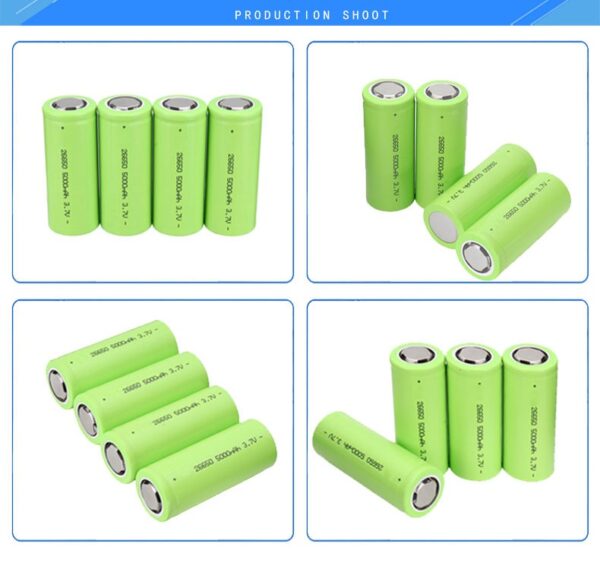
The 18650 cylindrical form factor remains a cornerstone of reliable battery engineering. Its steel casing provides robust mechanical containment, significantly reducing the risk of expansion compared to pouch cells. When combined with LFP chemistry, the 18650 cell offers a compelling value proposition for B2B exporters and EV integrators:
- Thermal Stability: LFP chemistry withstands higher temperatures without decomposing, reducing gas generation.
- Cycle Life: Modern 18650 LFP cells now exceed 3,000 cycles with minimal capacity fade, crucial for EV longevity.
- Mechanical Strength: The cylindrical steel can physically resist internal pressure changes, maintaining dimensional stability.
For partners seeking reliable cylindrical battery cell solutions, the 18650 LFP variant represents the optimal balance of safety and performance in the current market landscape.
Technical Breakthrough: Achieving Zero Swelling
Achieving “Zero Swelling” is not just about chemistry; it is about precision engineering and electrolyte formulation. Our 2026 production lines implement several key technologies to ensure this standard:
1. Advanced Electrolyte Additives
We utilize proprietary electrolyte additives that form a stable Solid Electrolyte Interphase (SEI) layer on the anode. This layer prevents continuous electrolyte decomposition during cycling, which is the primary source of gas generation. By stabilizing the interface, we eliminate the root cause of swelling.
2. Precision Winding and Compression
Mechanical integrity is maintained through high-precision winding techniques. Our manufacturing process ensures uniform electrode compression, preventing localized hotspots that can lead to gas formation. The steel casing of the 18650 cell is engineered to withstand internal pressure without deforming.
3. Rigorous Aging and Screening
Every batch undergoes extended high-temperature aging tests. Cells showing any signs of micro-swelling or voltage drop are filtered out before shipment. This ensures that only cells with proven dimensional stability reach our B2B clients.
B2B Export Considerations for 2026
For international buyers, sourcing batteries from China requires navigating complex logistics and compliance standards. As a leading supplier, we streamline this process for our global partners.
- Certifications: All our 18650 LFP cells comply with UN38.3, IEC62133, and CE standards, facilitating smooth customs clearance.
- Consistency: B2B clients demand batch-to-batch consistency. Our automated production lines ensure minimal variance in capacity and internal resistance.
- Supply Chain Stability: In 2026, supply chain resilience is key. We maintain robust raw material stockpiles to guarantee on-time delivery for large-scale EV projects.
Partnering with established battery manufacturers in China ensures you have access to the latest technology and reliable support structures necessary for global distribution.
Selecting the Right Supplier for EV Applications
When evaluating suppliers for EV battery cells, B2B clients should focus on technical capability rather than just price. Key evaluation criteria include:
- R&D Investment: Does the supplier invest in solving core issues like swelling and thermal management?
- Production Capacity: Can they scale to meet your demand without compromising quality?
- After-Sales Support: Technical support is crucial for integrating cells into complex battery packs.
We invite potential partners to discuss their specific requirements. Our team is ready to provide customized solutions that meet the rigorous demands of the 2026 EV market. For detailed specifications and partnership inquiries, please visit our contact page.
Conclusion
The transition to safer, more durable EV batteries is underway. By leveraging 18650 LFP technology with our Zero Swelling engineering, we provide a reliable foundation for the next generation of electric mobility. For B2B exporters and manufacturers, choosing the right cell supplier is the first step toward building a reputable and safe product. Contact us today to secure your supply chain with high-performance, swelling-free cylindrical batteries.

