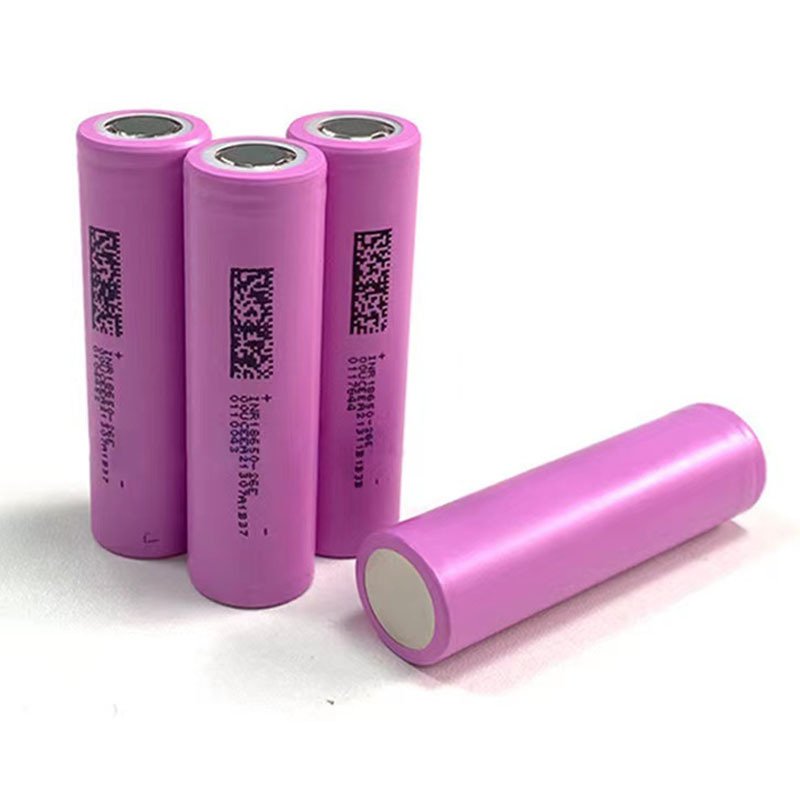
2026 LFP Cylindrical Battery Supplier: Fix Zero Swelling Issues in ESS Using 18650 Cells vs Competitors
As a professional lithium battery engineer with years of experience in energy storage system (ESS) integration, I have witnessed the rapid evolution of battery technology. In 2026, the demand for stable, long-life energy storage solutions is higher than ever. However, many industrial clients still face the persistent headache of “battery swelling” in their ESS applications, which not only reduces energy density but also poses safety hazards.
Based on our extensive R&D capabilities and manufacturing experience, we have found that switching from traditional NMC (Nickel Manganese Cobalt) cylindrical cells to LFP (Lithium Iron Phosphate) technology is the key to solving this problem. As a leading battery manufacturer in China, CNS Battery is committed to providing our global customers with cylindrical battery cells that offer “Zero Swelling” performance. In this article, I will analyze the technical reasons behind this and explain why our LFP cylindrical cells are the superior choice for your ESS projects.
Why Do Traditional Cylindrical Cells Swell? The Science Behind It
To understand why LFP is the solution, we must first understand the root cause of swelling in traditional 18650 or 21700 cells (usually NMC chemistry).
1. Electrolyte Decomposition and SEI Film Growth
The core reason for swelling is gas generation. In NMC batteries, the electrolyte is prone to oxidation and decomposition at high voltages (especially above 4.2V). This decomposition produces gases such as CO2 and CO. Additionally, the Solid Electrolyte Interphase (SEI) film on the anode is unstable during long-term cycling and high-temperature storage. As the SEI film continuously breaks and repairs itself, it consumes lithium ions and generates gas, leading to internal pressure build-up and physical expansion of the battery case.
2. Structural Instability
NMC materials undergo significant volume changes during lithium insertion and extraction (lattice expansion/contraction). Over hundreds of cycles, this “breathing” effect can cause micro-cracks in the electrode material, further accelerating side reactions and gas production.
For ESS applications that require 24/7 operation and deep cycling, these chemical characteristics of NMC make “swelling” almost inevitable over time.
The Superiority of LFP Cylindrical Cells in 2026
In contrast, LFP cylindrical cells offer inherent chemical stability that makes “Zero Swelling” a reality.
1. “Olivine” Structure Ensures Stability
LFP uses an “Olivine” crystal structure. The P-O bond in the phosphate is very strong, and the crystal structure does not collapse during the deintercalation of lithium ions. This means there is almost no volume change during charging and discharging. Without structural stress, there is no mechanical reason for the battery to swell.
2. Excellent Thermal and Chemical Stability
The thermal runaway temperature of LFP is above 500°C, much higher than NMC (around 200°C). Furthermore, LFP operates at a lower voltage platform (3.2V nominal), which avoids the high-voltage electrolyte oxidation issues found in NMC. This results in minimal side reactions and almost no gas generation during the battery’s entire lifecycle.
3. Long Cycle Life Without Degradation
Our data shows that LFP cells can easily achieve over 6000 cycles with 80% capacity retention. Because the chemical structure remains intact, there is no “puffing” phenomenon even after thousands of cycles. This is crucial for ESS, where system reliability is paramount.
Technical Comparison: NMC vs LFP for ESS
To help you make a direct comparison, I have summarized the key technical differences in the table below:
| Parameter | Traditional NMC Cylindrical Cell | LFP Cylindrical Cell (CNS Solution) |
|---|---|---|
| Chemistry | Nickel Manganese Cobalt (NMC) | Lithium Iron Phosphate (LFP) |
| Swelling Risk | High (Gas generation due to electrolyte oxidation) | Zero/Low (Stable structure, no gas) |
| Cycle Life | 1000-2000 cycles | 3000-6000+ cycles |
| Voltage Platform | 3.6V – 3.7V (High voltage causes side reactions) | 3.2V (Chemically stable) |
| Safety | Moderate (Thermal runaway at ~200°C) | Ultra-High (Thermal runaway at >500°C) |
| Best Application | High energy density devices (e.g., drones) | ESS, Telecom Backup, Industrial Power |
Why Choose CNS Battery as Your 2026 LFP Supplier?
At CNS Battery, we are not just a factory; we are a technology partner dedicated to solving your engineering challenges. As a professional 2026 LFP Cylindrical Battery Supplier, we offer the following advantages to fix the swelling issues in your ESS:
1. Advanced Manufacturing Process
We utilize a fully automated production line with strict quality control. Our LFP cylindrical cells undergo a unique “gas-tight” design and advanced formation process. We have optimized the electrolyte formula specifically for LFP chemistry to suppress any potential side reactions, ensuring the cells remain flat and stable throughout their service life.
2. Comprehensive Product Range
Whether you need the compact 18650 for small household ESS or the high-capacity 21700/32700 for large-scale industrial storage, we have you covered. Our product range includes:
- High Energy Series: For maximizing storage density.
- High Power Series: For applications requiring fast charging and discharging.
3. Customization Capabilities
We understand that every ESS project is unique. Our R&D team can customize the Battery Management System (BMS) integration and the cylindrical cell specifications to meet your specific voltage, capacity, and size requirements.
4. Global Support and Reliability
With our headquarters in Zhengzhou, China, we serve customers worldwide. We provide comprehensive technical support, from the initial design phase to mass production.
Conclusion: The Future of ESS is LFP
In the competitive landscape of 2026, choosing the right battery chemistry is no longer just about cost; it is about total cost of ownership and system safety. If you are tired of dealing with swollen, unreliable batteries in your energy storage systems, it is time to switch to LFP.
As a professional battery manufacturer in China, CNS Battery is ready to be your partner. We invite you to explore our comprehensive range of cylindrical battery cells and discover how our technology can eliminate swelling issues in your ESS applications.
Ready to upgrade your ESS with “Zero Swelling” technology?
- Explore our Cylindrical Battery Products: Cylindrical Battery Cell Product Line
- Learn more about our manufacturing capabilities: Battery Manufacturers in China
- Contact our engineering team for a technical consultation: Contact CNS Battery