2026 LFP Cylindrical Battery Supplier: Fix Thermal Runaway Prevention in EV Using 18650 Cells Guaranteed
The electric vehicle industry stands at a critical juncture in 2026. As LFP (Lithium Iron Phosphate) batteries dominate over 82% of China’s lithium battery shipments, manufacturers worldwide are prioritizing safety alongside cost-effectiveness. For engineering teams and technical procurement specialists, thermal runaway prevention in 18650 cylindrical cells represents the cornerstone of reliable EV battery pack design.
Understanding Thermal Runaway in 18650 LFP Cells
Thermal runaway occurs when battery internal temperature exceeds critical thresholds, triggering irreversible exothermic reactions. In 18650 cylindrical cells, this typically begins when the separator material melts at approximately 130°C, causing direct contact between positive and negative electrodes. Unlike NMC chemistry, LFP batteries feature superior thermal stability due to the strong phosphorus-oxygen bonds in LiFePO₄ cathode structure, which resist oxygen release even at elevated temperatures.
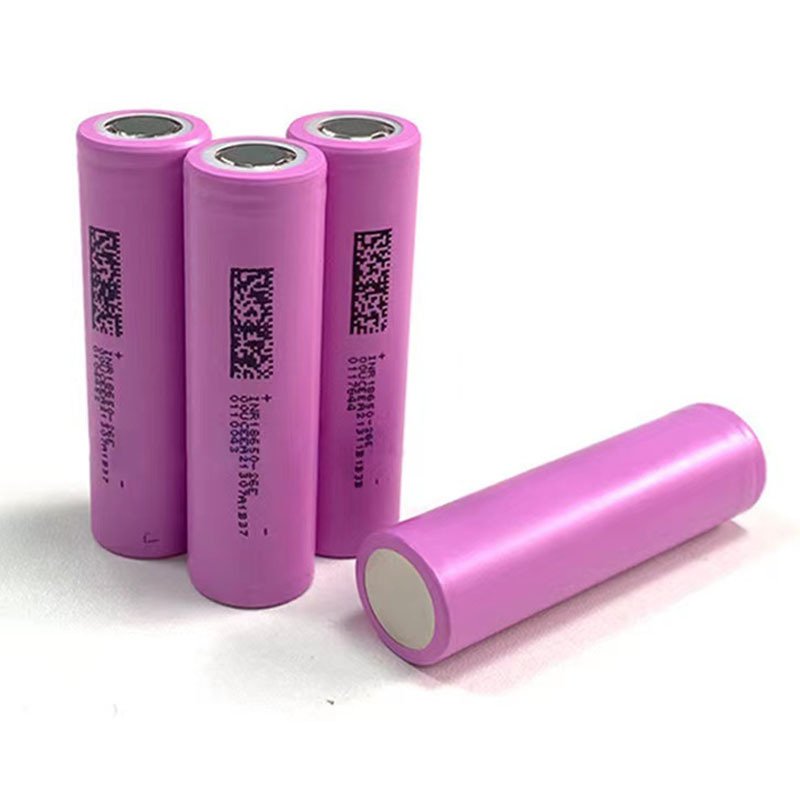
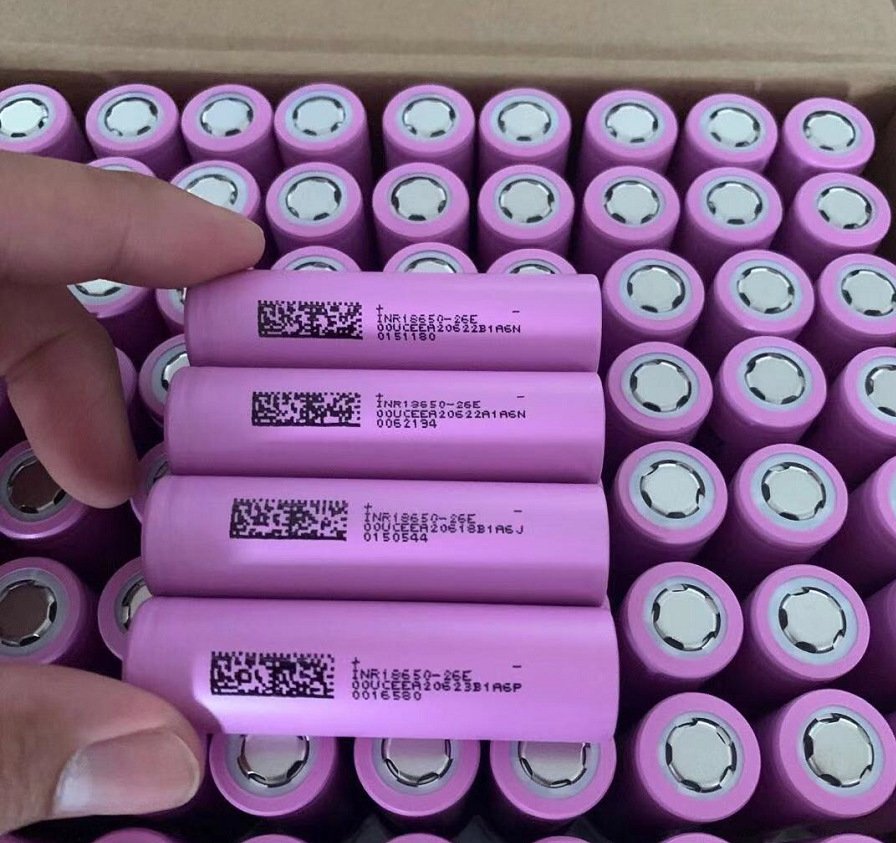
The 18650 designation indicates standardized dimensions: 18mm diameter, 65mm length, and cylindrical form factor. This geometry, while offering excellent manufacturing consistency, requires sophisticated thermal management systems to prevent heat accumulation across cell arrays.
Core Prevention Strategies for EV Applications
1. Advanced Cell-Level Safety Features
Modern LFP 18650 cells incorporate multiple safety mechanisms including pressure relief vents, thermal fuses, and ceramic-coated separators. These features work synergistically to interrupt thermal propagation before reaching critical mass. Quality suppliers implement Class A cell grading with strict internal resistance matching (typically within 2mΩ variance) to ensure uniform current distribution across parallel configurations.
2. Battery Management System (BMS) Integration
Effective thermal runaway prevention demands real-time monitoring capabilities. Premium BMS solutions track individual cell voltage, temperature, and impedance parameters with millisecond response times. Temperature sensors positioned at strategic points within the battery pack enable early detection of abnormal heat generation, triggering protective protocols before thermal cascade occurs.
3. Thermal Management Architecture
Liquid cooling systems outperform air cooling in high-density EV applications, maintaining optimal operating temperatures between 15°C and 35°C. Phase change materials (PCMs) integrated between cell rows provide additional thermal buffering during peak discharge events. Computational fluid dynamics (CFD) modeling should validate cooling channel design before production deployment.
Supplier Selection Criteria for 2026
When evaluating cylindrical battery cell manufacturers, technical teams must verify several critical qualifications:
- Certification Compliance: UN38.3, IEC62133, UL1642, and automotive-specific IATF16949 certifications demonstrate manufacturing quality systems
- Cycle Life Performance: Premium LFP 18650 cells should deliver 3,000-5,000 full discharge cycles while maintaining 80% capacity retention
- Thermal Testing Data: Request comprehensive abuse testing reports including nail penetration, overcharge, and external fire exposure results
- Supply Chain Transparency: Traceable raw material sourcing ensures consistent cell chemistry and performance characteristics
Implementation Roadmap for Engineering Teams
Successful thermal runaway prevention requires systematic integration across development phases. During prototype stage, conduct accelerated aging tests simulating 10-year operational conditions. Validate BMS algorithms through hardware-in-loop (HIL) testing before vehicle integration. Establish clear escalation protocols for field incident response, including data logging requirements and failure analysis procedures.
Chinese battery manufacturers have emerged as reliable partners for global EV programs, offering competitive pricing without compromising safety standards. Working with established battery manufacturers in China provides access to mature LFP production lines with proven track records in automotive applications.
Cost-Safety Balance Considerations
While LFP chemistry inherently reduces thermal runaway risk compared to nickel-based alternatives, cost pressures cannot override safety requirements. Budget approximately 15-20% of total battery pack cost for thermal management systems and safety components. This investment prevents exponentially higher costs associated with warranty claims, recalls, and brand reputation damage.
Conclusion
Thermal runaway prevention in 18650 LFP cells demands holistic engineering approach combining cell chemistry optimization, intelligent monitoring systems, and robust thermal architecture. As the EV market matures in 2026, suppliers who guarantee safety performance while maintaining cost competitiveness will capture significant market share. Engineering teams should prioritize partnerships with manufacturers offering comprehensive technical support, transparent testing data, and proven automotive-grade quality systems.
For detailed technical specifications and customization options, contact our engineering team to discuss your specific EV battery requirements. The transition to safer, more reliable energy storage solutions requires collaborative effort between OEMs, tier suppliers, and cell manufacturers committed to excellence in thermal safety management.