2026 LFP Cylindrical Battery Supplier: Fix Sustainability & Carbon Footprint in Power Tools Using 18650 Cells Wholesale Supplier from China
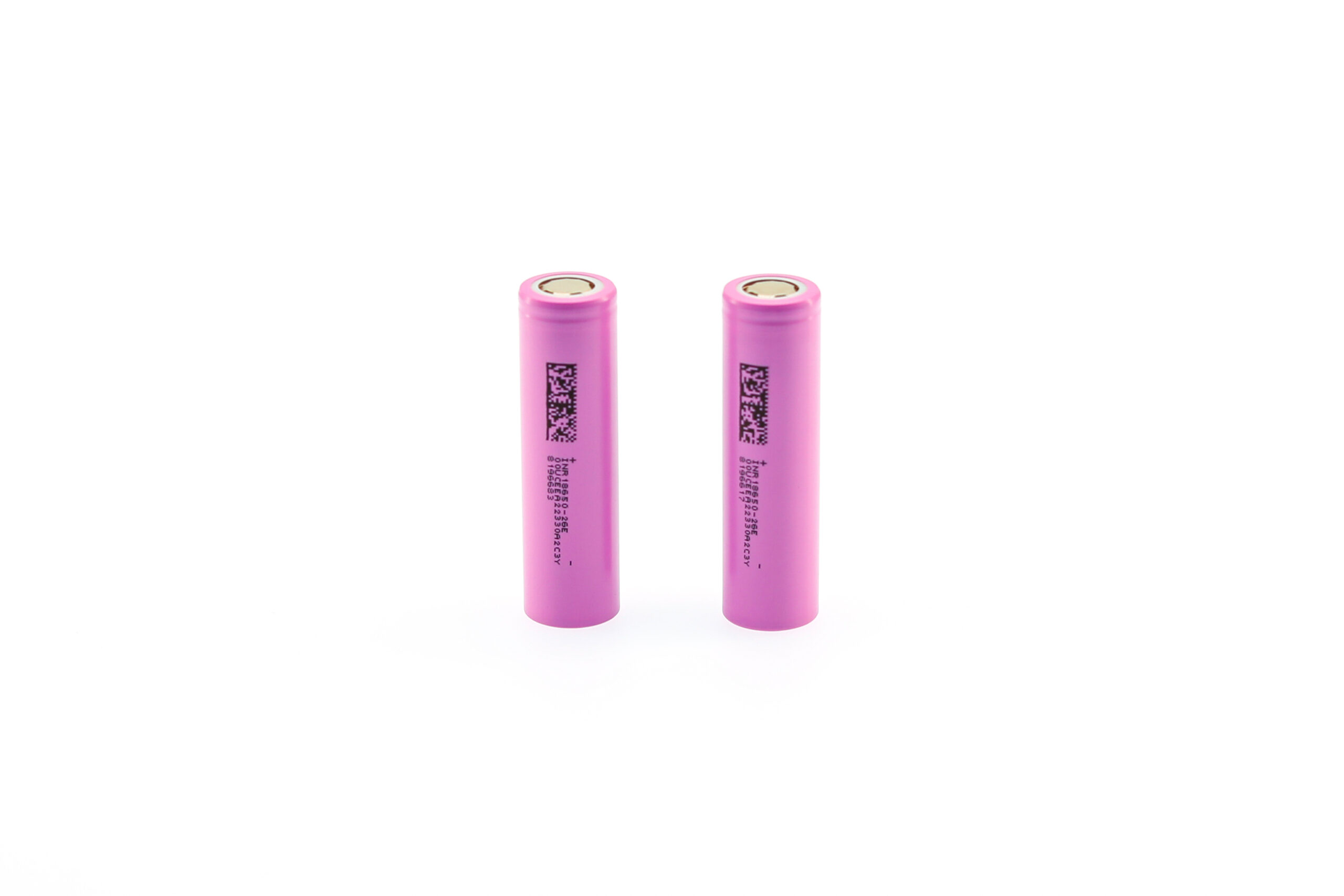
The global power tool industry is undergoing a fundamental transformation in 2026, driven by stringent environmental regulations and escalating demand for sustainable energy solutions. Lithium Iron Phosphate (LFP) cylindrical batteries, particularly 18650 cells, have emerged as the cornerstone technology for manufacturers seeking to reduce carbon footprints while maintaining performance excellence. As a leading 18650 cells wholesale supplier from China, CNS Battery delivers engineered solutions that address both sustainability imperatives and regional compliance requirements across EU and US markets.
Technical Advantages of LFP 18650 Cylindrical Cells for Power Tools
LFP chemistry represents a paradigm shift from traditional cobalt-based lithium-ion batteries. The olivine crystal structure of LiFePO₄ provides inherent thermal stability, eliminating thermal runaway risks that plague NMC and NCA chemistries. For power tool applications, this translates to three critical advantages:
Extended Cycle Life: LFP 18650 cells achieve 2,000-5,000 full discharge cycles at 80% depth of discharge, significantly outperforming conventional lithium-ion alternatives. This longevity reduces total cost of ownership and minimizes battery replacement frequency, directly contributing to sustainability metrics.
Enhanced Safety Profile: The P-O bond strength in phosphate compounds requires substantially higher energy to break compared to metal oxide cathodes. Operating temperature ranges span -20°C to 60°C, with thermal runaway thresholds exceeding 270°C. This makes LFP cells ideal for demanding power tool environments where heat generation during high-current discharge is inevitable.
Carbon Footprint Reduction: LFP chemistry eliminates cobalt and nickel from the cathode composition, reducing mining-related environmental impact by approximately 40% compared to NMC batteries. Manufacturing processes generate 25% less CO₂ equivalent emissions per kWh of capacity.
Critical Performance Parameters for Power Tool Applications
When evaluating cylindrical battery cell specifications for power tools, technical procurement teams must prioritize these parameters:
| Parameter | Specification | Testing Standard |
|---|---|---|
| Nominal Voltage | 3.2V | IEC 61960 |
| Capacity Range | 1,500-2,400mAh | GB/T 18287 |
| Continuous Discharge | 10C-15C | UL 1642 |
| Energy Density | 90-120 Wh/kg | UN 38.3 |
| Internal Resistance | ≤35mΩ | IEC 62660 |
High-rate discharge capability remains paramount for power tools requiring burst power during operation. Quality 18650 LFP cells sustain 10C continuous discharge with voltage sag limited to 0.3V per cell, ensuring consistent torque delivery in cordless drills, impact drivers, and circular saws.
Comprehensive Testing Methodologies for Sustainability Verification
Validating sustainability claims requires rigorous third-party testing protocols. Leading suppliers implement multi-stage verification processes:
Carbon Footprint Assessment: ISO 14067-compliant lifecycle analysis tracks emissions from raw material extraction through end-of-life recycling. Results must demonstrate compliance with EU Battery Regulation 2023/1542 carbon footprint thresholds, which become mandatory for industrial batteries in 2026.
Performance Validation: Accelerated cycle testing at 45°C ambient temperature simulates five years of field usage within 90 days. Capacity retention must exceed 80% after 2,000 cycles at 1C charge/discharge rates.
Safety Certification: UN 38.3 transportation testing, UL 1642 cell safety, and IEC 62133-2 system safety certifications form the baseline requirement for global market access. Additional regional certifications include CE marking for Europe and California Proposition 65 compliance for US distribution.
Regional Compliance and Technical Barriers for Global Market Access
Navigating geographical regulatory landscapes represents the most significant challenge for battery manufacturers exporting from China. Battery manufacturers in China must address divergent requirements across target markets:
European Union Compliance: The EU Battery Regulation establishes comprehensive requirements including carbon footprint declarations, recycled content minimums (12% cobalt, 4% lithium, 4% nickel by 2030), and battery passport documentation. LFP chemistry provides inherent advantages, as iron and phosphate materials face fewer supply chain restrictions compared to cobalt and nickel.
United States Standards: California SB 1215, effective January 2026, mandates end-of-life collection systems for embedded battery products. UL standards remain the primary safety benchmark, with UL 2054 specifically addressing battery packs in power tools. The Inflation Reduction Act provides tax incentives for batteries meeting domestic content requirements, influencing sourcing decisions.
Technical Localization: Successful market penetration requires adapting cell designs to regional preferences. European customers prioritize sustainability documentation and recyclability, while US buyers emphasize performance specifications and warranty terms. Asian markets focus on cost-effectiveness and supply chain reliability.
CNS Battery: Bridging Technology and Compliance
CNS Battery has established comprehensive manufacturing capabilities specifically designed for international power tool manufacturers seeking sustainable battery solutions. Our cylindrical battery cell production facilities implement ISO 14001 environmental management systems, ensuring manufacturing processes meet global sustainability standards.
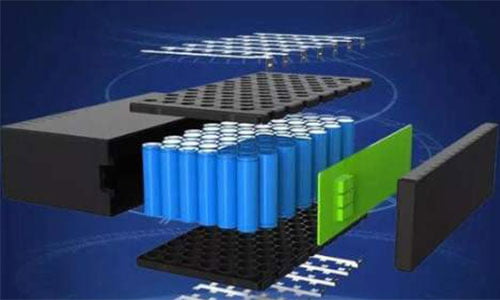
Technical support extends beyond product supply to include application engineering, regulatory documentation assistance, and custom pack design services. Our engineering team provides BMS integration guidance optimized for LFP chemistry characteristics, maximizing battery pack performance while ensuring safety compliance.
For technical procurement teams evaluating long-term supply partnerships, we recommend requesting comprehensive test reports, factory audit documentation, and samples for independent validation. Transparency in supply chain traceability and manufacturing processes distinguishes qualified suppliers from commodity vendors.
Contact our technical team at https://cnsbattery.com/contact-2/ for detailed specifications, certification documentation, and customized quotations aligned with your power tool application requirements.
Explore our complete cylindrical battery cell portfolio at https://cnsbattery.com/products-3/cylindrical-battery-cell/ to evaluate technical specifications across various form factors and capacity options.
Learn more about our manufacturing capabilities and quality systems at https://cnsbattery.com/battery-manufacturers-in-china/ for comprehensive supplier qualification documentation.
The transition to LFP cylindrical batteries in power tools represents more than a technical upgrade—it embodies a strategic commitment to environmental responsibility without compromising performance. As 2026 regulations tighten globally, partnering with qualified suppliers who understand both technology and compliance becomes essential for maintaining market competitiveness.