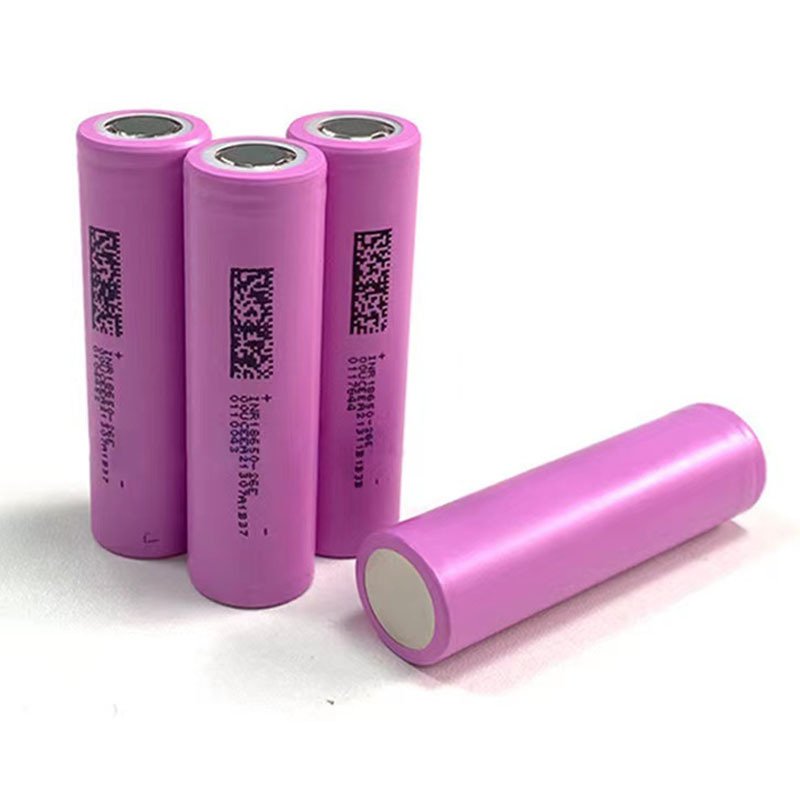
2026 LFP Cylindrical Battery Supplier: Fix Sustainability & Carbon Footprint in ESS Using 18650 Cells B2B Export
The global energy storage system (ESS) market is undergoing a critical transformation in 2026, with sustainability and carbon footprint reduction becoming decisive factors in supplier selection. For B2B buyers and technical engineers sourcing LFP cylindrical batteries, particularly 18650 cells, understanding the intersection of performance, compliance, and environmental responsibility is no longer optional—it’s essential for competitive advantage.
Why LFP 18650 Cells Dominate ESS Applications in 2026
Lithium Iron Phosphate (LFP) chemistry has emerged as the preferred choice for stationary energy storage due to its inherent safety, extended cycle life, and thermal stability. The 18650 cylindrical form factor offers distinct advantages for ESS deployments:
- Standardized Dimensions: 18mm diameter × 65mm length enables modular pack design and simplified thermal management
- High Automation Compatibility: Cylindrical cells support automated production lines, ensuring consistent quality and lower manufacturing costs
- Proven Track Record: Over two decades of commercial deployment across consumer electronics, power tools, and EVs
For technical procurement teams evaluating suppliers, the 18650 LFP cell represents a balanced solution between energy density (typically 120-160 Wh/kg), cycle life (3,000-6,000 cycles at 80% DOD), and total cost of ownership.
Carbon Footprint Compliance: The 2026 Regulatory Landscape
2026 marks a pivotal year for battery export compliance. Major markets have implemented stringent carbon footprint declaration requirements:
European Union: The EU Battery Regulation mandates carbon footprint statements for all industrial batteries, with threshold limits tightening annually. Suppliers must provide lifecycle assessment (LCA) data covering raw material extraction, cell manufacturing, transportation, and end-of-life processing.
North America: California’s SB 1215 and federal IRA provisions require detailed emissions tracking for battery imports. B2B exporters must demonstrate supply chain transparency and recycled content percentages.
Key Compliance Metrics:
- CO₂e per kWh of battery capacity (target: <80 kg CO₂e/kWh for LFP)
- Recycled material content (minimum 12% by 2026, increasing to 22% by 2030)
- Supply chain due diligence documentation
Sustainability Strategies for LFP Cylindrical Battery Suppliers
Leading manufacturers are implementing comprehensive sustainability frameworks to meet 2026 standards:
1. Green Manufacturing Processes
Transitioning to renewable energy-powered production facilities reduces Scope 2 emissions significantly. Top-tier suppliers now operate factories with 60-80% renewable energy mix, primarily solar and wind.
2. Material Sourcing Transparency
Ethical sourcing of lithium, iron, and phosphate materials requires blockchain-enabled traceability systems. Buyers should request supplier documentation covering:
- Mine-to-factory chain of custody
- Conflict mineral compliance (Dodd-Frank Section 1502)
- Water usage and local environmental impact assessments
3. Cell Design for Circularity
Designing 18650 cells for easier disassembly and material recovery supports circular economy goals. This includes standardized labeling, reduced adhesive usage, and compatibility with automated recycling processes.
Technical Considerations for ESS Integration
When integrating LFP 18650 cells into ESS projects, engineers must account for:
Thermal Management: Cylindrical cells require precise spacing and cooling channel design. Air cooling suffices for most stationary applications, but liquid cooling may be necessary for high-power density installations.
Battery Management System (BMS): Cell-level monitoring ensures balanced charging and prevents thermal runaway. Modern BMS solutions support CAN bus communication and remote diagnostics.
Pack Configuration: Series-parallel arrangements must consider voltage requirements (typically 48V, 400V, or 800V systems) and capacity scaling. Standard 18650 modules simplify maintenance and replacement.
Selecting the Right B2B Supplier Partner
For overseas buyers, supplier evaluation should extend beyond price and capacity. Critical assessment criteria include:
- Certification Portfolio: UN38.3, IEC 62619, UL 1973, CE marking, and ISO 14001 environmental management
- Production Capacity: Annual output exceeding 500 MWh demonstrates scale and reliability
- Technical Support: Engineering teams capable of custom pack design and integration assistance
- Export Experience: Established logistics partnerships and familiarity with destination market regulations
Reputable battery manufacturers in China have invested heavily in compliance infrastructure, offering B2B buyers confidence in regulatory adherence and supply chain stability.
The Path Forward: Sustainability as Competitive Advantage
In 2026, sustainability is no longer a marketing claim—it’s a measurable competitive differentiator. LFP 18650 cell suppliers that demonstrate verifiable carbon reduction, transparent sourcing, and circular design principles will secure preferential positioning in ESS procurement contracts.
For technical buyers, the recommendation is clear: prioritize suppliers with third-party verified sustainability data, robust compliance documentation, and proven ESS deployment track records. The initial investment in qualified partners yields long-term value through reduced regulatory risk, enhanced brand reputation, and alignment with corporate ESG commitments.
Explore our comprehensive range of cylindrical battery cells designed for ESS applications, and contact our technical team for customized sustainability reports and compliance documentation supporting your 2026 procurement requirements.
The transition to sustainable energy storage requires informed partnerships. Choose suppliers who view carbon footprint reduction not as compliance burden, but as core business strategy.