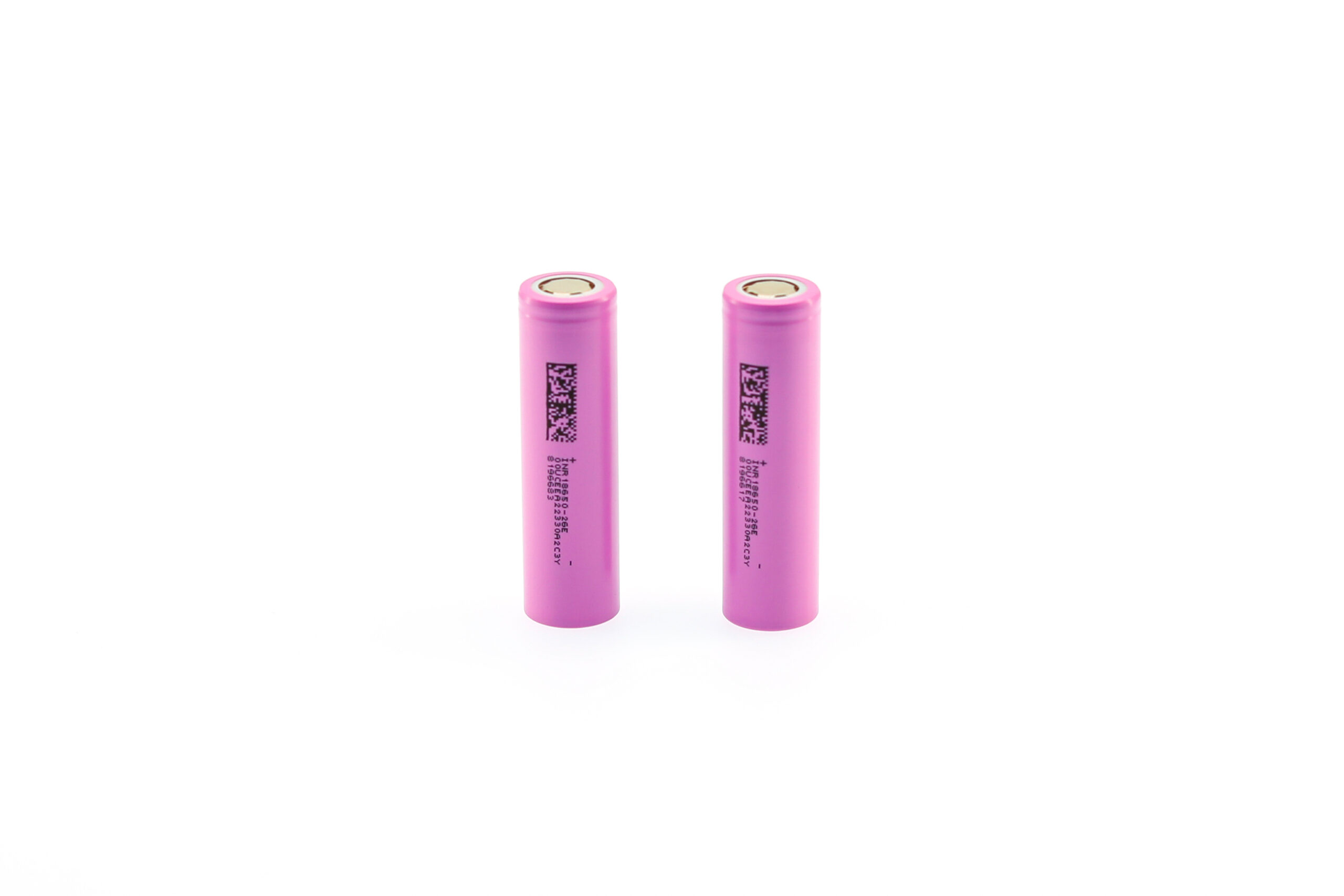
2026 LFP Cylindrical Battery Supplier: Fix Sample Test Report in ESS Using 18650 Cells Ideal for Manufacturers
The energy storage system (ESS) market is experiencing unprecedented growth in 2026, with global storage battery shipments projected to reach 760GWh, representing a 41% year-over-year increase. For manufacturers seeking reliable power solutions, LFP cylindrical batteries using 18650 cells have emerged as the optimal choice for ESS applications. This guide addresses critical considerations for sample test report optimization and supplier selection.
Understanding LFP 18650 Cell Specifications for ESS
The 18650 cylindrical lithium-ion battery, measuring 18mm in diameter and 65mm in length, has become an industry standard since its commercialization in the 1990s. For ESS applications, LFP (LiFePO4) chemistry offers distinct advantages over NCM alternatives:
- Safety: LFP cells demonstrate superior thermal stability with lower risk of thermal runaway
- Cycle Life: Typically 3,000-6,000 cycles at 80% depth of discharge
- Cost Efficiency: Lower raw material costs without cobalt dependency
- Temperature Performance: Stable operation across -20°C to 60°C ranges
Manufacturers must verify these specifications align with their ESS design requirements before proceeding with sample testing.
Fixing Sample Test Report Issues: Common Pitfalls
Sample test reports frequently contain discrepancies that delay procurement decisions. Key areas requiring attention include:
1. Capacity Verification Discrepancies
Test reports often show capacity variations between initial samples and mass production units. Manufacturers should request third-party certification from recognized laboratories (UL, IEC, UN38.3) to validate stated capacities. Ensure testing conditions match actual operating parameters—temperature, discharge rates, and cycling protocols.
2. Compliance Documentation Gaps
International ESS deployments require comprehensive compliance documentation. Critical certifications include:
- IEC 62619 (Safety for secondary lithium cells)
- UL 1973 (Stationary application batteries)
- UN38.3 (Transportation safety)
- CE marking for European markets
- FCC compliance for North American installations
Incomplete documentation creates customs delays and liability exposure. Reputable suppliers provide complete certification packages with sample submissions.
3. Performance Data Consistency
Sample reports must reflect realistic performance metrics under ESS operating conditions. Manufacturers should verify:
- Internal resistance measurements at multiple temperatures
- Self-discharge rates over 30-90 day periods
- Voltage consistency across cell batches
- Thermal management requirements
Procurement Best Practices for Manufacturers
Supplier Qualification Criteria
When evaluating LFP cylindrical battery suppliers, manufacturers should assess:
Production Capacity: Verify annual output capabilities match project timelines. Leading Chinese manufacturers offer scalable production from pilot batches to GWh-scale deployments. Explore comprehensive supplier options at https://cnsbattery.com/battery-manufacturers-in-china/
Quality Control Systems: Request documentation of ISO 9001 certification, incoming material inspection protocols, and outgoing quality assurance procedures. Automated production lines with real-time monitoring reduce defect rates below 0.1%.
Technical Support: Evaluate supplier engineering capabilities for custom BMS integration, thermal management solutions, and pack design optimization.
Sample Testing Protocol Recommendations
Establish a structured sample evaluation process:
- Initial Receipt Inspection: Verify packaging integrity, cell voltage consistency (±0.05V), and documentation completeness
- Performance Validation: Conduct capacity testing at 0.5C, 1C, and 2C discharge rates
- Cycle Life Assessment: Execute minimum 500 cycles with weekly capacity measurements
- Safety Testing: Perform overcharge, short circuit, and thermal abuse tests per IEC standards
- Environmental Testing: Validate performance across temperature extremes and humidity conditions
Document all findings systematically for internal review and supplier negotiations.
ESS Integration Considerations
Successful ESS deployment requires careful attention to cell-to-pack integration:
Voltage Configuration: 18650 LFP cells typically operate at 3.2V nominal voltage. Standard ESS configurations include 48V (15S), 400V (128S), and 800V (256S) systems. Ensure cell matching within ±10mV for optimal pack performance.
Thermal Management: LFP cells generate less heat than NCM alternatives but still require adequate cooling. Air cooling suffices for residential applications, while commercial installations may need liquid cooling systems.
BMS Compatibility: Verify battery management system communication protocols (CAN, RS485, Modbus) align with inverter requirements. Advanced BMS features include cell balancing, state-of-charge estimation, and fault detection.
Market Trends Shaping 2026 Procurement Decisions
The ESS landscape continues evolving with several notable trends:
- Longer Duration Storage: Average storage duration increasing from 2.9 hours (2024) to 3.5 hours (2030), driving demand for higher capacity configurations
- Regional Manufacturing: Supply chain diversification reducing dependency on single-source suppliers
- Recycling Integration: Closed-loop battery recycling programs becoming standard supplier offerings
- Smart Grid Compatibility: Enhanced communication protocols enabling grid services participation
Manufacturers should select suppliers positioned to support these evolving requirements.
Conclusion: Strategic Supplier Partnership
Selecting the right LFP cylindrical battery supplier extends beyond unit pricing. Manufacturers must evaluate technical capabilities, compliance support, production scalability, and long-term partnership potential. Quality sample test reports serve as foundational documentation for successful ESS deployments.
For manufacturers seeking verified LFP 18650 cell solutions with comprehensive testing support, explore product specifications at https://cnsbattery.com/products-3/cylindrical-battery-cell/. Direct supplier communication facilitates customized solutions addressing specific project requirements—initiate conversations through https://cnsbattery.com/contact-2/.
The 2026 ESS market presents significant opportunities for manufacturers who prioritize quality, compliance, and strategic supplier relationships. By implementing rigorous sample testing protocols and partnering with qualified suppliers, manufacturers can accelerate time-to-market while minimizing deployment risks.
This article provides general guidance for ESS manufacturers. Specific project requirements may necessitate additional technical consultation and customized testing protocols.