

2026 LFP Cylindrical Battery Supplier: Fix Sample Test Report in ESS Using 18650 Cells 2026 Buyer’s Guide
The energy storage system (ESS) market is experiencing unprecedented growth in 2026, with lithium iron phosphate (LFP) cylindrical batteries emerging as the preferred choice for commercial and residential applications. This comprehensive buyer’s guide examines critical sample test report requirements for 18650 LFP cells, providing technical procurement professionals and engineers with actionable insights for supplier evaluation.
Understanding LFP 18650 Cell Fundamentals
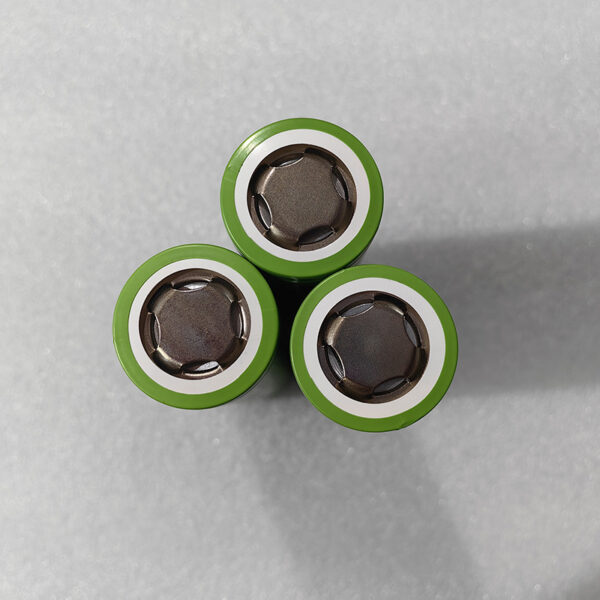
LFP chemistry offers inherent safety advantages over NMC alternatives, featuring superior thermal stability and extended cycle life. The 18650 cylindrical format (18mm diameter, 65mm length) provides standardized dimensions compatible with existing ESS architectures. Key technical parameters include nominal voltage of 3.2V, capacity ranging from 2.5Ah to 3.5Ah, and typical cycle life exceeding 6,000 cycles at 80% depth of discharge.
Critical Sample Test Report Parameters
1. Electrical Performance Validation
Comprehensive test reports must document capacity verification at C/3, C/1, and 2C discharge rates. Internal resistance measurements should not exceed 35mΩ for premium-grade cells. Voltage plateau consistency across multiple samples indicates manufacturing quality control. For ESS applications in European markets, IEC 62619 compliance documentation is mandatory.
2. Thermal Safety Assessment
Sample testing should include nail penetration, overcharge, and short-circuit protocols per UN 38.3 transportation standards. LFP chemistry demonstrates thermal runaway initiation above 270°C, significantly higher than NMC alternatives. Test reports must verify cell behavior under -20°C to 60°C operating ranges, crucial for North American and European climate variations.
3. Cycle Life Documentation
Accelerated aging tests at 45°C ambient temperature with 1C charge/discharge cycles provide predictive lifespan data. Quality suppliers maintain capacity retention above 80% after 4,000 cycles. This metric directly impacts total cost of ownership calculations for ESS projects.
Geographic Compliance Considerations
European Market Requirements
EU battery regulations (EU 2023/1542) mandate carbon footprint declarations and recycled content documentation. CE marking requires conformity with EN 62619 and EN 61000 electromagnetic compatibility standards. Suppliers serving German and French markets must provide REACH compliance certificates.
North American Standards
UL 1973 certification remains essential for US ESS installations. California Title 20 efficiency requirements affect battery selection for West Coast projects. Canadian CSA C22.2 compliance ensures acceptance across provincial jurisdictions.
Asia-Pacific Adaptations
Australian AS/NZS 5139 and Japanese JIS C 8715 standards govern regional ESS deployments. Suppliers with established testing laboratories in these regions accelerate certification timelines.
Supplier Evaluation Framework
When reviewing sample test reports from potential partners, verify third-party laboratory accreditation (ISO 17025). Consistency across batch testing indicates robust quality management systems. Request traceability documentation linking test samples to production lots.
For comprehensive product specifications and technical documentation, visit CNS Cylindrical Battery Cell to access detailed parameter sheets and certification portfolios.
Technical Support and Communication
Effective supplier partnerships require responsive technical support teams capable of addressing engineering queries within 48 hours. Documentation should be available in English with metric and imperial unit conversions for global procurement teams.
Established manufacturers maintain regional offices supporting local compliance requirements. For direct technical consultations and customized ESS solutions, contact the engineering team through CNS Battery Contact.
2026 Market Intelligence
China-based manufacturers continue dominating LFP cylindrical cell production, offering competitive pricing without compromising quality standards. However, geopolitical considerations affect supply chain resilience for North American and European buyers. Dual-sourcing strategies mitigate concentration risks.
For comprehensive manufacturer verification and audit reports, reference Battery Manufacturers in China for due diligence documentation.
Conclusion
Selecting the right LFP 18650 supplier for ESS applications requires thorough sample test report analysis, geographic compliance verification, and long-term partnership assessment. The 2026 market offers mature LFP technology with proven performance across diverse climate conditions. Prioritize suppliers demonstrating transparent testing methodologies, regional certification capabilities, and responsive technical support infrastructure.
Investment decisions should balance initial procurement costs against total lifecycle value, considering cycle life performance, warranty terms, and local service availability. As ESS deployment accelerates globally, partnering with qualified suppliers ensures project success and regulatory compliance across target markets.

