2026 LFP Cylindrical Battery Supplier: Fix Sample Test Report in Electric Motorcycle Using 18650 Cells Ultimate Guide
As the electric motorcycle industry accelerates toward 2026, lithium iron phosphate (LFP) cylindrical batteries—particularly 18650 cells—have become the cornerstone of reliable powertrain design. However, sample test report discrepancies remain a critical pain point for engineers and technical procurers evaluating battery suppliers. This guide addresses common testing anomalies, explains underlying electrochemical principles, and provides actionable protocols for validating LFP 18650 cell performance in electric motorcycle applications.
Understanding LFP 18650 Cell Fundamentals
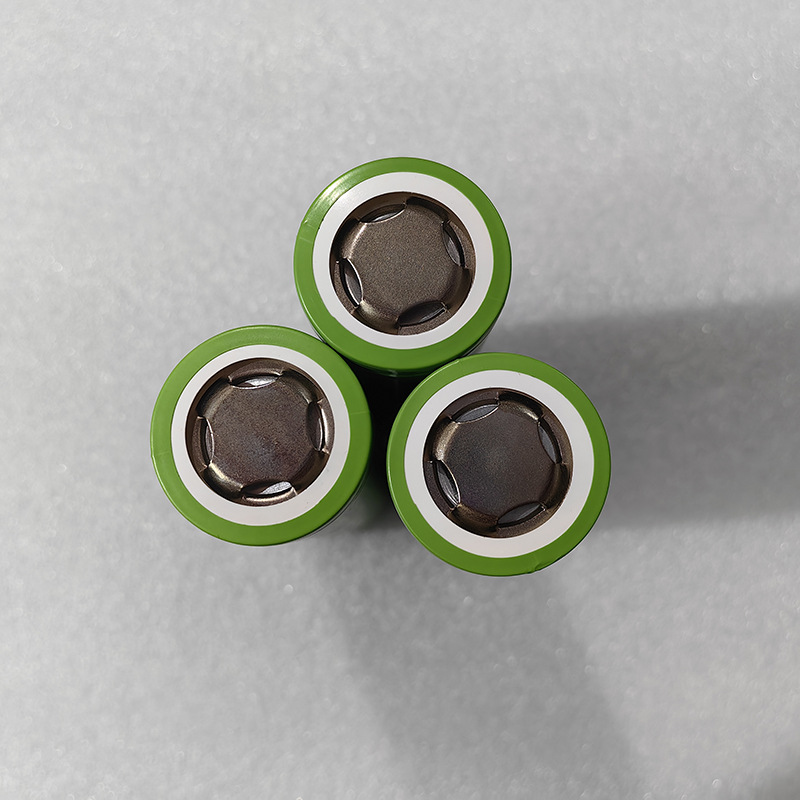
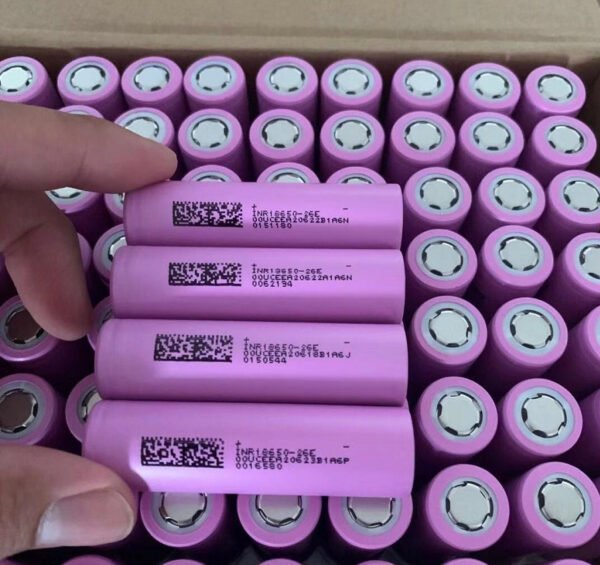
LFP chemistry offers superior thermal stability and cycle life compared to NMC or NCA alternatives, making it ideal for two-wheeler applications where safety and longevity are paramount. The 18650 form factor (18mm diameter, 65mm length) provides standardized integration across battery packs. Key technical parameters include nominal voltage (3.2V), typical capacity range (1.5-2.5Ah), and operating temperature window (-20°C to 60°C).
When reviewing sample test reports, engineers must verify that capacity measurements align with C-rate testing standards. A common discrepancy occurs when suppliers report capacity at 0.2C while actual application demands 1C or higher discharge rates, resulting in 10-15% effective capacity loss under real-world conditions.
Critical Sample Test Report Validation Points
1. Capacity Verification Protocol
Ensure test reports specify discharge C-rate, temperature conditions, and cut-off voltage. LFP cells exhibit flat voltage discharge curves, requiring precise end-voltage definitions (typically 2.5V). Request raw data logs rather than summarized figures to identify potential data manipulation. For comprehensive cylindrical cell specifications, visit https://cnsbattery.com/products-3/cylindrical-battery-cell/ to compare standardized testing parameters.
2. Internal Resistance Consistency
DC internal resistance (DCIR) directly impacts power delivery and heat generation. Acceptable variance across sample batches should not exceed 5%. Higher resistance indicates poor electrode coating uniformity or inadequate electrolyte wetting—common issues in rushed production runs. Test reports must include AC impedance spectroscopy data alongside DCIR for complete electrochemical characterization.
3. Cycle Life Testing Methodology
Many suppliers accelerate cycle testing through elevated temperatures or deeper discharge depths, artificially inflating cycle life claims. Valid LFP 18650 cells should demonstrate 2000+ cycles at 80% depth-of-discharge under 25°C ambient conditions. Request test protocols following IEC 62660 or UN 38.3 standards for credible validation.
4. Thermal Performance Documentation
Electric motorcycle battery packs operate in variable thermal environments. Sample reports must include thermal runaway initiation temperature (typically >270°C for LFP), heat generation rates during high-current discharge, and thermal conductivity measurements. Cells failing thermal imaging validation under 3C continuous discharge pose significant safety risks.
Common Test Report Discrepancies and Solutions
| Discrepancy Type | Root Cause | Correction Action |
|---|---|---|
| Capacity overstatement | Low C-rate testing | Request 1C discharge data |
| Inconsistent IR values | Poor cell sorting | Demand batch-level DCIR distribution |
| Missing safety certifications | Incomplete compliance testing | Verify UN 38.3, CE, UL documentation |
| Cycle life inflation | Accelerated testing conditions | Require real-time cycle data logs |
Supplier Qualification Framework for 2026
When evaluating LFP cylindrical battery suppliers, technical procurers should establish multi-stage validation protocols. Initial sample testing must be followed by pilot batch verification before mass procurement. Geographic supply chain resilience has become equally important—diversifying across multiple manufacturing regions mitigates disruption risks.
For engineers seeking verified Chinese battery manufacturers with proven export compliance, https://cnsbattery.com/battery-manufacturers-in-china/ provides vetted supplier directories with certification documentation. Direct communication channels with technical teams ensure rapid discrepancy resolution during sample evaluation phases.
Implementation Best Practices
- Establish Clear Test Specifications: Define exact testing parameters before sample requests, including C-rates, temperature ranges, and cycle counts.
- Third-Party Verification: Engage independent laboratories for critical validation, especially for safety-critical parameters like thermal runaway thresholds.
- Documentation Trail: Maintain complete test report archives with version control for regulatory compliance and warranty claims.
- Continuous Monitoring: Implement incoming quality control protocols for production batches, comparing against approved sample baselines.
Conclusion
Sample test report accuracy directly correlates with electric motorcycle battery pack reliability and safety. By understanding LFP electrochemical fundamentals, implementing rigorous validation protocols, and partnering with transparent suppliers, engineers can mitigate procurement risks in 2026’s competitive battery market. Technical teams should prioritize suppliers offering comprehensive documentation, third-party certifications, and responsive technical support throughout the evaluation process.
For direct supplier communication and technical consultation regarding LFP 18650 cell specifications, contact qualified manufacturers at https://cnsbattery.com/contact-2/ to initiate sample testing protocols aligned with your electric motorcycle development timeline.