

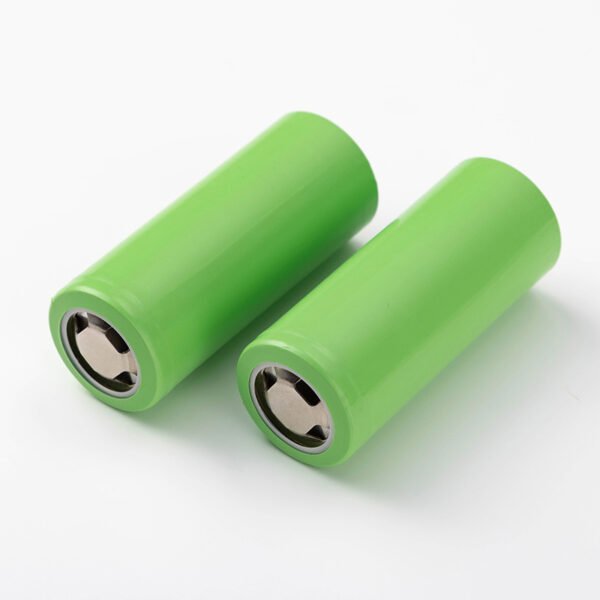
2026 LFP Cylindrical Battery Supplier: Fix OEM Customization in Power Tools Using 18650 Cells OEM Custom Solutions
The power tool industry is undergoing a significant transformation in 2026, with lithium iron phosphate (LFP) cylindrical batteries emerging as the preferred choice for OEM manufacturers seeking reliable, safe, and cost-effective energy solutions. As demand for cordless power tools continues to surge globally, understanding how to leverage 18650 cells for OEM customization has become critical for engineering teams and procurement specialists alike.
Why LFP 18650 Cells Dominate Power Tool Applications in 2026
LFP chemistry offers distinct advantages over traditional NMC or NCA batteries, particularly for power tool applications. The inherent thermal stability of lithium iron phosphate reduces thermal runaway risks, making it ideal for high-drain scenarios common in professional-grade equipment. Additionally, LFP cells deliver extended cycle life—typically 2000-5000 cycles—significantly reducing total cost of ownership for end users.
The 18650 form factor remains industry-standard due to its proven manufacturing infrastructure, consistent quality control, and compatibility with existing battery pack designs. For OEMs, this translates to reduced development timelines and lower tooling investments.
Key OEM Customization Parameters for Power Tool Battery Packs
When partnering with a battery supplier, several technical parameters require careful specification:
Capacity and Discharge Rate: Power tools demand high continuous discharge currents, often exceeding 10C. Custom 18650 LFP cells can be engineered to balance capacity (typically 1500-2000mAh for high-drain applications) with discharge capability.
Thermal Management Integration: OEM packs should incorporate thermal sensors and cooling pathways. Advanced suppliers offer cells with built-in temperature monitoring capabilities.
BMS Compatibility: Custom battery management systems must communicate seamlessly with power tool controllers. Protocol standardization (SMBus, CAN bus) ensures reliable performance across operating conditions.
Mechanical Integration: Cell spacing, welding patterns, and housing dimensions require precise coordination between battery manufacturers and tool designers.
Selecting the Right Battery Manufacturing Partner
Choosing an experienced battery manufacturer is crucial for successful OEM customization. Established suppliers provide comprehensive support from cell selection through final pack validation. For companies seeking reliable manufacturing partners in China, detailed information about qualified battery manufacturers can be found at https://cnsbattery.com/battery-manufacturers-in-china/ which offers insights into production capabilities and quality certifications.
Key evaluation criteria include:
- ISO 9001 and IATF 16949 certifications
- In-house cell testing laboratories
- Traceability systems for quality control
- Flexible MOQ arrangements for prototype development
Technical Considerations for 18650 LFP Cell Integration
Engineers must account for several factors during pack design. Voltage sag under load affects tool performance, requiring careful cell matching and parallel configuration optimization. State-of-charge estimation accuracy improves with proper calibration against actual discharge curves specific to power tool duty cycles.
For detailed specifications on cylindrical battery cells suitable for power tool applications, visit https://cnsbattery.com/products-3/cylindrical-battery-cell/ to explore available options and technical datasheets.
2026 Market Trends Shaping OEM Battery Strategies
Sustainability regulations in Europe and North America are driving demand for recyclable battery chemistries. LFP’s cobalt-free composition aligns with emerging environmental compliance requirements. Additionally, supply chain resilience has become paramount, with OEMs diversifying supplier relationships to mitigate geopolitical risks.
Smart manufacturing integration allows real-time production monitoring, ensuring consistent cell quality across batches. This capability proves essential for maintaining performance standards in professional power tool segments.
Moving Forward with Custom Battery Solutions
Successful OEM customization requires close collaboration between tool manufacturers and battery suppliers throughout the development process. Early engagement during product conception enables optimal cell selection and pack architecture decisions.
For companies ready to initiate OEM battery projects or seeking technical consultation, direct communication with qualified suppliers accelerates development timelines. Contact information and inquiry forms are available at https://cnsbattery.com/contact-2/ for streamlined project initiation.
The 2026 landscape presents significant opportunities for power tool manufacturers leveraging LFP 18650 technology. By prioritizing technical partnerships, maintaining rigorous quality standards, and embracing customization capabilities, OEMs can deliver superior products that meet evolving market demands while ensuring long-term competitiveness in the global power tool sector.


