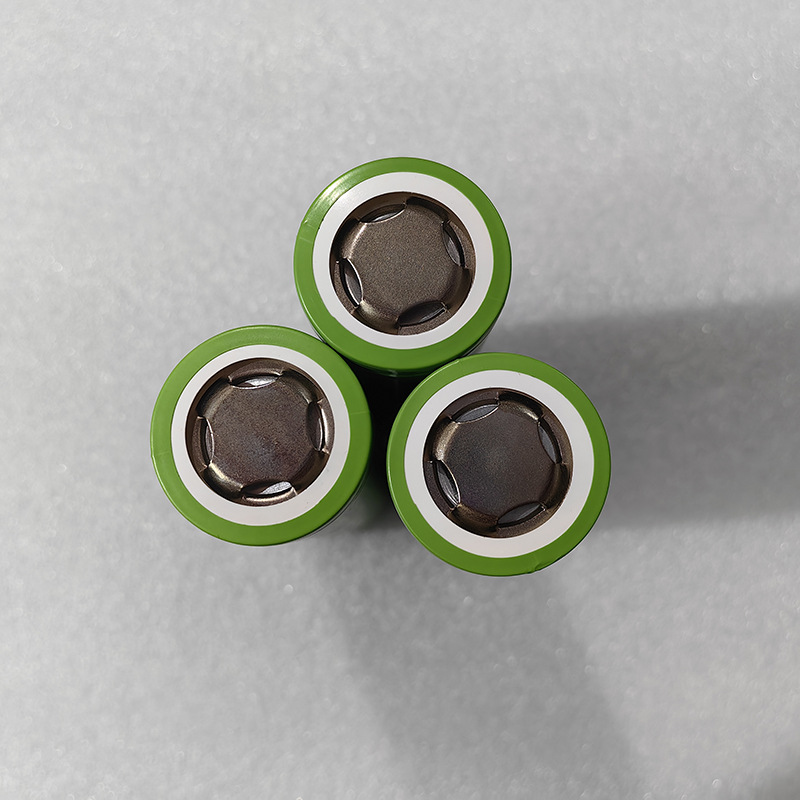
2026 LFP Cylindrical Battery Supplier: Fix Low Self-Discharge in ESS Using 18650 Cells Ideal for Manufacturers
The energy storage system (ESS) landscape in 2026 demands battery solutions that balance safety, longevity, and minimal energy loss. For manufacturers seeking reliable power sources, LFP cylindrical 18650 cells have emerged as the optimal choice for addressing low self-discharge challenges in stationary storage applications. This technical analysis examines why partnering with a qualified battery manufacturers in China supplier is critical for meeting global compliance standards while maximizing ESS performance.
Understanding Self-Discharge Mechanisms in LFP 18650 Cells
Self-discharge remains a critical parameter affecting ESS efficiency over extended idle periods. Lithium Iron Phosphate (LFP) chemistry inherently offers superior stability compared to NCM alternatives, with typical monthly self-discharge rates ranging from 1-3% at 25°C ambient conditions. The cylindrical 18650 form factor—measuring 18mm diameter and 65mm length—provides excellent thermal dissipation characteristics essential for large-scale battery pack configurations.
The fundamental electrochemical processes contributing to self-discharge include:
- SEI layer decomposition at the anode-electrolyte interface
- Electrolyte oxidation at elevated temperatures
- Internal micro-short circuits from manufacturing defects
- Transition metal dissolution affecting cathode stability
Premium LFP 18650 cells from certified suppliers minimize these degradation pathways through advanced coating technologies and precision manufacturing controls.
Key Technical Parameters for ESS Applications
When evaluating cylindrical battery cells for energy storage systems, manufacturers must prioritize specific performance metrics:
| Parameter | Standard Specification | Premium Grade |
|---|---|---|
| Nominal Capacity | 2000-2500mAh | 2600-3000mAh |
| Self-Discharge Rate | ≤3%/month | ≤1.5%/month |
| Cycle Life (@80% DOD) | 3000 cycles | 5000+ cycles |
| Operating Temperature | -20°C to 60°C | -30°C to 65°C |
| Internal Resistance | ≤35mΩ | ≤25mΩ |
For detailed product specifications, explore our cylindrical battery cell portfolio designed specifically for ESS integration.
Testing Methodologies for Self-Discharge Validation
Reliable suppliers implement comprehensive testing protocols aligned with international standards:
1. IEC 62619 Compliance Testing
- 28-day open-circuit voltage monitoring at 25°C
- Capacity retention measurement after storage periods
- Thermal stability assessment under accelerated aging conditions
2. UL 1973 Safety Certification
- Abnormal operation testing including overcharge scenarios
- External short-circuit performance validation
- Crush and impact resistance evaluation
3. Custom ESS-Specific Protocols
- Pack-level self-discharge measurement over 90-day intervals
- BMS integration compatibility verification
- Temperature cycling from -20°C to 55°C with capacity tracking
Manufacturers should request complete test reports documenting compliance with these methodologies before finalizing supplier agreements.
Geographic Compliance and Regional Adaptation
The 2026 regulatory environment presents distinct challenges for battery exporters targeting different markets:
European Union Compliance
The EU Battery Regulation enters full enforcement in 2026, requiring:
- Battery Passport implementation for all industrial batteries exceeding 2kWh capacity
- Carbon footprint declaration throughout the manufacturing lifecycle
- Recycled content minimums (12% cobalt, 4% lithium, 4% nickel by 2030)
- CE marking with complete technical documentation
United States Standards
North American markets demand:
- UL 1973 certification for stationary energy storage applications
- UL 9540A testing for thermal runaway propagation
- State-specific requirements (California Title 24, New York Energy Storage Safety Program)
Asia-Pacific Considerations
- Japan: PSE certification mandatory for consumer and industrial applications
- Australia: AS/NZS 3000 electrical installation standards
- Southeast Asia: Varying CE/GS recognition depending on individual country regulations
Selecting a supplier with multi-regional certification capabilities eliminates costly redesign cycles and accelerates market entry. Established manufacturers maintain production facilities with ISO 9001, ISO 14001, and IATF 16949 certifications, ensuring consistent quality across global shipments.
Strategic Supplier Selection Criteria
For manufacturers evaluating LFP cylindrical battery partners in 2026, consider these essential factors:
- Certification Portfolio: Verify UL, CE, UN38.3, and IEC documentation validity
- Production Capacity: Minimum 50MWh annual output for reliable supply continuity
- Technical Support: In-house engineering team for custom pack design assistance
- Traceability Systems: Batch-level tracking for quality control and recall management
- Warranty Terms: Minimum 5-year performance guarantee with capacity retention commitments
Contact qualified suppliers directly through official contact channels to request samples, technical datasheets, and compliance documentation before proceeding with procurement decisions.
Conclusion
The convergence of stringent global regulations and evolving ESS performance requirements makes supplier selection more critical than ever. LFP 18650 cylindrical cells offer the optimal balance of safety, cycle life, and low self-discharge characteristics for stationary storage applications. By partnering with certified manufacturers who maintain comprehensive geographic compliance capabilities, ESS integrators can confidently deploy systems meeting EU Battery Regulation, UL standards, and regional requirements without costly redesign iterations.
For manufacturers prioritizing long-term reliability and regulatory compliance, investing in premium LFP cylindrical battery solutions from qualified suppliers represents a strategic advantage in the rapidly expanding 2026 energy storage market.