

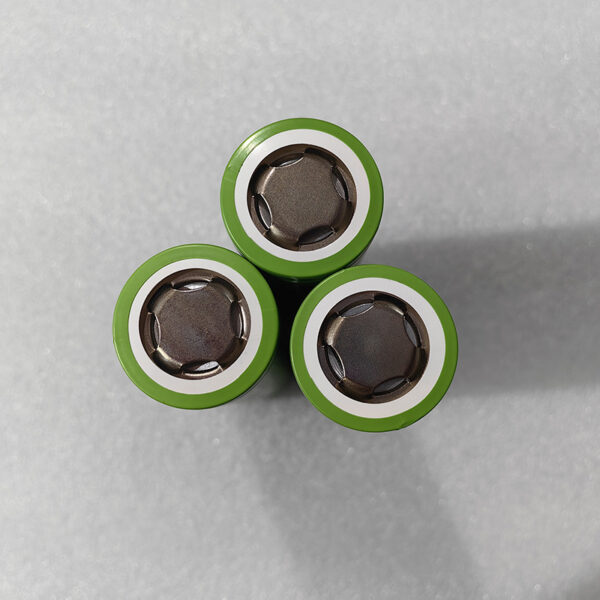
2026 LFP Cylindrical Battery Supplier: Fix High Discharge Rate in EV Using 18650 Cells 2026 Buyer’s Guide
As we navigate through 2026, the electric vehicle (EV) landscape continues to evolve, with Lithium Iron Phosphate (LFP) chemistry solidifying its position as the cornerstone for cost-effective and safe energy storage. While prismatic cells dominate large-scale automotive packs, the 18650 cylindrical form factor remains critical for light EVs, high-performance e-mobility modules, and auxiliary power units. However, a persistent technical challenge for B2B buyers remains: optimizing high discharge rates in 18650 LFP cells without compromising thermal stability or cycle life. This guide provides a practical framework for sourcing and implementing these cells in 2026.
The 2026 Market Context: Why 18650 LFP?
In 2026, supply chain resilience is as valuable as performance. The 18650 cylindrical cell offers modularity and mechanical robustness that simplifies pack assembly. Unlike larger formats, 18650 cells distribute heat more effectively across a pack, which is vital when managing high discharge currents. LFP chemistry is preferred for its inherent safety—resistance to thermal runaway—and lower cost due to the absence of cobalt and nickel.
However, standard LFP cells often struggle with high C-rate discharges required for acceleration or steep incline climbing in light EVs. Traditional LFP cathodes have lower electronic conductivity compared to NCM counterparts. To fix high discharge rate issues, manufacturers have adopted advanced doping techniques and nano-coated cathode materials in 2026 production lines. When sourcing, buyers must verify that the supplier utilizes these updated chemistries designed specifically for power applications rather than energy-only storage.
Technical Solutions for High Discharge Rates
Fixing high discharge limitations in 18650 LFP cells involves a multi-layered approach involving cell design and Battery Management System (BMS) integration.
- Electrode Optimization: High-power 18650 cells utilize thinner electrodes to reduce internal resistance. This allows lithium ions to move faster during high current draws. Buyers should request technical datasheets highlighting internal impedance values; in 2026, premium high-discharge 18650 LFP cells should exhibit impedance below 30mΩ.
- Thermal Management: High discharge generates heat. Even with LFP’s stability, excessive heat accelerates degradation. Effective pack design must ensure airflow or liquid cooling around the cylindrical cells. Sourcing cells with consistent dimensional tolerances is crucial for thermal pad contact.
- BMS Calibration: The BMS must be calibrated to the specific voltage curve of LFP chemistry, which is flatter than NCM. For high discharge, the BMS should implement dynamic current limiting based on real-time temperature readings to prevent voltage sag from triggering premature cut-offs.
2026 Buyer’s Guide: Procurement Essentials
For overseas B2B buyers, selecting the right supplier is critical. The market is saturated, but only specialized manufacturers can deliver consistent high-discharge performance. Here are the key procurement points for 2026:
1. Compliance and Certification
Regulatory standards have tightened. Ensure cells comply with UN38.3 for transportation, IEC 62133 for safety, and specific regional standards like UL or CE. In 2026, carbon footprint tracking is also becoming mandatory for EU imports. Verify that the manufacturer provides battery passports detailing the origin of materials and production emissions.
2. Performance Verification
Do not rely solely on nominal capacity. For high discharge applications, request pulse discharge test reports. A reliable 18650 LFP cell should sustain 3C continuous discharge and 5C pulse discharge without exceeding 60°C surface temperature. Consistency is key; ask for batch consistency data regarding capacity and internal resistance.
3. Supply Chain Transparency
Geopolitical shifts require diversified sourcing. China remains the hub for battery manufacturing, offering mature supply chains and cost advantages. However, buyers must partner with manufacturers who have established logistics channels to avoid delays. Engaging with verified battery manufacturers in China ensures access to scalable production capacities that meet 2026 demand spikes.
Case Study: Light EV Module Upgrade
A European micro-mobility manufacturer recently faced issues with voltage sag during peak load in their delivery scooters. They switched from standard energy-grade 18650 cells to high-power LFP variants. By partnering with a specialized supplier offering cells with optimized electrolyte formulas for high conductivity, they reduced internal resistance by 15%. The result was a 20% improvement in acceleration performance and extended cycle life due to reduced thermal stress. This underscores the importance of selecting the right cell grade for the application.
Selecting the Right Partner
Navigating the supplier landscape requires due diligence. Look for manufacturers with dedicated R&D teams focused on cylindrical cell chemistry. They should offer customization options for tab positioning and capacity grading. A reliable partner will not just sell cells but provide technical support for pack integration.
For detailed specifications on high-discharge cylindrical cells suitable for 2026 EV applications, explore our comprehensive cylindrical battery cell catalog. This resource provides technical parameters aligned with current industry standards for power-oriented LFP cells.
Conclusion
The demand for high-discharge 18650 LFP cells in 2026 is driven by the need for safe, cost-effective, and powerful EV solutions. By focusing on electrode technology, thermal management, and rigorous supplier vetting, B2B buyers can overcome discharge rate limitations. Success lies in partnering with manufacturers who prioritize quality control and compliance.
To discuss your specific project requirements or request samples for testing, please reach out through our contact page. Ensuring your supply chain is equipped with high-performance 18650 LFP cells today will secure your product’s competitiveness in the evolving electric mobility market of 2026 and beyond.

