

2026 LFP Cylindrical Battery Supplier: Fix Factory Audit IATF16949 in Industrial AGV Using 18650 Cells Ultimate Guide
Introduction: The Critical Intersection of Battery Technology and Quality Certification
As we advance into 2026, the industrial Automated Guided Vehicle (AGV) sector faces unprecedented demands for reliable, safe, and long-lasting power solutions. Lithium Iron Phosphate (LFP) cylindrical batteries, particularly the standardized 18650 cell format, have emerged as the preferred choice for industrial mobility applications. However, selecting the right supplier goes beyond technical specifications—it requires rigorous factory audit verification under IATF16949 quality management standards. This comprehensive guide addresses the essential considerations for technical purchasers and engineers evaluating LFP cylindrical battery suppliers for AGV deployments.
Understanding IATF16949 Certification: The Automotive-Grade Quality Benchmark
IATF16949 represents the global automotive industry’s gold standard for quality management systems. Originally developed by the International Automotive Task Force, this certification has become increasingly critical for battery manufacturers serving industrial vehicle applications. The certification encompasses five core requirements:
1. Process Control and Traceability
Every 18650 LFP cell must maintain complete traceability from raw material sourcing through final assembly. This includes electrode coating consistency, electrolyte filling precision, and formation cycling parameters. For AGV applications requiring 5,000+ cycle life, process control directly impacts long-term reliability.
2. Risk Management Through FMEA
Failure Mode and Effects Analysis (FMEA) must identify potential failure points in cell manufacturing. Common risks include separator defects, weld integrity issues, and electrolyte contamination. IATF16949-compliant facilities maintain documented mitigation strategies for each identified risk.
3. Continuous Improvement Metrics
Certified manufacturers demonstrate measurable improvement in defect rates, typically targeting below 500 PPM (parts per million) for automotive-grade cells. This metric proves critical when deploying battery packs containing hundreds of 18650 cells in series-parallel configurations.
4. Supplier Quality Management
IATF16949 requires tier-1 battery manufacturers to audit their raw material suppliers, ensuring cathode materials, anode graphite, separators, and electrolytes meet specified purity standards. LFP cathode material consistency directly affects cell voltage stability and thermal performance.
5. Customer-Specific Requirements
AGV manufacturers often impose additional specifications beyond standard IATF16949 requirements, including custom BMS communication protocols, specific discharge profiles, and environmental testing parameters.
Technical Deep-Dive: LFP 18650 Cell Characteristics for AGV Applications
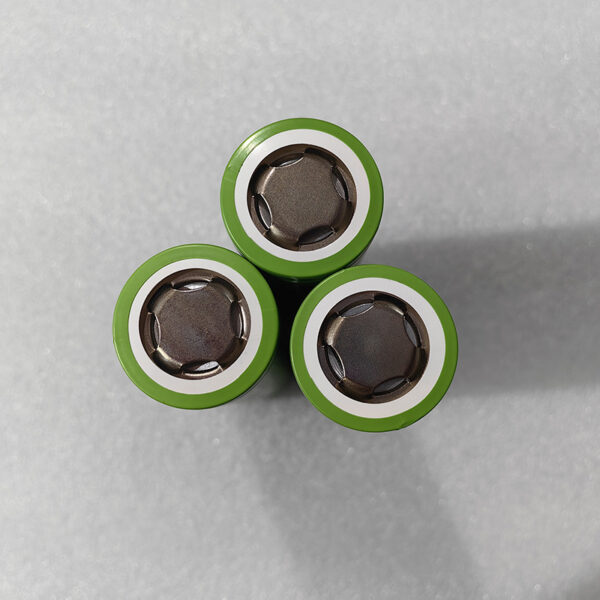
The 18650 cylindrical format (18mm diameter × 65mm length) offers distinct advantages for industrial AGV battery pack design:
Energy Density and Capacity
Modern LFP 18650 cells typically deliver 1,400-1,600mAh capacity at 3.2V nominal voltage. While lower than NMC chemistry, LFP provides superior thermal stability—critical for 24/7 AGV operations in varying warehouse temperatures.
Cycle Life Performance
Quality LFP 18650 cells achieve 3,000-5,000 full discharge cycles at 80% depth of discharge (DOD). For AGV applications with opportunity charging, this translates to 8-10 years of operational life, significantly reducing total cost of ownership.
Thermal Management Advantages
LFP chemistry exhibits minimal thermal runaway risk compared to ternary lithium alternatives. The olivine crystal structure of LiFePO4 remains stable up to 270°C, providing inherent safety for high-density battery packs without complex cooling systems.
Internal Resistance Considerations
Typical 18650 LFP cells maintain 30-40mΩ internal resistance, enabling continuous discharge rates of 3-5C. AGV applications requiring high acceleration or incline climbing benefit from lower resistance cells, though this may impact capacity specifications.
Factory Audit Checklist: Essential Verification Points for 2026
When evaluating potential LFP cylindrical battery suppliers, technical purchasers should verify these critical audit points:
Manufacturing Environment Control
- Clean room classification (minimum ISO Class 8 for electrode processing)
- Humidity control below 1% dew point during cell assembly
- Temperature stability within ±2°C for formation cycling
Testing Infrastructure
- Automated cell sorting by capacity and internal resistance
- X-ray inspection for weld quality verification
- Environmental testing chambers simulating -20°C to +60°C operation
Documentation Systems
- Complete batch records with unique serial number tracking
- Certificate of Analysis for each production lot
- Third-party test reports from recognized laboratories (UL, TÜV, SGS)
Regulatory Compliance
- UN38.3 transportation certification
- EU Battery Regulation 2026 compliance (Battery Passport readiness)
- RoHS and REACH material declarations
For comprehensive supplier verification and direct manufacturer engagement, visit https://cnsbattery.com/battery-manufacturers-in-china/ to access pre-vetted production facilities with documented IATF16949 certification status.
BMS Integration and Pack Design Considerations
Successful AGV battery deployment requires more than quality cells—it demands intelligent system integration:
Cell Balancing Requirements
18650 LFP cells exhibit flat discharge curves between 20%-80% state of charge, making accurate SOC estimation challenging. Active balancing circuits maintain cell voltage variance below 50mV across series strings, preventing premature pack degradation.
Communication Protocols
Modern AGV systems require CAN bus or RS485 communication for real-time battery status monitoring. IATF16949-certified suppliers provide documented communication specifications and support integration testing.
Thermal Monitoring
Distributed temperature sensors throughout the battery pack detect hot spots before they impact performance. LFP chemistry’s thermal stability reduces monitoring frequency requirements compared to NMC alternatives.
Conclusion: Making the Right Supplier Partnership Decision
Selecting an LFP cylindrical battery supplier for industrial AGV applications requires balancing technical specifications, quality certification, and long-term support capabilities. IATF16949 certification provides the foundation for consistent quality, but comprehensive factory audits reveal the operational excellence separating tier-1 manufacturers from commodity suppliers.
For detailed product specifications on 18650 LFP cylindrical cells suitable for AGV applications, explore https://cnsbattery.com/products-3/cylindrical-battery-cell/ to review capacity options, discharge ratings, and certification documentation.
Technical teams requiring customized battery pack solutions or factory audit scheduling should initiate direct communication through https://cnsbattery.com/contact-2/ for engineering support and compliance verification assistance.
As 2026 brings stricter global battery regulations including the EU Battery Passport requirements, partnering with IATF16949-certified manufacturers ensures your AGV fleet maintains compliance while delivering reliable performance throughout its operational lifecycle. The investment in quality verification today prevents costly recalls and downtime tomorrow—making supplier selection one of the most critical decisions in your AGV deployment strategy.

